Business
Kratos wins $100 million sole-source space surveillance contract
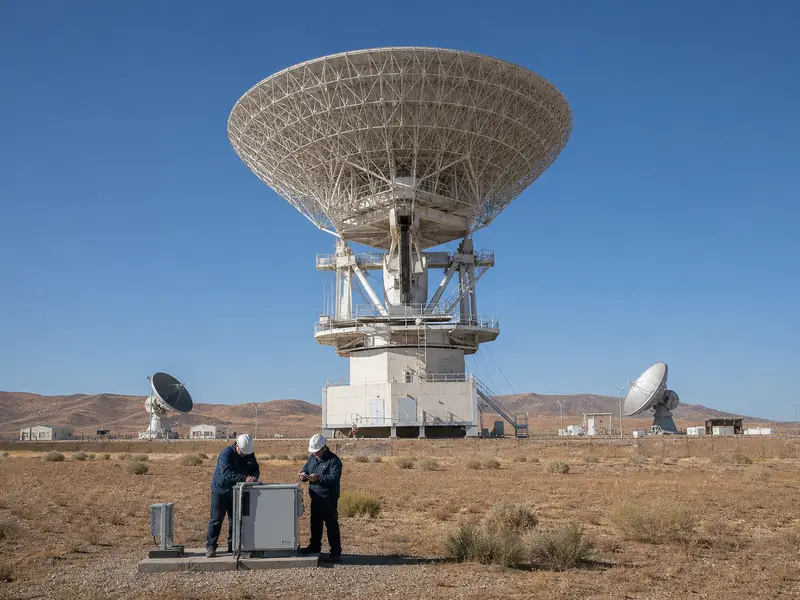
Kratos received an approximate $100 million sole-source prime award for a ground-based space domain awareness system, adding to its defense backlog.
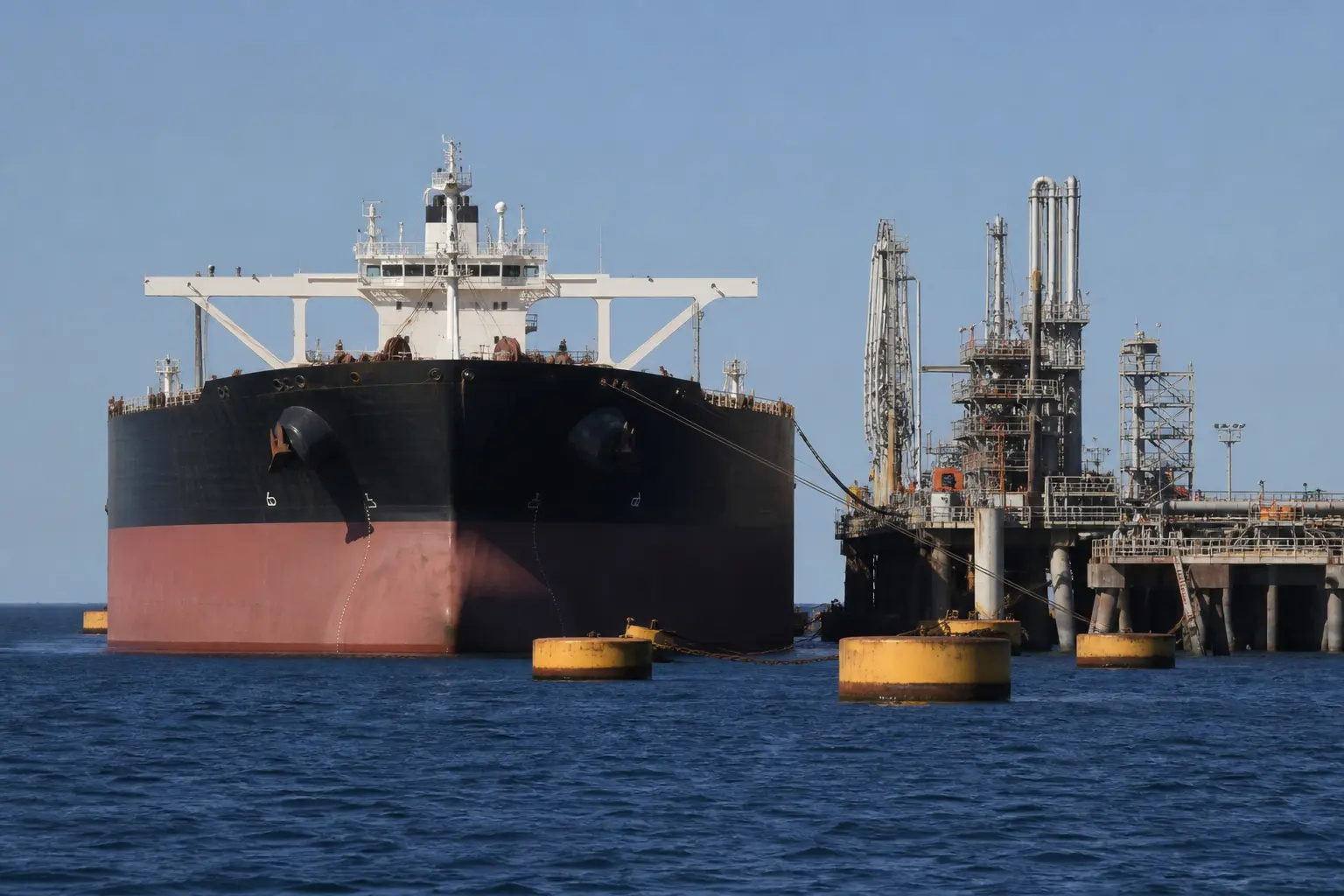
Iraq's state oil marketer SOMO has offered unusually deep discounts on August-loading Basrah crude for cargoes lifted from facilities inside the Strait of Hormuz, according to a document reviewed by Reuters, a rare move that shows the cost of moving Gulf oil through a high-risk corridor.
The offer applies to term buyers of Basrah Medium and Basrah Heavy on a free-on-board basis from the Basrah Oil Terminal, Iraq's single-point moorings and related offshore facilities. Reuters reported on Aug. 3 that SOMO offered discounts of $25 to $27 a barrel for Basrah Medium, depending on the loading window, and $27.80 to $29.80 a barrel for Basrah Heavy.
The scale of the discounts stands out because SOMO separately raised or improved most of its August official selling price differentials for standard exports to Asia, Europe and the Americas. For Asia, Basrah Medium was set at a premium of $1.35 a barrel to Oman/Dubai for August, up from $0.30 in July, while Basrah Heavy was set at a discount of $1.70, improved from a $2.70 discount in July. Europe and Americas pricing also showed firmer or only modestly weaker formula levels.
That leaves a wide gap between Iraq's published formula prices and the levels it is prepared to accept for barrels that require buyers to load and transit from inside Hormuz. The structure is a direct market signal of the extra compensation buyers want for security risk, insurance and freight exposure.
War-risk costs in the region have risen sharply this year. Marsh's global head of marine, cargo and logistics told Platts in July that additional war-risk premiums in Middle East waters had climbed from 1% to 3% of hull value weeks earlier to 7.5% to 10%. Other insurance estimates have also pointed to a sharp increase in per-voyage costs for ships transiting high-risk areas around Hormuz.
The August offer follows earlier discounting by SOMO. Reuters reported in May that Iraq offered May-loading Basrah Medium at a discount of $33.40 a barrel, equating to $26 a barrel below the official selling price for certain loading windows inside Hormuz. Market reports on July cargoes also showed sizable but smaller discounts than the latest August terms. The pattern suggests Iraq is continuing to use price to keep southern exports moving when buyers demand compensation for Gulf transit exposure.
For the broader oil market, the move could weigh on regional sour crude differentials if discounted Basrah barrels are absorbed into Asian trade flows and compete more aggressively with other Middle Eastern grades. Iraq prices Basrah crude against Oman/Dubai in Asia, dated Brent in Europe and the Argus Sour Crude Index in the Americas, so large deviations from standard formulas can affect how traders read benchmark relationships.
The discounts are also large relative to estimates for the broader geopolitical premium in oil. Goldman Sachs has estimated that traders have demanded about $14 a barrel more for oil to compensate for conflict-related risk. SOMO's discounts are materially larger, which suggests the company is covering not only headline war-risk costs but also buyer reluctance and the possibility of further disruption.
SOMO is not publicly listed, and there is no public disclosure yet on how many August cargoes will load on these terms. The offer gives the market a clear price marker for Hormuz exposure as Gulf transit risk takes a larger role in physical crude pricing.
Get trusted financial analysis, breaking market news, and expert commentary delivered directly to your inbox every morning.