Business
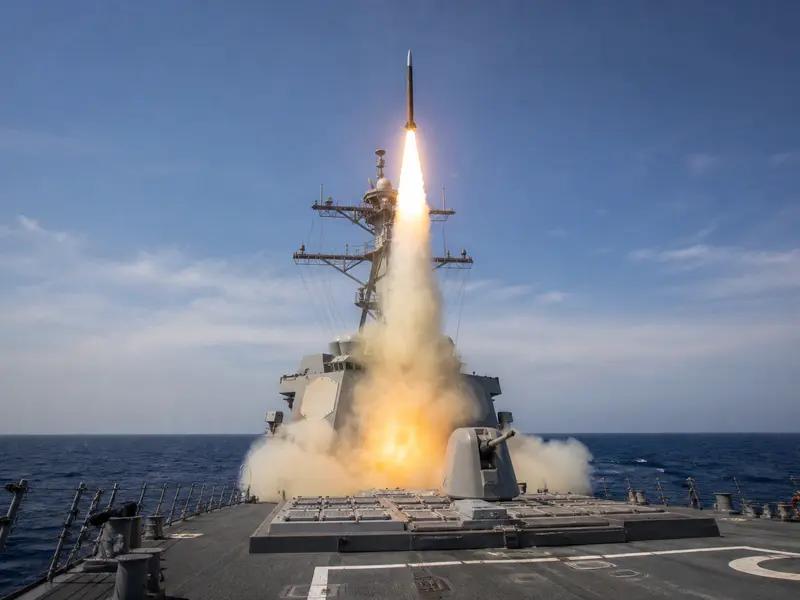
Raytheon Wins $745 Million MDA Contract for SM-3 IIA Interceptors
Raytheon, an RTX business, won a $745 million Missile Defense Agency contract for SM-3 IIA interceptor production and sustainment through 2031.
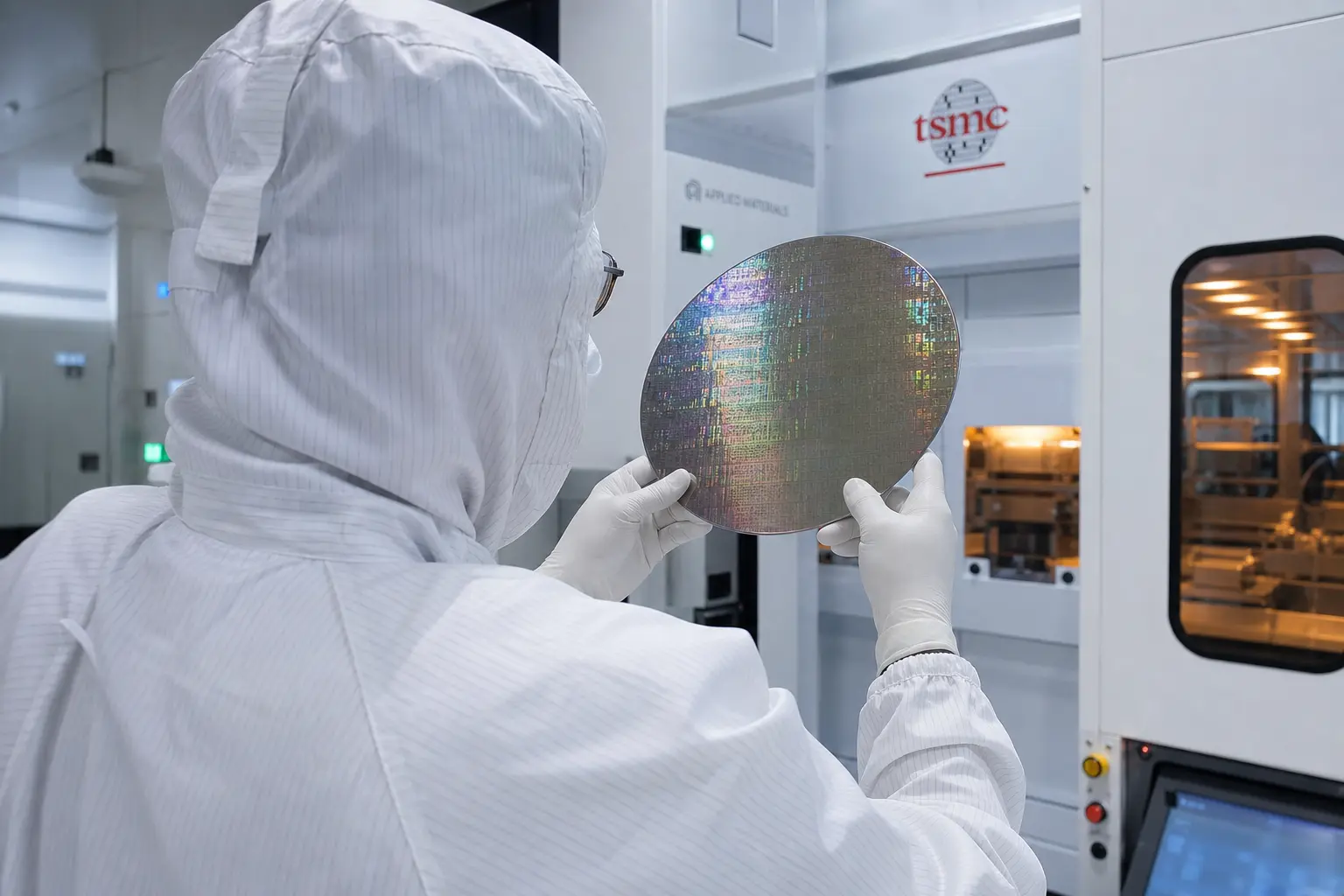
Taiwan Semiconductor Manufacturing Co. (NYSE: TSM) raised its full-year 2026 revenue and capital-spending outlook after reporting stronger demand from AI and data-center customers.
The company said it now expects full-year revenue to grow by more than 30% in U.S.-dollar terms, up from prior guidance of close to 30%. It also said 2026 capital expenditure would total $52 billion to $56 billion, with reporting on the earnings update indicating spending was moving toward the upper end of that range.
The revision followed a strong first quarter. Reports on the quarter said revenue rose about 35% from a year earlier, supported by sustained orders for AI accelerators and data-center processors. TSMC is a manufacturing partner for many of the industry's largest chip designers, including Nvidia, making its order book a closely watched gauge of AI infrastructure spending.
As the dominant contract manufacturer for advanced chips, TSMC sits at the center of the AI hardware supply chain. A higher spending plan suggests customers are still placing enough demand on leading-edge production to justify more fabrication investment, a positive read-through for semiconductor equipment makers, advanced packaging suppliers and companies that rely on access to cutting-edge capacity.
The company attributed the improved outlook to AI and data-center chip demand. Investors have been testing whether the recent surge in AI-related spending is broadening into durable production demand or remains concentrated in a narrow set of end markets. TSMC's forecast revision suggests the demand is still flowing through to wafer starts and fab investment.
The spending outlook shows how capital intensive the current semiconductor cycle has become. Large AI chips are typically produced on the most advanced process nodes, where fabrication costs are highest and capacity additions require sustained spending on lithography, clean-room expansion and manufacturing tools. When TSMC increases its capex plan, the effect often extends across the equipment and materials chain.
The update also gives investors a check on semiconductor demand after debate over whether AI-related orders were running ahead of real deployment. TSMC's guidance reflects booked manufacturing demand rather than product roadmaps.
The timing of the spending outlook needs care. Separate reporting later in 2026 referenced a higher capex forecast range of $60 billion to $64 billion, but that was a later update, distinct from the April guidance change tied to this report.
Get trusted financial analysis, breaking market news, and expert commentary delivered directly to your inbox every morning.