Business
Northrop Grumman Signs $3 Billion Missile Defense Production Frameworks
Northrop Grumman signed two seven-year framework agreements worth more than $3 billion to expand PAC-3 MSE and THAAD missile component production.
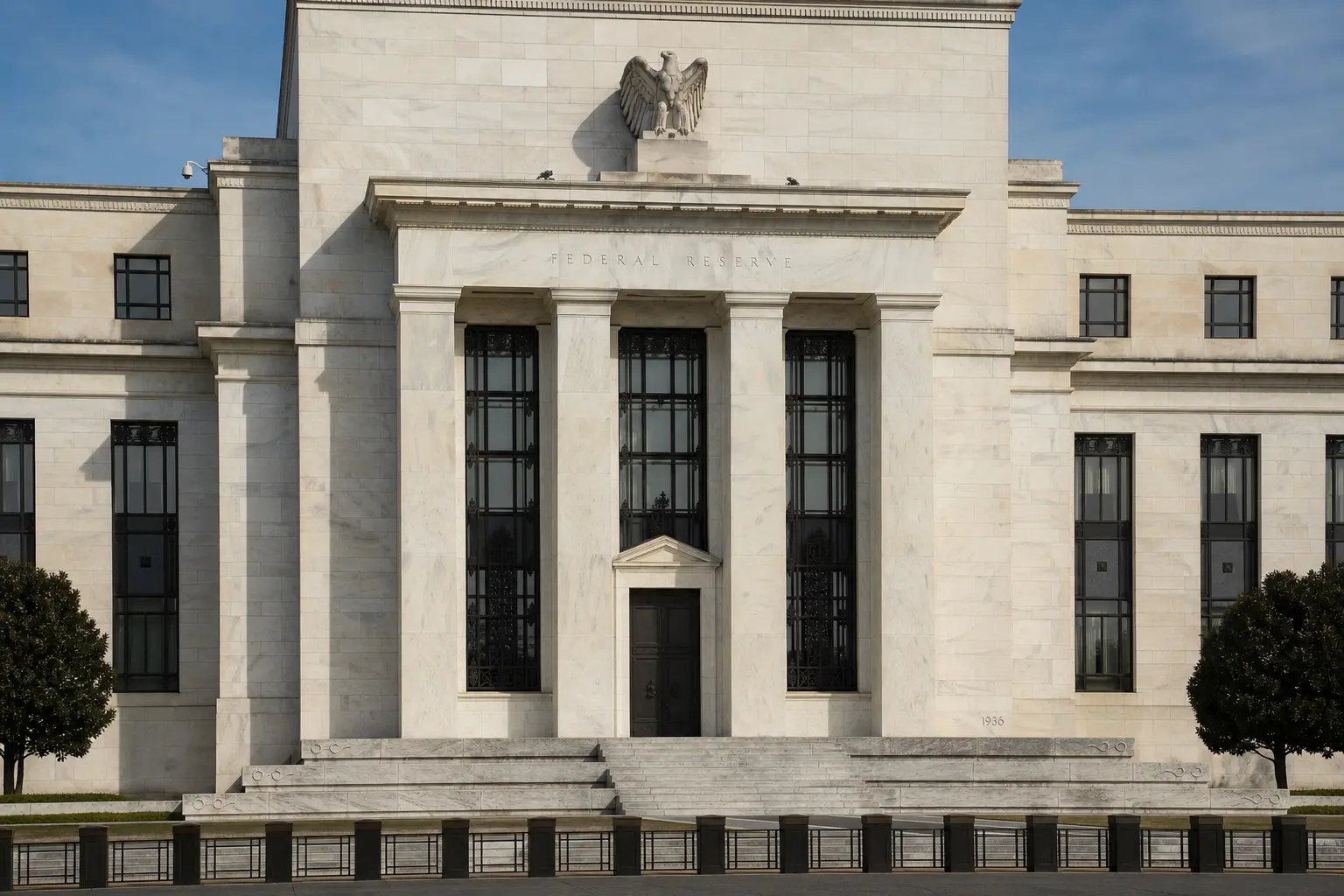
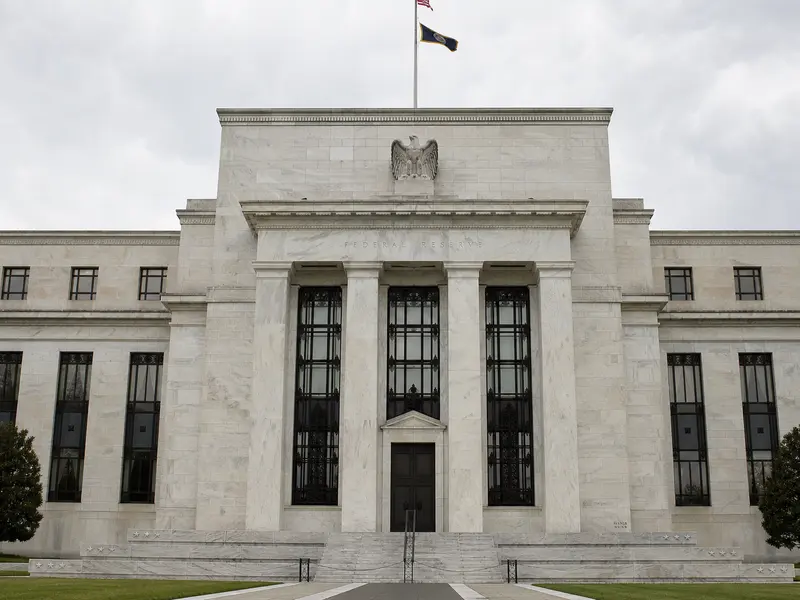
The Federal Reserve left its federal funds target range unchanged at 3.50% to 3.75% last week, extending its policy hold for a fifth consecutive meeting even as U.S. growth has cooled from earlier in the year.
The July 28-29 decision came on a 9-3 vote. Cleveland Fed President Beth Hammack, Minneapolis Fed President Neel Kashkari and Dallas Fed President Lorie Logan dissented in favor of a 25 basis point increase. The split points to hawkish pressure inside the Fed at a time when investors had leaned toward a soft-landing view and expected the next move to be lower, not higher.
For markets, the message was direct: rate cuts remain distant, policy is still restrictive in real terms, and bond and equity valuations need to reflect that.
The Fed has kept the target range unchanged since its December 2025 cut to 3.50% to 3.75%. The latest decision was the second under Chair Kevin Warsh, whose early tenure has featured a restrained communication style and less explicit guidance on the path of rates.
The stance reflects an economy that has slowed from earlier solid readings but has not weakened enough to force easier policy. Recent Fed-linked commentary has continued to describe inflation as elevated, with activity solid and unemployment stable. That has allowed policymakers to hold rates steady while keeping a tightening bias, even without another increase.
The dissents matter because they show the internal debate is becoming less settled. Earlier in 2026, the committee's hold votes drew narrower opposition. Three hawkish dissents indicate some policymakers believe current settings may no longer be restrictive enough to finish the inflation fight.
That is a tougher setup for investors who expected weaker growth to pull yields lower and reopen the case for longer-duration bonds and higher-risk assets. If inflation stays above target and the labor market holds up, the Fed can keep overnight rates where they are for longer. If price pressures firm again, the dissent pattern suggests another hike cannot be ruled out.
Higher real yields are the clearest market consequence. With policy rates unchanged and inflation still above the Fed's 2% target but below prior peaks, real policy settings remain firmly positive. That tends to support front-end and intermediate Treasury yields, weigh on long-duration equity valuations, and tighten conditions for weaker corporate borrowers.
Slower second-quarter growth has not produced a dovish pivot. Instead, investors face a Fed that is on hold, internally divided and reluctant to pre-commit to easing.
That leaves markets more sensitive to incoming inflation, payrolls and activity data ahead of the next meeting. The pause is intact. The assumption that it leads to cuts looks less secure.
Get trusted financial analysis, breaking market news, and expert commentary delivered directly to your inbox every morning.