Business
Raytheon Wins $745 Million MDA Contract for SM-3 IIA Interceptors
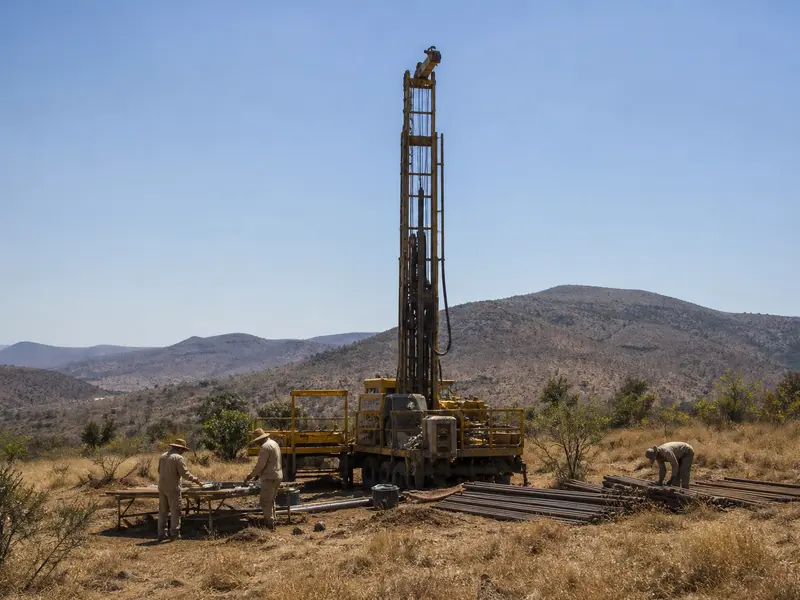
Raytheon, an RTX business, won a $745 million Missile Defense Agency contract for SM-3 IIA interceptor production and sustainment through 2031.
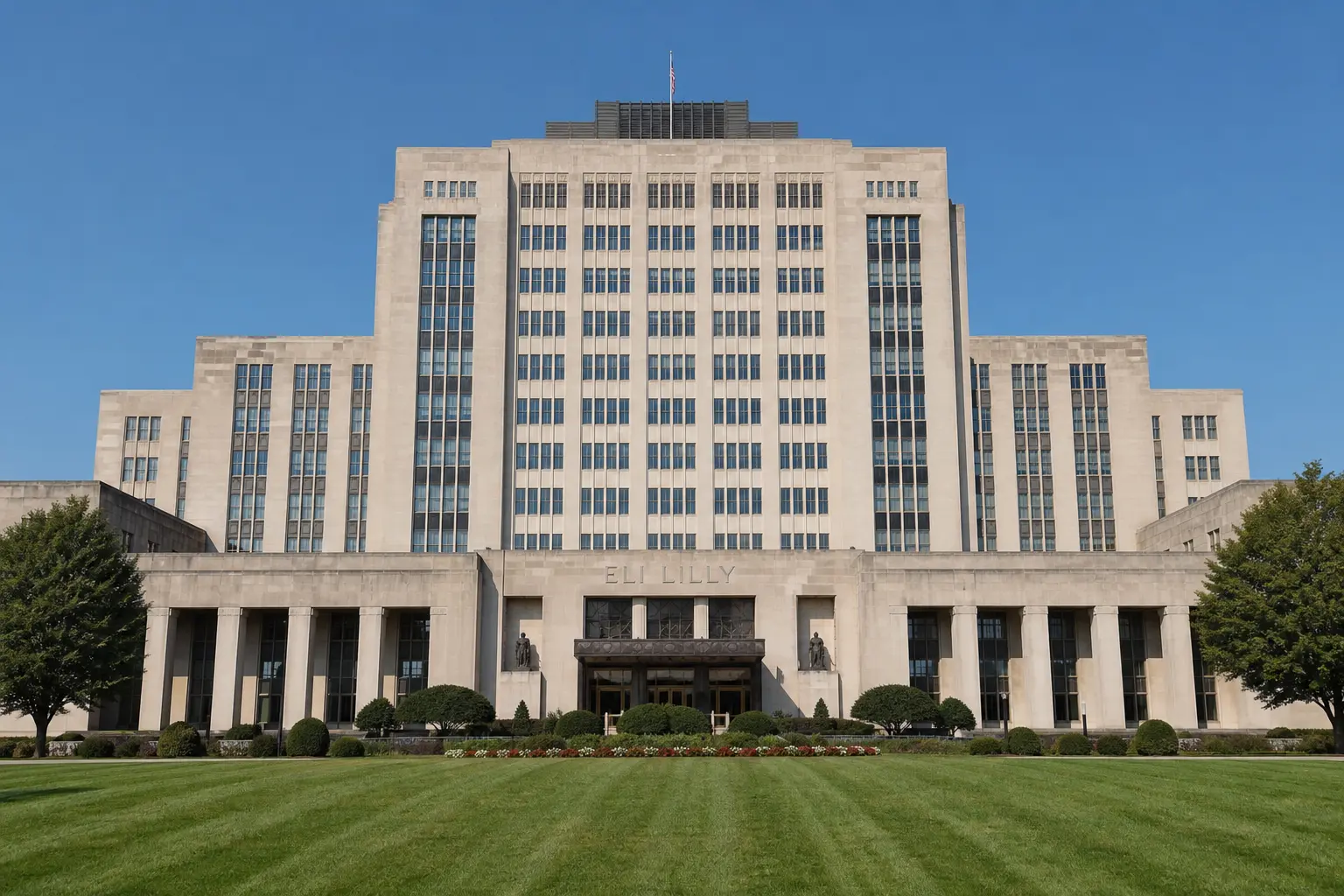
Eli Lilly and Company (NYSE: LLY) said it will acquire AtaiBeckley in a transaction worth up to $3.8 billion, adding late-stage psychedelic-based depression assets to its neuroscience pipeline.
The deal includes $2.8 billion in cash at closing and up to $1.0 billion in contingent milestone payments tied to development, regulatory and commercialization targets. AtaiBeckley shareholders will receive $6.75 a share in cash plus contingent value rights worth up to $2.50 a share, for total potential consideration of $9.25 a share.
The cash portion represents a roughly 26% premium to AtaiBeckley's July 15 closing price of $5.36 and about a 40% premium to the company's 30-day volume-weighted average price through that date, Lilly said. The companies expect the deal to close in the third quarter of 2026, subject to shareholder approval and regulatory clearances.
AtaiBeckley shares rose more than 30% after the announcement. The stock later traded above the $6.75 cash consideration, an indication investors were assigning value to the CVRs and to the chance that some milestones will be met. Lilly shares were modestly higher.
The acquisition centers on two pipeline assets. The lead program, BPL-003, is an intranasal 5-MeO-DMT-based candidate being developed for treatment-resistant depression. A second program, VLS-01, is a DMT buccal film for mental health indications. The contingent payments are tied to milestones for both drugs, including the start of Phase 3 trials for VLS-01 and potential U.S. approval and rescheduling outcomes for the two programs.
AtaiBeckley's therapies are designed to restore synaptic connectivity and promote the growth of new neural connections, a mechanism distinct from conventional antidepressants, Lilly said.
The structure lets Lilly pay for late-stage optionality while limiting some upfront risk in an area that still carries clinical and regulatory uncertainty. Psychedelic compounds remain subject to controlled-substance rules, and parts of the earnout depend not only on trial success but also on U.S. regulatory approval and rescheduling.
The transaction is the largest reported deal yet in psychedelic medicine, exceeding the prior benchmark set by AbbVie's agreement around Gilgamesh Pharmaceuticals assets, which carried a total potential value of up to $1.2 billion. That gap points to larger drugmakers placing higher valuations on psychiatric programs that have moved closer to late-stage development.
For Lilly, the purchase extends a broader acquisition run and adds exposure to treatment-resistant depression, a large market where existing therapies often have delayed onset or limited efficacy in harder-to-treat patients. For the sector, it provides a fresh valuation marker for developers working on DMT, 5-MeO-DMT, psilocybin and related compounds.
The outcome still depends on execution. Initial Phase 3 results for BPL-003 are not expected until 2029, and the CVR structure ties how much of the headline value is realized to trial outcomes and regulatory decisions.
Get trusted financial analysis, breaking market news, and expert commentary delivered directly to your inbox every morning.