Business
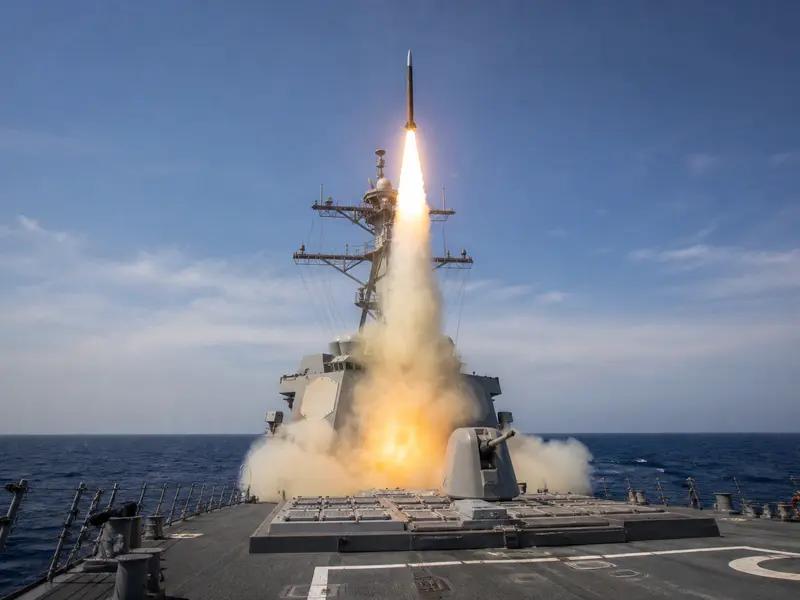
Raytheon Wins $745 Million MDA Contract for SM-3 IIA Interceptors
Raytheon, an RTX business, won a $745 million Missile Defense Agency contract for SM-3 IIA interceptor production and sustainment through 2031.
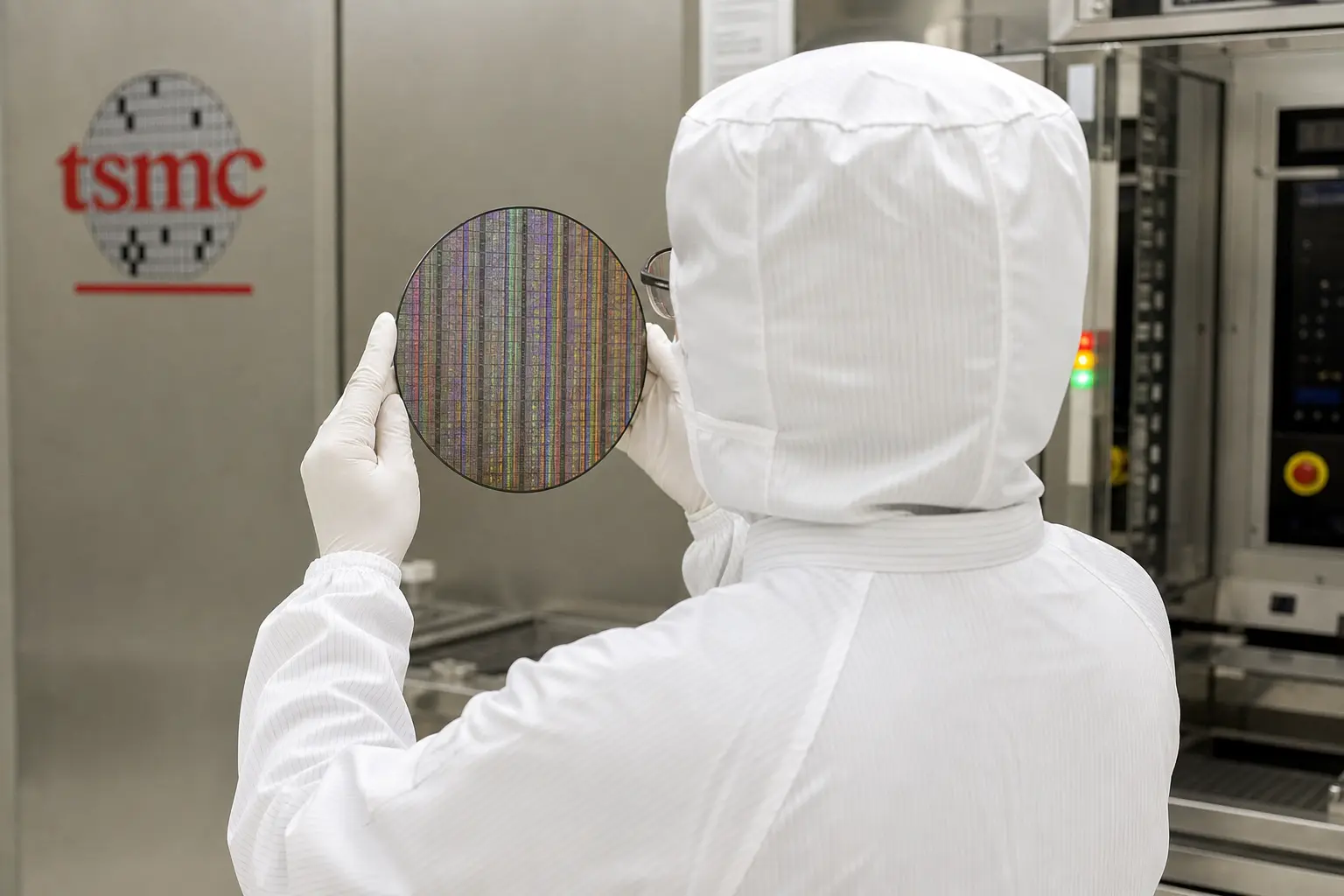
Taiwan Semiconductor Manufacturing Co. (NYSE: TSM) raised its 2026 capital expenditure plan to $60 billion to $64 billion, topping its earlier forecast and reinforcing the view that AI-driven demand is still pushing foundry and infrastructure spending higher.
The revised budget, disclosed in the company's July 17 earnings update, is the second increase this year from the prior $52 billion to $56 billion range. A larger budget from TSMC typically points to heavier investment in advanced process capacity, advanced packaging and manufacturing tools, with direct read-through for equipment suppliers and for customers competing for scarce high-performance compute capacity.
Chief Financial Officer Wendell Huang said the company raised the plan because of "continued strong structural demand" from customers, including the "newly emerging agentic AI market," adding that TSMC would continue to invest heavily to support customer growth.
The increase suggests management now sees stronger and more durable demand than it assumed when it set its earlier 2026 outlook. It supports the case that hyperscaler data-center investment and AI accelerator demand are still feeding through the semiconductor manufacturing chain rather than fading after an initial buildout.
TSMC has already approved large capital budgets this year. A Feb. 10 board meeting approved $44.96 billion for capacity-related spending, and a further $31.28 billion was reported after a May 12 board meeting. The relationship between those board approvals and full-year capex guidance is not fully clear from available reporting, but both point to sustained expansion in manufacturing capacity.
The spending plan comes alongside a broader overseas push. TSMC has announced an additional $100 billion investment in Arizona on top of prior U.S. commitments, bringing its total U.S. chipmaking pledge to $265 billion, according to reported figures. A growing share of future capacity is tied not only to Taiwan fabs but to more expensive global manufacturing.
For the wider market, the plan supports continued demand for wafer fab equipment, especially tools linked to advanced nodes and packaging. It also backs elevated valuation assumptions across parts of the AI semiconductor chain by pointing to strong demand visibility at the industry's most important contract chipmaker.
The bigger budget also raises the execution bar. Spending at this scale will draw scrutiny over how quickly new capacity is filled, whether AI demand broadens beyond a narrow group of customers, and how efficiently TSMC can turn heavy investment into returns. For now, the company's message is that it sees enough demand ahead to spend more, not less.
Get trusted financial analysis, breaking market news, and expert commentary delivered directly to your inbox every morning.