Business
Raytheon Wins $745 Million MDA Contract for SM-3 IIA Interceptors
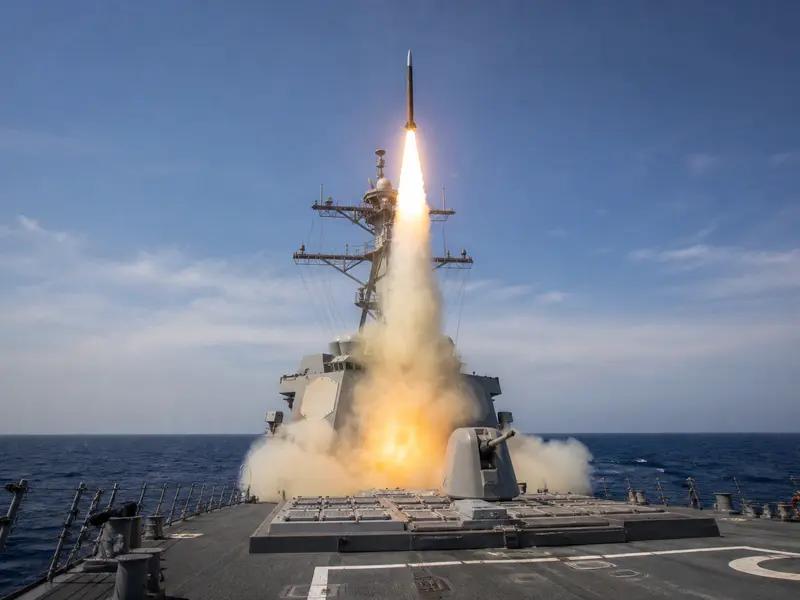
Raytheon, an RTX business, won a $745 million Missile Defense Agency contract for SM-3 IIA interceptor production and sustainment through 2031.
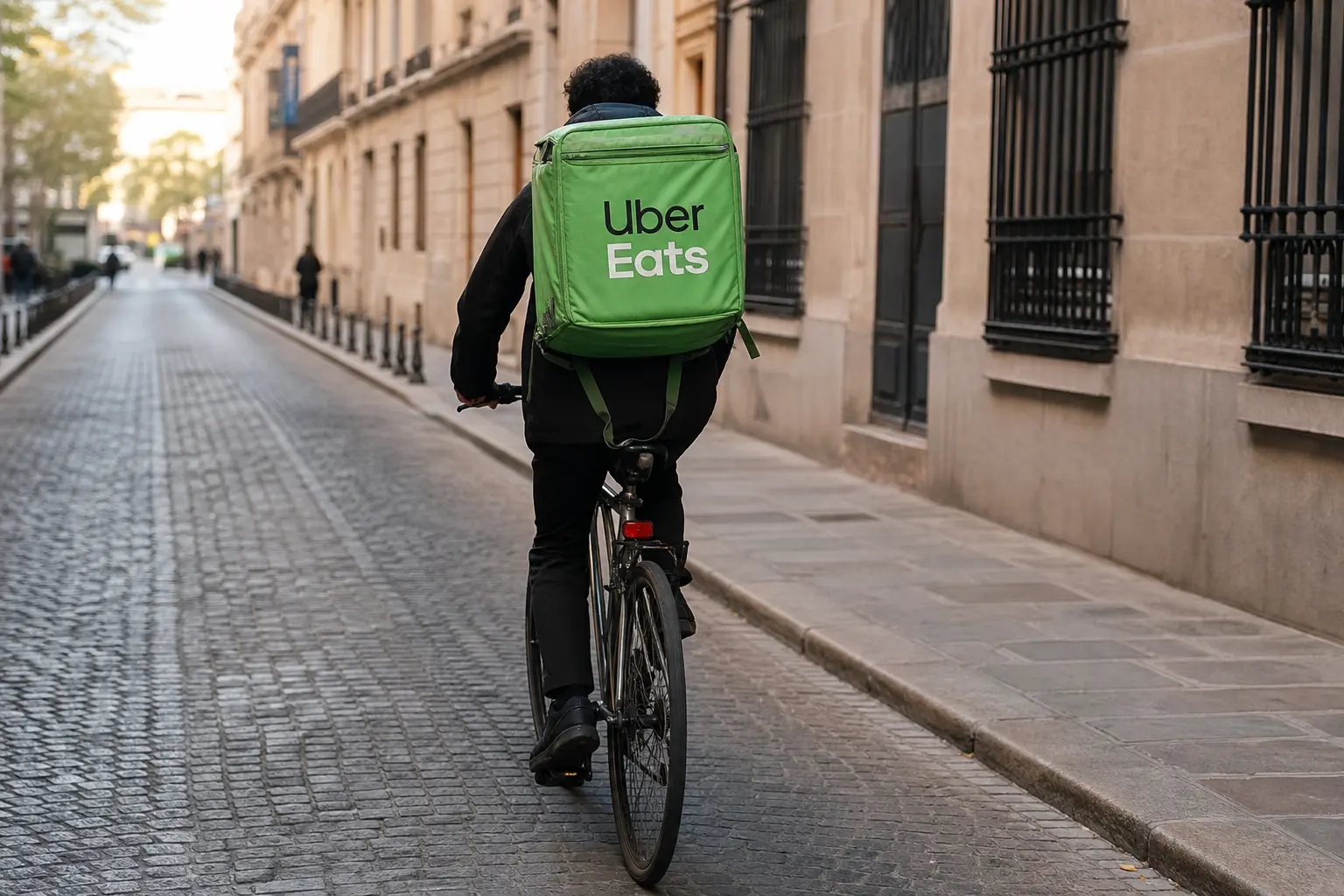
Uber Technologies (NYSE: UBER) has agreed to buy Delivery Hero in a cash takeover valuing the German food-delivery group at about $14.8 billion, one of the largest consolidation moves yet in global food delivery.
Under a business combination agreement announced July 16, Uber will launch a voluntary public takeover offer of €41.50 a share. The offer values all of Delivery Hero at about $14.8 billion, or roughly €12.7 billion to €12.9 billion. Uber said the value falls to $13.7 billion after adjusting for stakes it already owns.
The €41.50 offer is a premium of about 8.7% to Delivery Hero's prior close of €38.18. It is also well above Uber's earlier indicative proposal of €33 a share, disclosed in May, which Delivery Hero did not accept at the time.
Uber had already built a large position before the bid. It controlled just under 37% of Delivery Hero, including derivatives, according to reported filings and transaction disclosures. Uber said Prosus has irrevocably committed to tender its shares, which would bring Uber's total economic interest to about 53% once the offer is completed.
Delivery Hero's management board and supervisory board have backed the offer and intend to recommend that shareholders tender their shares, subject to review of the formal offer document. The deal is expected to close in the second half of 2027, pending merger-control approvals and other customary conditions.
The acquisition would expand Uber's delivery network outside North America and strengthen its position in markets where food delivery is still fragmented or margin pressure remains high. Uber said the combined group would operate in 99 markets, up from 79, with pro forma gross bookings of $236 billion in 2025 across mobility and delivery.
To address competition concerns, Delivery Hero has agreed to sell part of its business in 14 markets to SSW Partners for about $1.6 billion. The sale is contingent on completion of Uber's takeover and is designed to reduce overlap where Uber Eats and Delivery Hero compete directly.
Regulatory scrutiny is likely to be the central issue for investors. Analysts at Jefferies have pointed to competition between the two companies in 22 markets, including nine in Europe, suggesting a lengthy review and the possibility of further remedies beyond the planned divestitures. Authorities in Europe, the Middle East, Asia and Latin America are all likely to examine the transaction.
The deal gives Uber control of Delivery Hero operations in 50 markets that generated $42 billion in gross bookings last year, including brands such as Baedal Minjok in South Korea, Glovo, HungerStation, talabat and PedidosYa. That broadens Uber's exposure in Europe, MENA, Latin America and South Korea, and increases the number of markets where it operates both mobility and delivery from 34 to 58.
Uber said the acquisition is expected to be accretive to non-GAAP earnings per share on closing, with high-single-digit percentage accretion by the third year. It plans to fund the purchase with cash on hand, new debt and a committed bridge facility of about €14 billion.
The transaction points to a more concentrated global delivery market, where scale and density carry more weight. For Uber, the payoff is a larger footprint and a path to margin expansion in delivery. The risk is that regulators extend the timeline, demand additional asset sales or limit the economics of the combination in key markets.
Get trusted financial analysis, breaking market news, and expert commentary delivered directly to your inbox every morning.