Business
Raytheon Wins $745 Million MDA Contract for SM-3 IIA Interceptors
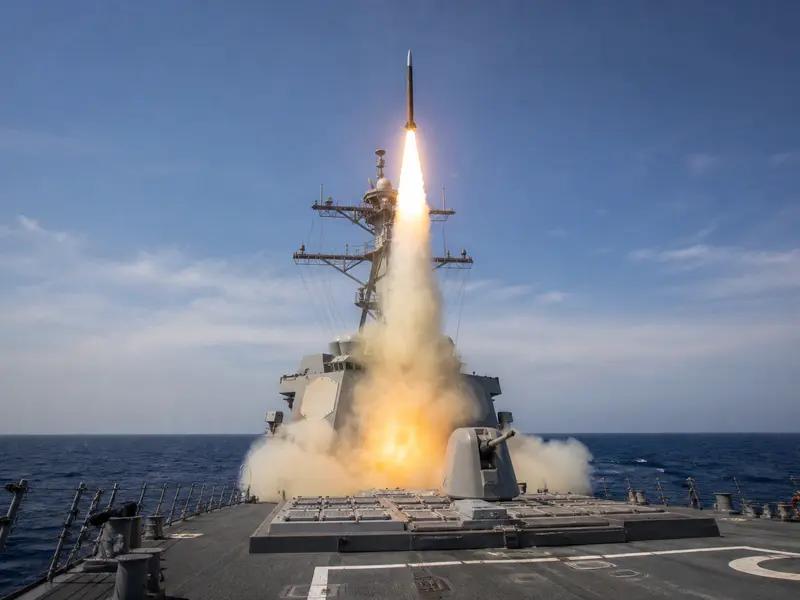
Raytheon, an RTX business, won a $745 million Missile Defense Agency contract for SM-3 IIA interceptor production and sustainment through 2031.
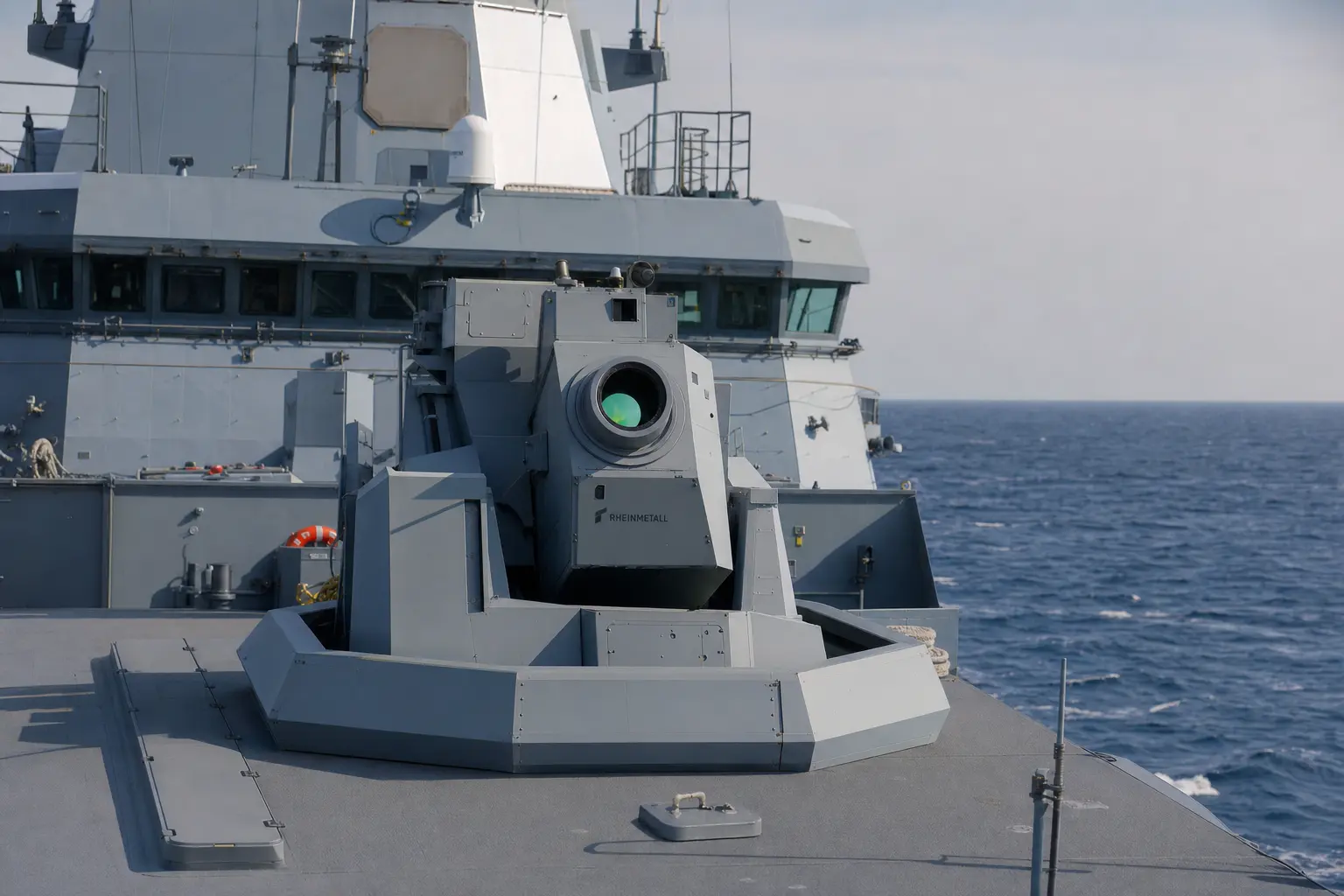
Germany's defence procurement agency has awarded Rheinmetall (Xetra: RHMG) and MBDA a contract worth a mid three-digit million euros to develop a high-energy laser weapon system for the German Navy.
The Federal Office of Bundeswehr Equipment, Information Technology and In-Service Support, known as BAAINBw, signed the contract on July 9. Rheinmetall said the system is expected to be operational by 2029, with series production taking place largely in Germany.
The award adds a multi-year development program in a defence segment drawing rising attention as militaries look for cheaper close-in options against drones and other short-range threats. It also extends Rheinmetall's exposure to Germany's rearmament cycle beyond ammunition, vehicles and conventional air defence.
Rheinmetall and MBDA said the work covers a complete maritime laser weapon system, from reconnaissance and target tracking through engagement. The companies are pursuing the project through the ARGE HEL Naval Laser Demonstrator working group and are forming a joint venture for the activity.
Neither company disclosed an exact contract value. Statements from Rheinmetall and MBDA described it only as a mid three-digit million-euro amount. A specific figure cited by some secondary outlets has not been confirmed by the companies or German authorities.
The award follows several years of demonstrator testing. Rheinmetall and MBDA previously integrated a naval laser demonstrator on the German frigate Sachsen, where it completed a year-long trial. Rheinmetall said the demonstrator covered 28,000 nautical miles across the North Sea, Baltic Sea and Mediterranean and worked in adverse weather.
After the sea trials, the system was transferred to the Bundeswehr's WTD 91 test centre in Meppen. Rheinmetall said more than 1,000 shots were fired successfully there over more than a year against airborne, maritime and land-based targets. Earlier sea testing involved more than 100 firing and tracking tests.
The contract moves the program from demonstration into full system development. It reduces some technical uncertainty around target tracking, beam control and operation at sea, though integration into a combat-ready naval weapon by 2029 still carries normal defence-program execution risk.
The companies have described the future system as a complement to shipboard guns and guided missiles rather than a replacement. Rheinmetall and MBDA have said the weapon is intended to counter drones and other agile targets at short and very short ranges, an area where naval forces are under pressure to find responses cheaper than missile interceptors.
The program also fits Berlin's emphasis on domestic defence-industrial capacity. Rheinmetall said German supply chains and systems expertise would underpin the project and support national sovereignty in the technology.
For Rheinmetall, the contract opens a revenue stream in directed-energy weapons, with potential follow-on production and upgrade work if the German Navy fields the system more broadly. Those next steps remain undefined. The current award covers development, not a disclosed fleet-wide procurement plan.
Get trusted financial analysis, breaking market news, and expert commentary delivered directly to your inbox every morning.