Business
Raytheon Wins $745 Million MDA Contract for SM-3 IIA Interceptors
Raytheon, an RTX business, won a $745 million Missile Defense Agency contract for SM-3 IIA interceptor production and sustainment through 2031.
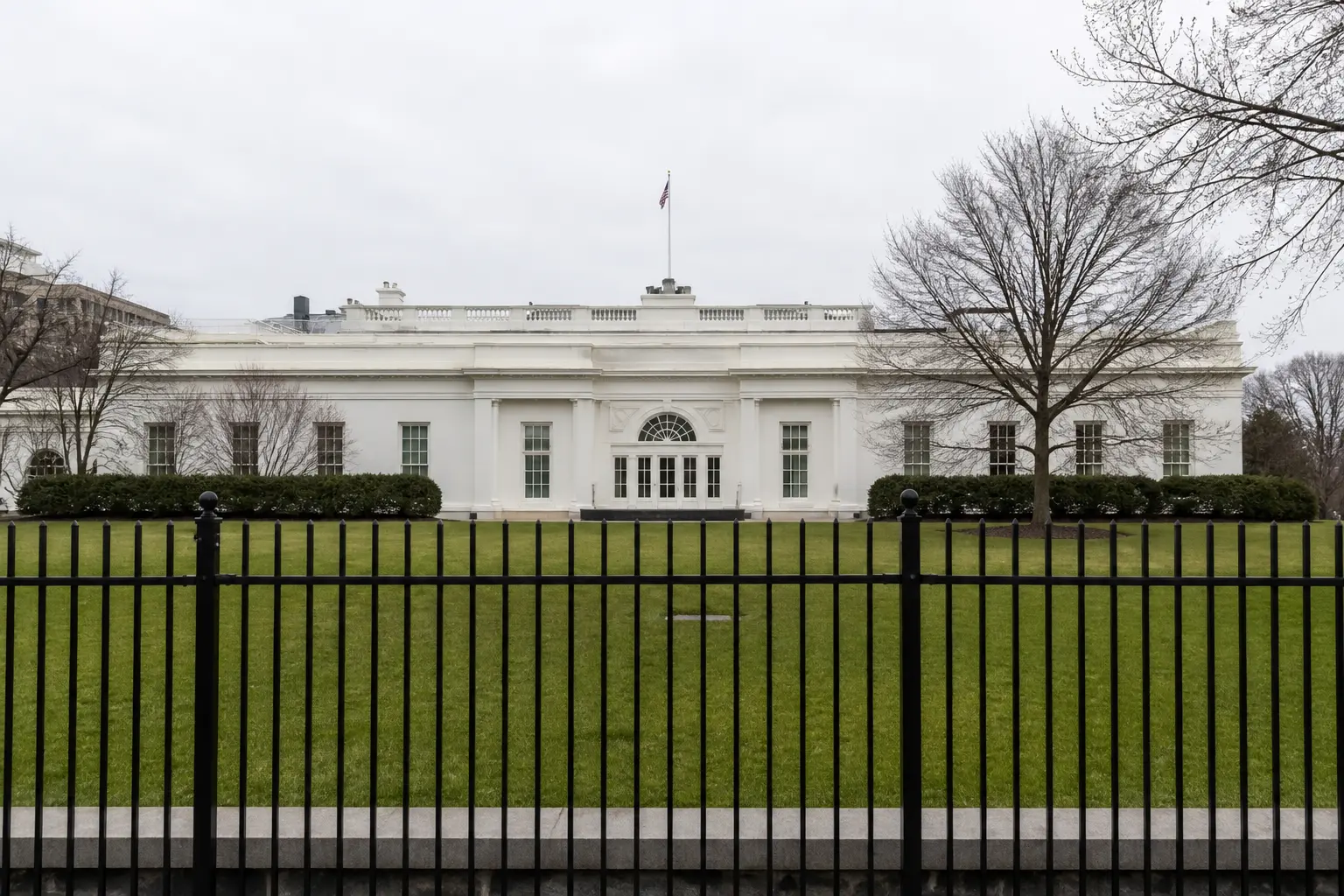
The White House has completed a voluntary federal framework for testing the cybersecurity capabilities of the most advanced AI models and is meeting leading developers to discuss next steps, a move that could add time and process to some high-end model launches.
OpenAI, Google, Anthropic and Meta are expected to review the framework with administration officials at the White House on Tuesday, according to multiple reports. The Office of the National Cyber Director is convening the session.
The framework stems from President Donald Trump's June 2 executive order on advanced AI innovation and security. It directs federal agencies to create a regime for evaluating whether models qualify as "covered frontier models" and, if they do, to allow the government access to them for up to 30 days before broader release to trusted partners.
A White House official said the framework required by the June order is complete and that discussions with industry are now underway. The administration has not published the framework text, and officials have not disclosed the testing metrics, reporting format, or when companies will begin using it.
That leaves several core details unresolved for investors. The threshold for a model to be designated a covered frontier model is classified under the executive order, as is the benchmarking process used to assess advanced cyber capabilities. Outside investors cannot yet determine which upcoming systems at major developers are most likely to trigger review.
The order also makes clear the system is voluntary. It says nothing in the relevant section should be read to create a mandatory licensing, clearance, or permitting regime for AI development or distribution. Still, the framework introduces a formal federal expectation around frontier model testing at a time when Washington is paying closer attention to the potential hacking and cyber-offense capabilities of advanced systems.
For large AI developers, that raises the prospect of higher compliance and governance costs around top-tier releases. A pre-release review window of as much as 30 days could complicate launch timing for models that meet the covered threshold, particularly if companies need to build internal procedures for secure government access, confidentiality controls, and intellectual property safeguards.
The impact may not fall evenly across the sector. Large incumbents such as Alphabet and Meta have the legal, security, and engineering resources to absorb another review layer more easily than smaller labs. If the biggest developers participate, the voluntary framework could also become a de facto industry standard for frontier model releases, even without a formal mandate.
Meta Platforms (Nasdaq: META) is one participant to watch because prior reporting described it as slower than some peers to join government-led model review efforts. A company spokesperson confirmed Meta received an invitation to Tuesday's White House discussions.
The broader policy line also bears watching. While the administration is presenting the framework as voluntary, recent reporting has indicated officials have explored ways to delay or prevent some advanced model releases on safety grounds. That adds uncertainty around whether a nominally voluntary system could develop into a stronger federal lever over time.
For now, the immediate development is narrower. Washington has met its self-imposed deadline, brought the largest U.S. AI labs into the room, and established a clearer federal process around frontier-model cyber testing. What remains unclear is how often that process will be used, how burdensome it will be, and whether voluntary review stays voluntary in practice.
Get trusted financial analysis, breaking market news, and expert commentary delivered directly to your inbox every morning.