Business
Raytheon Wins $745 Million MDA Contract for SM-3 IIA Interceptors
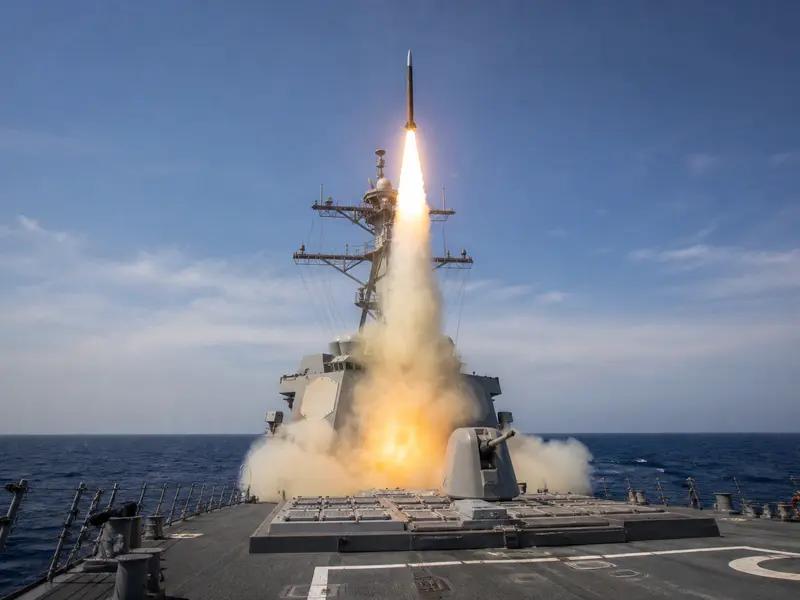
Raytheon, an RTX business, won a $745 million Missile Defense Agency contract for SM-3 IIA interceptor production and sustainment through 2031.
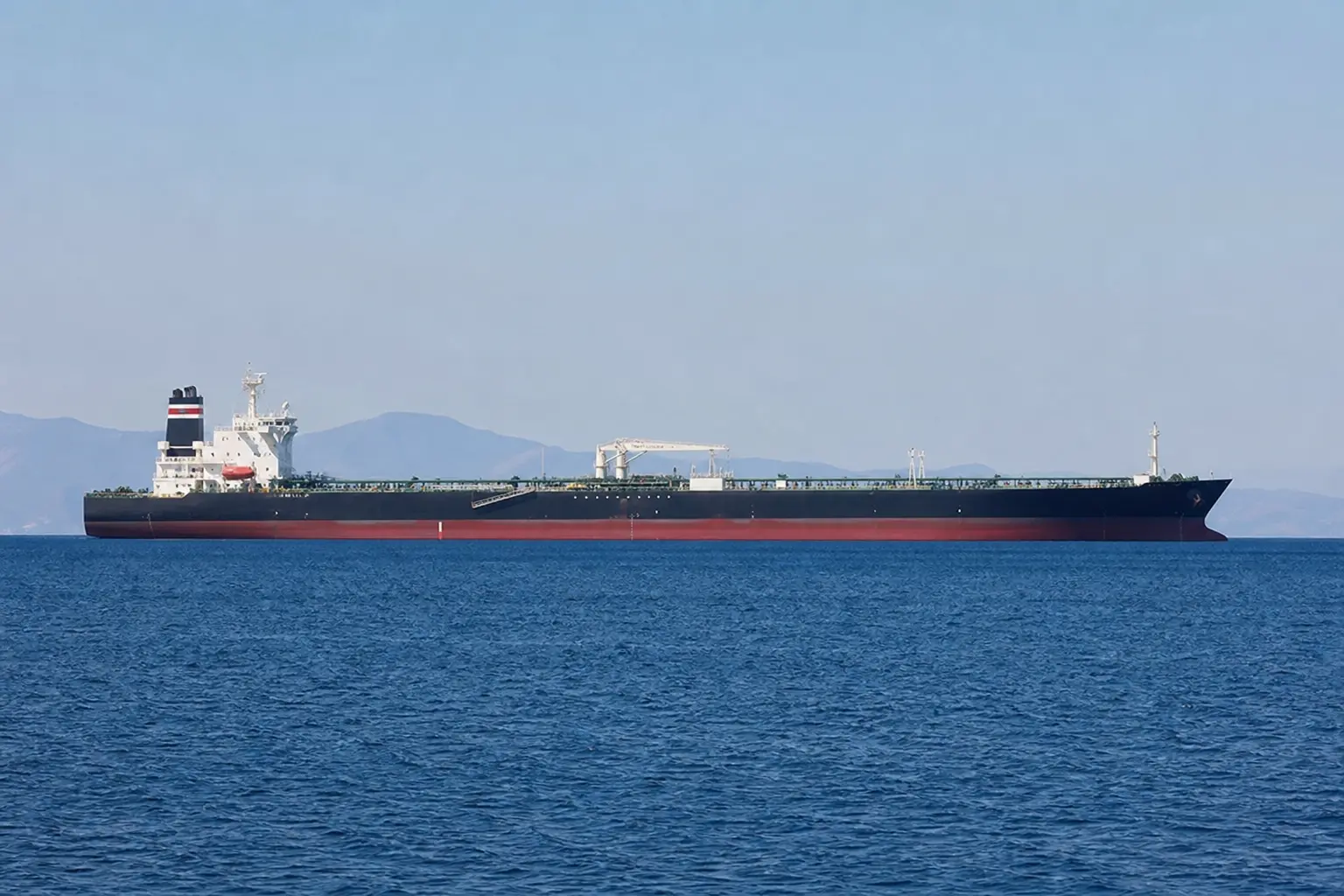
The U.S. Treasury has revoked the license that temporarily allowed global exports of Iranian-origin crude, petroleum and petrochemical products, restoring full oil sanctions and forcing counterparties to wind down permitted transactions by July 17.
The move cuts short a 60-day sanctions waiver that had reopened Iranian oil flows through August 21 under a ceasefire framework. It adds another geopolitical risk to crude markets after attacks on commercial tankers near the Strait of Hormuz, one of the world's most important energy chokepoints.
Treasury's Office of Foreign Assets Control said Iran-related General License X was replaced and superseded in full by General License X1, effective July 7. The new license revokes the June 21 authorization and allows only a short wind-down of previously permitted activity.
Under the original General License X, transactions ordinarily prohibited by U.S. sanctions were temporarily authorized if they were incident to the production, sale, delivery or offloading of Iranian-origin crude, petrochemical products or petroleum products. The waiver also covered transactions involving blocked vessels and had been due to run until 12:01 a.m. EDT on August 21.
Under GL X1, market participants can only wind down transactions previously authorized under the June waiver. Multiple summaries of the order said new purchases or loading of Iranian-origin crude, petrochemical products and petroleum products are prohibited from July 7 onward. Reports on the OFAC language also said payments to blocked persons must be placed into blocked, interest-bearing accounts in the United States.
The revocation came the same day Washington announced fresh strikes on Iran. Several reports tied the action to recent attacks on three commercial tankers near or in the Strait of Hormuz. Reuters reported that the U.S. revoked the oil license after three tankers were hit by projectiles in the waterway.
The Hormuz route remains central to seaborne crude flows, and markets had only recently started to price in extra Iranian supply during the ceasefire period. Earlier this year, the International Energy Agency described the prior closure of the strait during the 2026 conflict as the largest supply disruption in the history of the global oil market.
The June waiver had changed export expectations sharply. Iran's parliament speaker and chief negotiator Mohammad Bagher Ghalibaf said Iran exported more than 40 million barrels of crude after the U.S. removed its naval blockade. TankerTrackers.com estimated roughly 50 million barrels were exported over that period. The temporary relief had also reopened shipping, insurance and dollar-payment channels tied to Iranian oil cargoes.
Crude prices reacted quickly. Reuters reported Brent settled up $2.17, or 3.01%, at $74.16 a barrel on July 7, while U.S. West Texas Intermediate settled up $1.89, or 2.76%, at $70.44. In post-settlement trading, both benchmarks extended gains, leaving them up more than 5% from the previous day's settlements. Other coverage said Brent moved close to $76 a barrel as traders reassessed supply risk.
Iranian barrels expected through August are now back under sanctions pressure, with legal room narrowed to a 10-day wind-down. That raises compliance risk for traders, shipowners, insurers and banks, and returns oil prices to a market driven as much by military and sanctions developments as by supply and demand.
Get trusted financial analysis, breaking market news, and expert commentary delivered directly to your inbox every morning.