Business
Raytheon Wins $745 Million MDA Contract for SM-3 IIA Interceptors
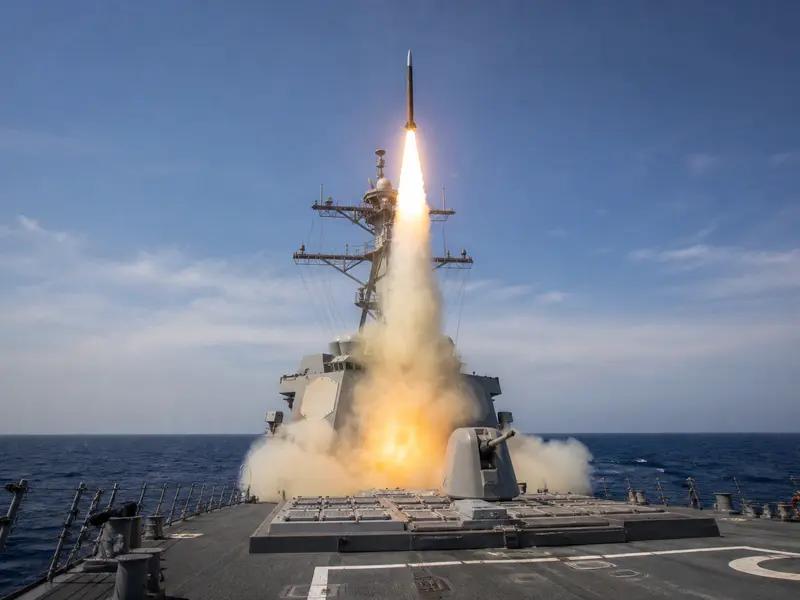
Raytheon, an RTX business, won a $745 million Missile Defense Agency contract for SM-3 IIA interceptor production and sustainment through 2031.
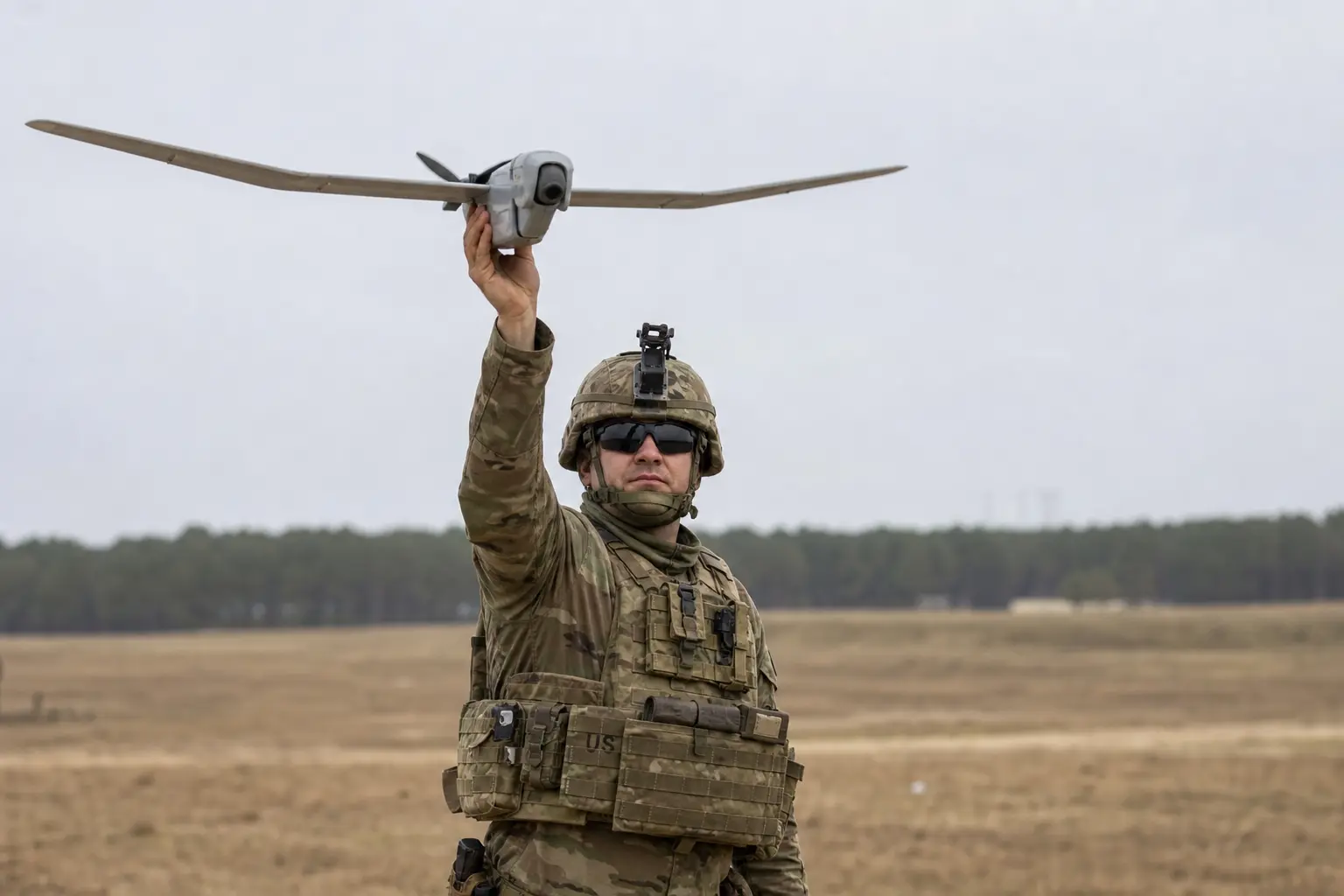
The U.S. Army has launched a program called Army FUZE to move emerging technologies from early development into operational units faster, part of a broader push to shorten procurement timelines and get commercial innovation into soldiers’ hands.
Army officials describe FUZE as the service’s flagship innovation engine and the capital arm of its Pathway for Innovation and Technology office, or PIT. The program unifies several existing funding and development channels under one portfolio and steers them toward rapid fielding of technologies the Army sees as urgent, including unmanned systems, counter-drone capabilities, electronic warfare tools and energy resilience.
FUZE is expected to direct about $750 million a year through four existing mechanisms: the xTech prize competition, Small Business Innovation Research funding, the Technology Maturation Initiative and the Manufacturing Technology office. Rather than operating as a standalone fund, it coordinates those pathways so companies can move from early validation to prototyping, maturation and production with less friction.
The Army has long struggled with the gap between promising prototypes and deployable systems, a problem known in acquisition as the valley of death. Innovation officials say the aim is to replace slow, sequential development cycles with a more iterative process that draws on commercial technology, puts prototypes in front of soldiers earlier and uses operational feedback to refine products before wider deployment.
Matt Willis, the Army’s director of innovation programs, has described FUZE as an effort to focus on areas where private-sector technology is advancing faster than the Army and to speed the handoff from concept to field use. The PIT office, which sits within the Office of the Assistant Secretary of the Army for Acquisition, Logistics and Technology, is structured around that same loop of testing, feedback and transition.
The Army has outlined early FUZE-linked competitions. One is a $500,000 xTech prize tied to the Association of the United States Army conference and focused on the four initial technology areas. Another is a $2.5 million counterstrike competition planned with U.S. Army Europe. Officials say FUZE-backed support can extend beyond prize money to minimum viable product development, integrated capabilities work and rapid manufacturing.
For vendors, the significance is less a new pot of money than the Army’s attempt to make existing capital and acquisition tools work as a single pipeline. That could improve visibility for smaller and nontraditional contractors in dual-use sectors such as autonomous systems, counter-UAS, power systems and electronic warfare, where commercial development cycles outpace military procurement.
The model may also matter for the larger listed companies that dominate Army contracting, even though FUZE is aimed first at early-stage firms. If it produces more mature prototypes earlier, prime contractors could see more opportunities to integrate, manufacture, partner with or acquire developers whose systems have already cleared early operational testing.
Execution remains the open question. FUZE still depends on existing programs, each with its own rules and timelines, and prototype funding does not guarantee adoption into larger procurement programs. The Army’s decision to formalize a venture-style, soldier-centered pipeline adds to evidence that the Pentagon is trying to make speed and iteration more central to modernization.
Get trusted financial analysis, breaking market news, and expert commentary delivered directly to your inbox every morning.