Business
Raytheon Wins $745 Million MDA Contract for SM-3 IIA Interceptors
Raytheon, an RTX business, won a $745 million Missile Defense Agency contract for SM-3 IIA interceptor production and sustainment through 2031.
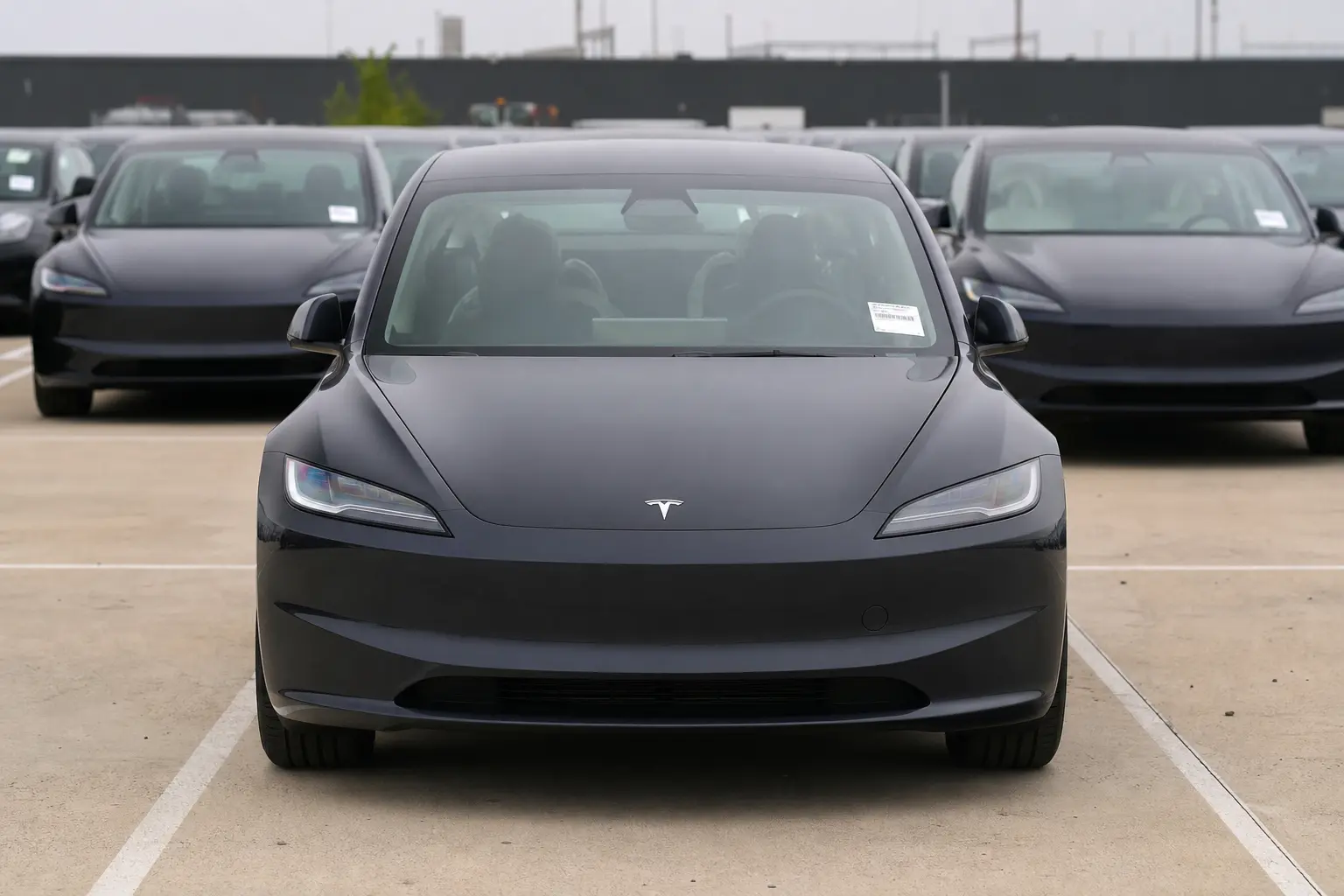
Tesla (NASDAQ: TSLA) said second-quarter deliveries rose 25% from a year earlier to 480,126 vehicles, far ahead of Wall Street expectations and a sign that demand held up better than investors had feared after a weak start to 2026.
The electric-vehicle maker produced 451,758 vehicles in the quarter and deployed 13.5 GWh of energy storage, according to its July 2 delivery release. Deliveries rose about 34% from the first quarter, when Tesla reported 358,023 vehicles.
The scale of the beat stood out. Tesla's own investor-relations consensus table showed average delivery expectations of 406,024 vehicles, with a median of 408,609 based on 22 forecasts. A separate Visible Alpha average cited by Reuters was 402,776. On either measure, Tesla cleared consensus by more than 70,000 vehicles, exceeding even the most optimistic published forecasts, which had clustered around 418,000 to 420,000.
The year-over-year gain came off a Q2 2025 base of 384,122 deliveries, an increase of 96,004 vehicles. The Model 3 and Model Y lineup led the result, accounting for 467,762 deliveries, up from 373,728 a year earlier. Other models, including Cybertruck and Semi, contributed 12,364, up from 10,394.
Production remained concentrated in the lower-priced lineup. Tesla built 442,936 Model 3 and Model Y vehicles in the quarter, compared with 8,822 units in its other vehicle category.
Deliveries exceeded production by more than 28,000 vehicles, indicating Tesla drew down inventory built up earlier in the year rather than adding to unsold stock. After concerns that weaker demand could force heavier discounting, the move suggests stronger sell-through.
The report adds to evidence that Tesla may be regaining momentum after a volatile period marked by softer sales, changing incentive regimes and questions about how much high interest rates and political backlash around Chief Executive Elon Musk were weighing on buyers.
Regional trends were mixed. Europe was seen as a key source of improvement, helped by higher fuel prices, government EV incentives and faster fleet electrification. China remained relatively firm despite intense competition from domestic manufacturers including BYD. In the U.S., demand has faced pressure since EV tax credits were removed late last year.
Tesla has also leaned more heavily on its non-automotive business. Energy storage deployments rose about 40% to 13.5 GWh from 9.6 GWh a year earlier.
The delivery report leaves key questions unanswered, including pricing, automotive margins and the cost of Tesla's expanding investment plans. The company said earlier this year it expected 2026 capital spending to exceed $25 billion as it funds AI, robotics and chip initiatives.
For now, the second-quarter data shifts the immediate debate. Tesla's volumes returned to year-over-year growth by a wide enough margin to challenge expectations for another down year. Whether that translates into sustained demand and stronger profitability will become clearer when the company reports full quarterly financial results.
Get trusted financial analysis, breaking market news, and expert commentary delivered directly to your inbox every morning.