Business
Raytheon Wins $745 Million MDA Contract for SM-3 IIA Interceptors
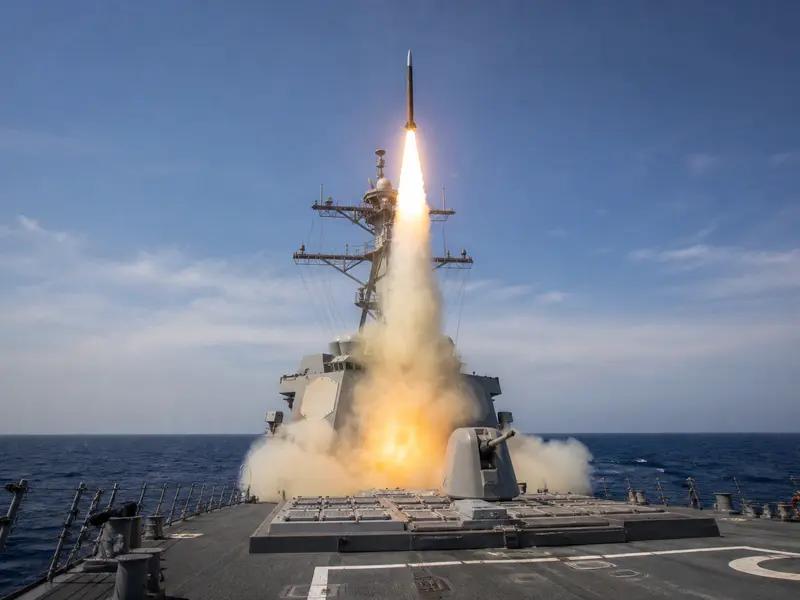
Raytheon, an RTX business, won a $745 million Missile Defense Agency contract for SM-3 IIA interceptor production and sustainment through 2031.
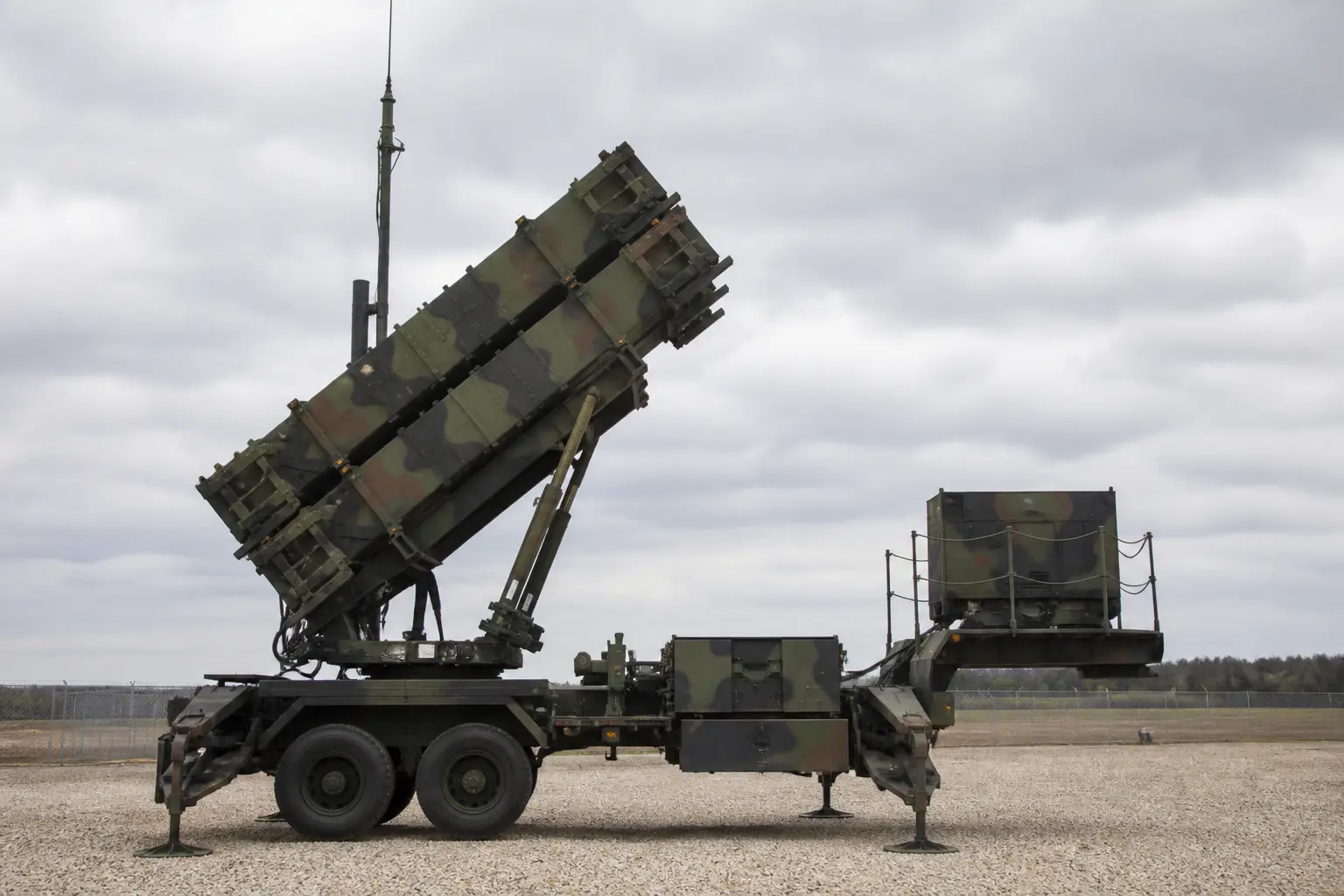
The U.S. Defense Department said on Aug. 3 it signed framework agreements with Lockheed Martin (NYSE: LMT) and Northrop Grumman to expand production capacity for components used in Patriot PAC-3 and THAAD missile interceptors, the latest step in a Pentagon push to rebuild air-defense inventories and raise munitions output over several years.
The agreements address production bottlenecks below the level of final assembly. The Pentagon said the frameworks are designed to increase capacity for interceptor components, supporting higher output of finished Patriot and THAAD systems as demand rises. The structure points to longer-duration demand rather than a one-time order cycle.
For Patriot PAC-3, the effort covers parts including solid rocket motors and ignition safety devices. For THAAD, the targeted components include mid-body shells, muzzle covers, rail car assemblies and other hardware. The Pentagon described the arrangements as capacity-expansion frameworks, and reporting tied them to a wider plan to raise interceptor production.
The announcement follows larger multiyear contract actions awarded this summer. In late July, the U.S. Army converted Lockheed's prior Patriot contract into a seven-year multiyear procurement program worth up to $58.6 billion for PAC-3 production. On June 24, Lockheed received a separate seven-year undefinitized contract action worth up to $35 billion to expand THAAD interceptor production.
Those awards and the new component agreements outline the Pentagon's intended production path. Multiple reports have said the goal is to triple Patriot output and quadruple THAAD output. Prior reporting put the targeted annual rates at roughly 2,000 Patriot PAC-3 interceptors, up from about 600, and about 400 THAAD interceptors, up from 96.
Northrop's portion of the new framework has been reported at more than $3 billion in total, with roughly $2 billion tied to Patriot-related work and about $1 billion tied to THAAD-related work. Ben Davies, a Northrop vice president in defense systems, said the agreements cover around $2 billion of work linked to Lockheed's PAC-3 MSE interceptor, including solid rocket motors, according to Bloomberg. The Pentagon did not detail the full value breakdown in its announcement.
The agreements arrive as the U.S. works to replenish missile stockpiles after heavy demand from recent conflicts and higher use of air and missile defense systems. That has increased pressure on the defense industrial base to lift throughput on propulsion, structures and other hard-to-replace parts that can constrain final deliveries.
For Lockheed, the new framework adds visibility on missile-defense revenue already supported by the larger Patriot and THAAD multiyear awards. For Northrop, it defines a role in the component supply chain for two priority air-defense programs and could support backlog in propulsion and related systems.
The full economics of the Aug. 3 agreements are not yet public. The Pentagon is using multiyear arrangements and supplier-capacity commitments to turn replenishment needs into sustained production programs for two of its main missile-defense systems.
Get trusted financial analysis, breaking market news, and expert commentary delivered directly to your inbox every morning.