Business
Raytheon Wins $745 Million MDA Contract for SM-3 IIA Interceptors
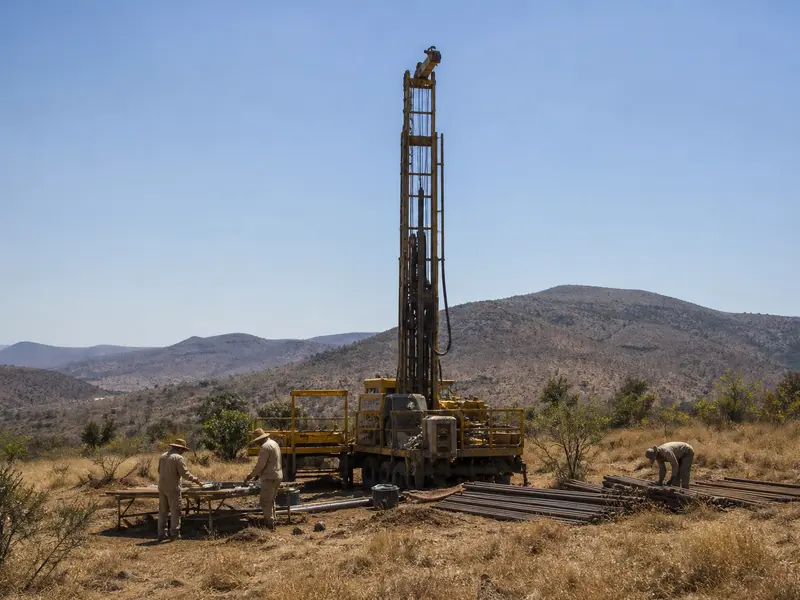
Raytheon, an RTX business, won a $745 million Missile Defense Agency contract for SM-3 IIA interceptor production and sustainment through 2031.
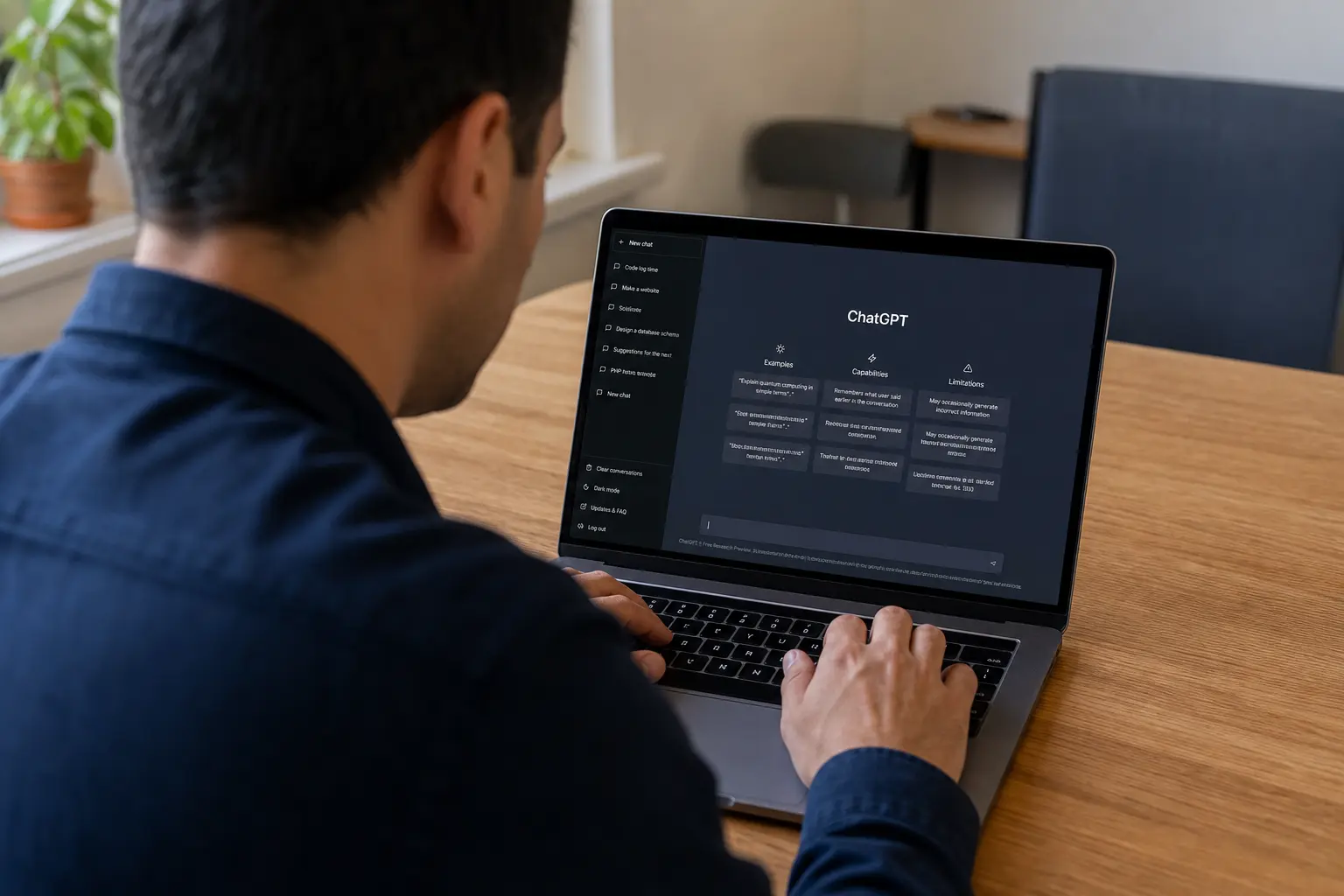
OpenAI on July 9 began a broader release of GPT-5.6 across ChatGPT, Codex and its API, ending a roughly two-week period in which the model was available only to a limited group of partners and organizations. The wider release pairs broader distribution with a clearer price and performance ladder, a structure that could shape enterprise adoption, API spending and pricing across the AI sector.
OpenAI said on its product page that "GPT-5.6 is available starting today across ChatGPT, Codex, and the OpenAI API" and that the rollout was beginning globally and would continue gradually over the next 24 hours. In a separate community update, the company said it was expanding preview access globally on Thursday, July 9.
OpenAI introduced GPT-5.6 in preview on June 26, when access was restricted to a select group of trusted partners and organizations through the API and Codex. The company's ChatGPT release notes described GPT-5.6 Sol as the flagship reasoning model for coding, research, science, cybersecurity, computer use and design.
The model family has three tiers. Based on OpenAI release notes and descriptions in launch coverage, Sol is the highest-capability tier, Terra is positioned for broader day-to-day use, and Luna is designed as a faster, lower-cost option.
Pricing published in several secondary reports was consistent across outlets, though a primary OpenAI pricing table was not verified in the research set. Those reports listed Sol at $5 per million input tokens and $30 per million output tokens, Terra at $2.50 and $15, and Luna at $1 and $6.
If those prices hold, the lineup gives OpenAI a clearer way to segment workloads. Lower-cost access through Luna could make high-volume automation and routine enterprise use more economical, while Sol keeps a premium tier for complex reasoning and coding tasks. Terra sits between the two as a general-purpose option.
The structure matters for investors tracking the economics of AI inference. It suggests OpenAI is trying to widen usage without abandoning premium pricing at the top end, and it raises pressure on competing model providers to show either better performance at similar prices or lower costs for comparable tasks.
The government angle is less clear-cut. Several reports said OpenAI had limited access during a cybersecurity review requested by the Trump administration and widened availability after that review ended. The Washington Post reported that the administration had asked the company to confine access to government-approved partners during the review. The public record in the material reviewed does not confirm a formal U.S. ban.
That distinction matters. A White House spokesperson, quoted in secondary coverage, said the Trump administration did not give OpenAI a green light, approval or clearance to release its models, and added that no such permission is required or granted. There is evidence of government scrutiny and a constrained preview period, but not of an official prohibition lifted on July 9.
The broader signal is that frontier-model launches may face more policy review and rollout friction than standard software releases. For OpenAI, the wider launch extends one model family across consumer, developer and enterprise channels at once, tightening the link between capability, distribution and monetization.
Get trusted financial analysis, breaking market news, and expert commentary delivered directly to your inbox every morning.