Business
Raytheon Wins $745 Million MDA Contract for SM-3 IIA Interceptors
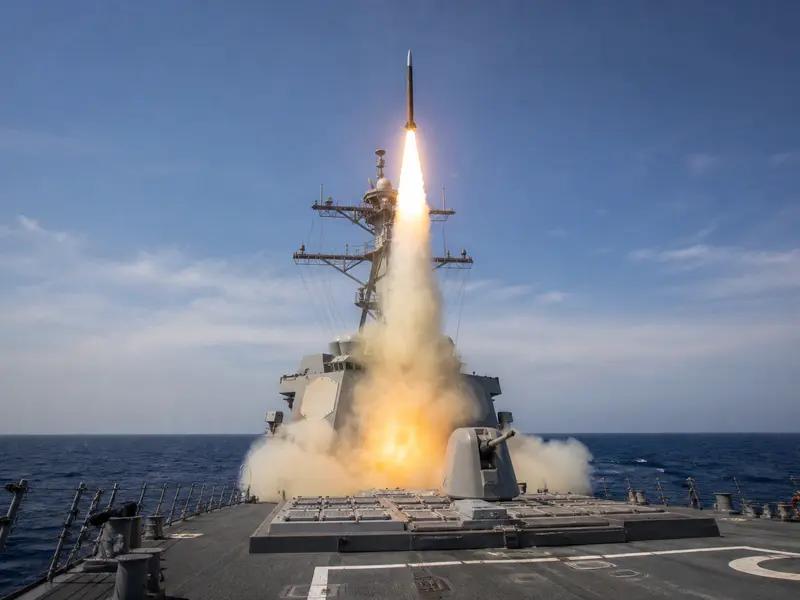
Raytheon, an RTX business, won a $745 million Missile Defense Agency contract for SM-3 IIA interceptor production and sustainment through 2031.
NYMEX August WTI and ICE August Brent opened sharply higher on June 28 after Iran launched missiles and drones at Bahrain and Kuwait and a tanker was hit near the Strait of Hormuz, reviving concern over disruption to the world's most important oil chokepoint.
The move added a fresh geopolitical premium after several sessions in which markets had begun to price a partial normalization of Hormuz traffic under a fragile US-Iran ceasefire. That assumption is now under pressure. The latest exchange followed US strikes on Iranian coastal positions and multiple attacks on commercial vessels near the strait in the same week.
A futures settlement summary for the following session showed NYMEX August WTI at $70.75 a barrel, up $1.52, or 2.2%. Brent traded firmer in tandem, with both benchmarks in the low-$70s a barrel in late June.
Iran's Islamic Revolutionary Guard Corps said it targeted the US Ali Al Salem Air Base in Kuwait and the US Fifth Fleet headquarters area in Bahrain in response to American strikes on Iranian coastal sites. Bahrain sounded air raid sirens and Kuwait said its air defenses were responding to missile and drone threats. A US official said there were no reported American casualties or major damage.
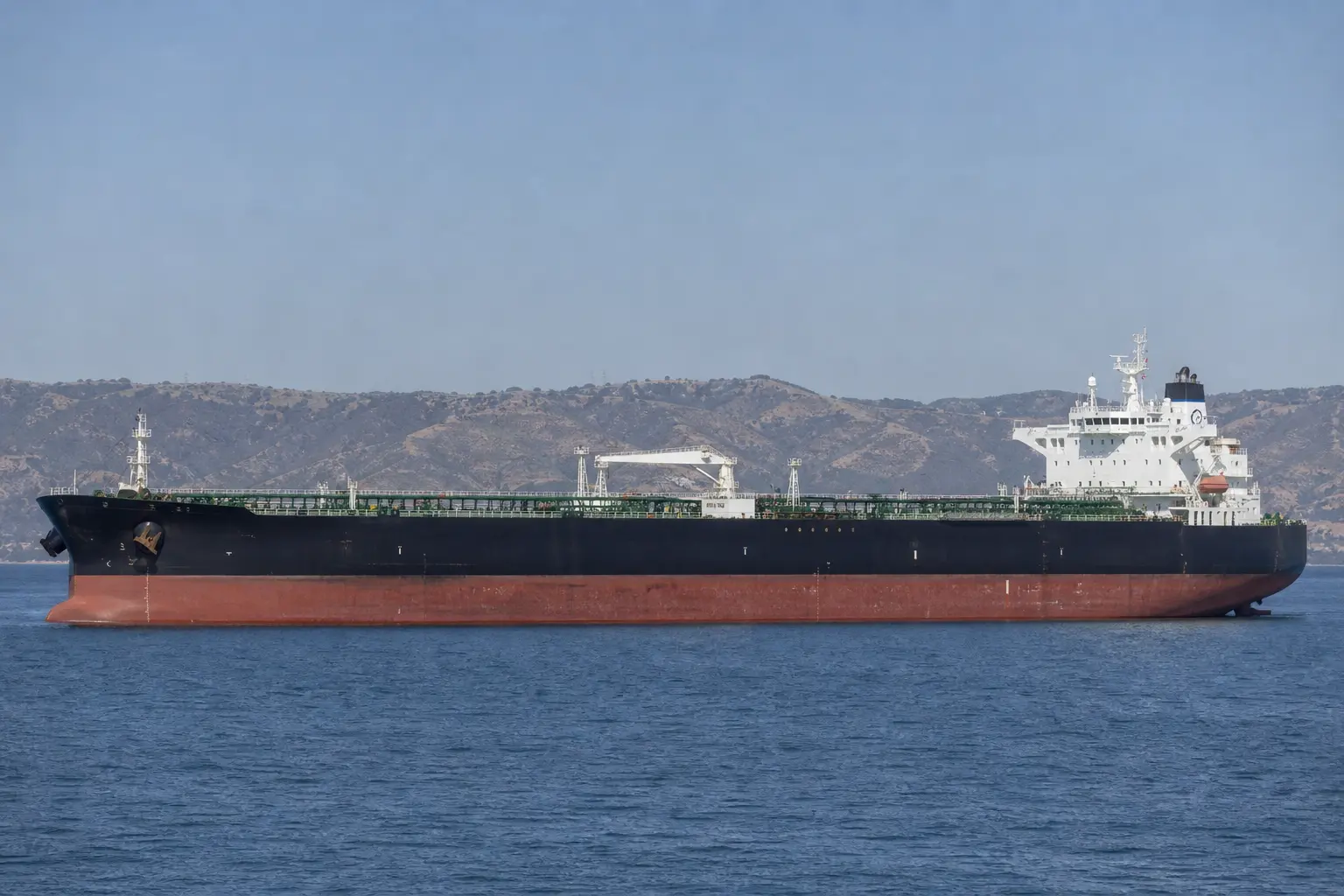
Shipping risk in Hormuz intensified at the same time. A tanker carrying Qatari oil was struck by an unidentified projectile inside the strait, damaging its bridge, according to the UK Maritime Trade Operations center. The crew was reported safe and no spill was recorded. The Joint Maritime Information Center raised its threat assessment for regional shipping to "substantial."
That incident followed a drone strike on the Singapore-registered container ship Ever Lovely near Hormuz and an attack on the Panama-flagged tanker Kiku, which US Central Command said was carrying more than 2 million barrels of crude. CENTCOM later said US naval and air forces struck 10 Iranian military targets in and near the strait in response.
For traders, the pattern matters as much as any single strike. Hormuz connects the Persian Gulf with the Gulf of Oman and carries about 20% of global oil and gas flows in normal conditions. Repeated attacks on merchant vessels raise the probability of delays, rerouting, higher war-risk insurance and reduced tanker capacity, even without an outright supply outage.
The market is also reassessing the durability of the June 17 ceasefire framework tied to efforts to reopen shipping lanes. A UN-backed route hugging Oman's coast had begun to attract some tanker traffic, but Iran had warned vessels against using it. Tehran has also said continued US strikes could halt negotiations entirely.
Crude is again trading on shipping security as much as on physical balances. If attacks on vessels continue or military exchanges widen, the near-dated oil curve is likely to stay sensitive to every development around Hormuz, with knock-on effects for tanker rates, refining margins, inflation expectations and broader risk assets.
Get trusted financial analysis, breaking market news, and expert commentary delivered directly to your inbox every morning.