Business
Raytheon Wins $745 Million MDA Contract for SM-3 IIA Interceptors
Raytheon, an RTX business, won a $745 million Missile Defense Agency contract for SM-3 IIA interceptor production and sustainment through 2031.
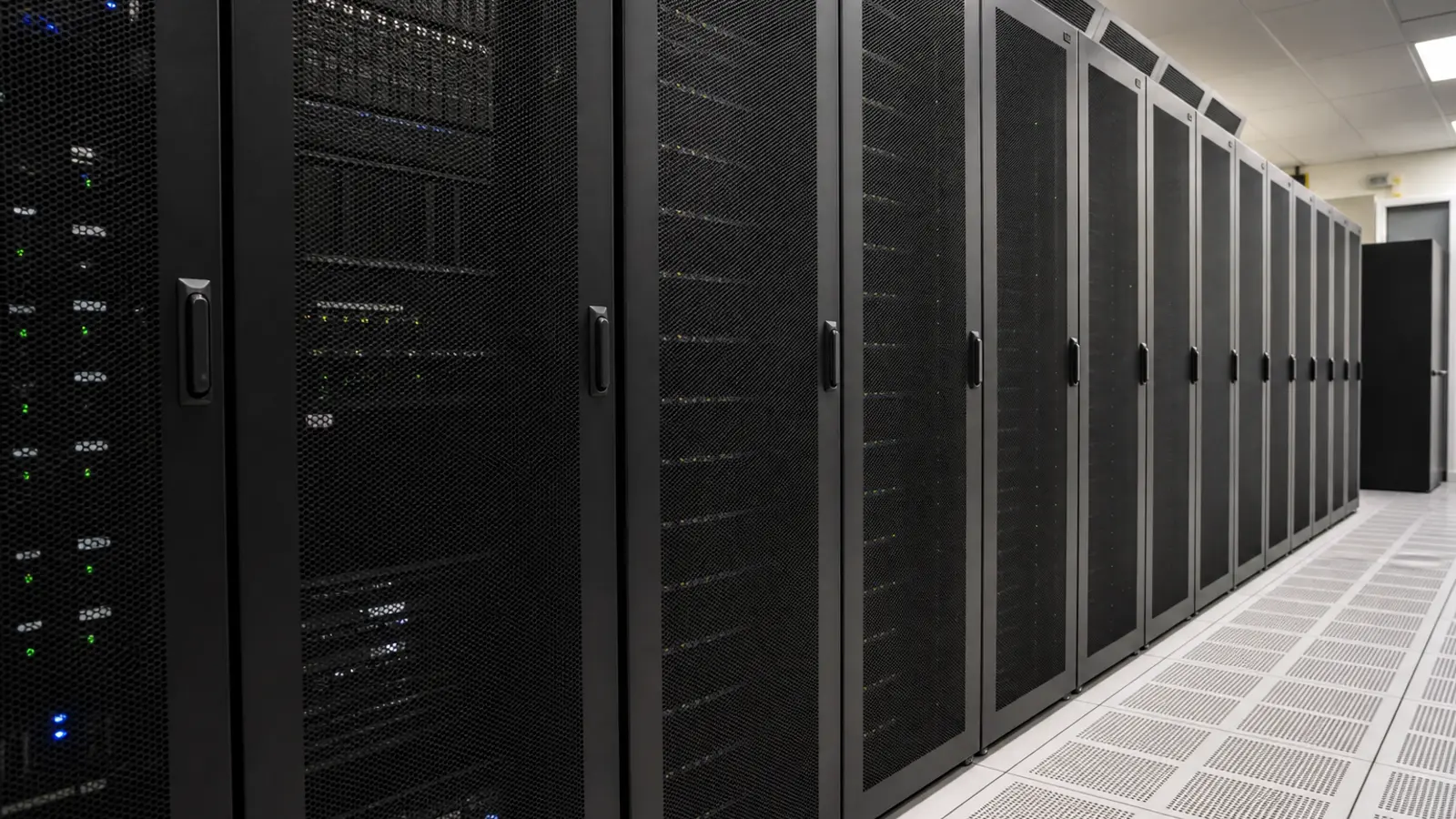
Nvidia and Palantir Technologies (NASDAQ: PLTR) said they are launching a strategic initiative to deploy Nvidia’s open Nemotron models inside secure, sovereign environments for U.S. government agencies and critical infrastructure operators, a move that pushes both companies deeper into regulated and classified AI deployments.
The companies said the joint offering is designed for customers that need to train models on their own data, retain ownership of the resulting models, and run them inside classified or air-gapped environments. That matters because public-sector and national security buyers often face tighter data-control, security, and deployment requirements than commercial cloud users.
Under the initiative, Nvidia is integrating its accelerated computing, CUDA-X libraries, open-source Nemotron models, NIM microservices, and AI Enterprise software with Palantir’s AIP, Foundry, Apollo, and Ontology platforms. Nvidia described the result as an integrated technology stack for operational AI aimed at complex enterprise and government systems.
Palantir said its new intelligent engine will use Nvidia Nemotron open models to serve U.S. government agencies on Nvidia accelerated computing, including in air-gapped environments. The companies said the architecture allows agencies to customize models on their own infrastructure while keeping full ownership of the resulting model weights.
The security features highlighted in the announcement included explicit data authorization, customer-specific isolation, secure perimeter enforcement, data portability, right to erasure, and full auditability. The companies said those controls are intended to let agencies use sensitive operational data to train and refine models without exposing confidential information.
Palantir co-founder and Chief Executive Alex Karp said the initiative would let the U.S. government “unleash the full power of LLMs while removing the underlying security risks and rational concerns around proprietary insights migrating into the weights of closed models.” Nvidia Chief Executive Jensen Huang said open-source AI is “foundational to national security, public safety and U.S. technology leadership,” adding that the partnership gives agencies “a secure, customizable and fully controlled foundation to build mission-critical AI systems.”
The announcement builds on a previously disclosed Sovereign AI Operating System Reference Architecture between the two companies. Nvidia also said Palantir AIP will be supported in its new AI Factory for Government reference design, announced separately the same day.
For investors, the significance is strategic rather than financial, at least for now. Neither company disclosed contract value, customer count, expected revenue contribution, or timing for material deployments. Claims circulating elsewhere about a multibillion-dollar figure or a specific Army agreement were not supported by the primary materials tied to this announcement.
For Nvidia (NASDAQ: NVDA), the initiative expands its AI stack beyond commercial cloud and enterprise use into sovereign and security-sensitive installations, an area where compute, software, and model control can matter as much as raw performance. For Palantir, it reinforces the company’s position as a software layer for government AI workflows in defense, intelligence, and other high-compliance settings.
The deal also underscores a broader market theme. In government AI, open models, local deployment, and control over data and model weights are becoming central requirements, not optional features. Nvidia and Palantir are now trying to make that architecture easier for agencies to buy and deploy.
Get trusted financial analysis, breaking market news, and expert commentary delivered directly to your inbox every morning.