Business
Raytheon Wins $745 Million MDA Contract for SM-3 IIA Interceptors
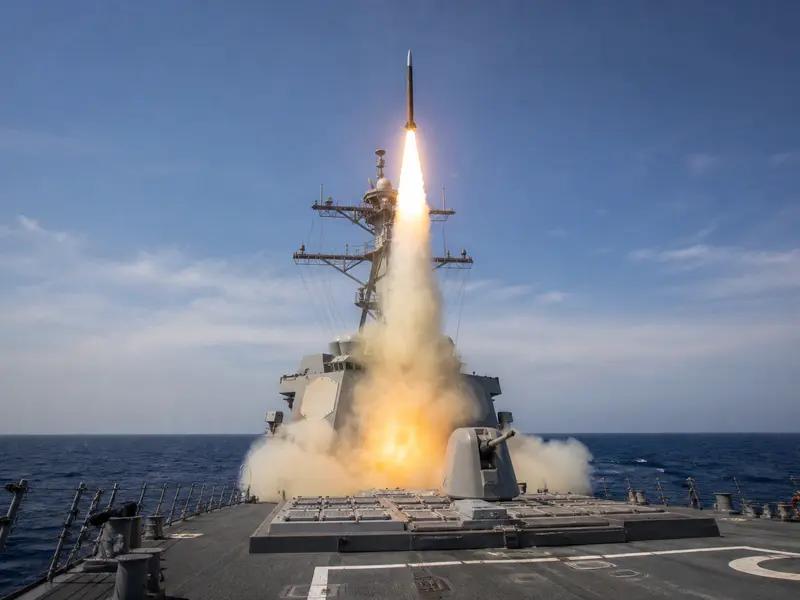
Raytheon, an RTX business, won a $745 million Missile Defense Agency contract for SM-3 IIA interceptor production and sustainment through 2031.
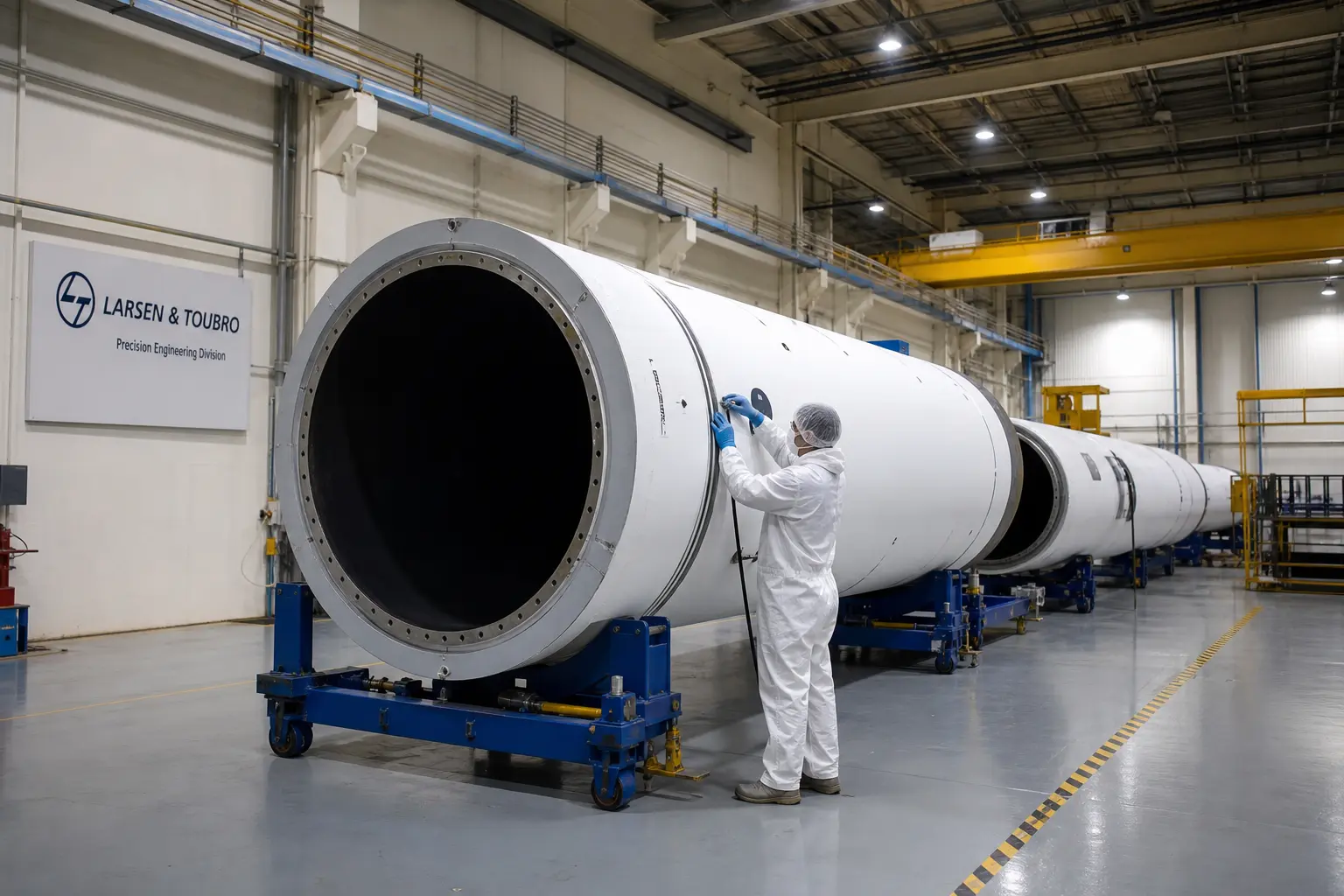
Northrop Grumman (NYSE: NOC) said on Aug. 3 it signed two multi-year framework agreements worth more than $3 billion to expand production of components for the Patriot PAC-3 Missile Segment Enhancement and THAAD missile defense systems. The agreements run for seven years and were arranged with the U.S. Department of Defense and Lockheed Martin, the prime contractor for both interceptor programs.
The deals give Northrop a larger role in two of the Pentagon's highest-priority air and missile defense programs as the U.S. and allies push to rebuild stockpiles and lift production capacity. They add a long-duration revenue pipeline in solid rocket motors and related components, though actual sales will depend on future task orders and funded production lots.
The larger of the two agreements, valued at about $2 billion, covers PAC-3 MSE work. Under that framework, Northrop will supply solid rocket motors and ignition safety devices used in the interceptor. The company said it will raise production rates at its Allegany Ballistics Laboratory in Rocket Center, West Virginia, over the life of the agreement.
The second framework, valued at about $1 billion, covers THAAD components and will support a large increase in monthly deliveries over the same seven-year period. Pentagon and industry reporting around the agreements has described the broader goal as quadrupling THAAD component output and establishing Northrop as a second source of PAC-3 solid rocket motors, adding redundancy to a supply chain that has been under pressure.
The two agreements are framework arrangements rather than single, fully funded contracts. That distinction matters for investors. They set terms, pricing and production commitments that can support capacity expansion, but revenue and cash flow will be recognized as specific orders are placed and executed.
The frameworks fit a wider Pentagon effort to use multi-year arrangements to give defense manufacturers enough demand visibility to justify factory, equipment and workforce investment. Northrop has already been expanding its missile production footprint. Company statements and investor materials indicate increased capacity at facilities in West Virginia, Utah and Maryland, with additional THAAD motor work tied to San Diego.
Solid rocket motor capacity has become strategically important, and Northrop is already a major supplier across missiles, space and defense systems. A larger role in PAC-3 MSE and THAAD could deepen its place in the missile defense value chain while reducing single-supplier risk for the government.
Shares of Northrop rose about 1.4% to 1.5% on the day of the announcement, according to market reports. Lockheed Martin also gained roughly 1.5%.
The agreements do not convert immediately into $3 billion of booked revenue, but they improve long-term demand visibility in a priority defense segment. The open questions are how quickly Northrop can translate that visibility into funded orders, higher output and consistent execution across its expanding production base.
Get trusted financial analysis, breaking market news, and expert commentary delivered directly to your inbox every morning.