Business
Raytheon Wins $745 Million MDA Contract for SM-3 IIA Interceptors
Raytheon, an RTX business, won a $745 million Missile Defense Agency contract for SM-3 IIA interceptor production and sustainment through 2031.
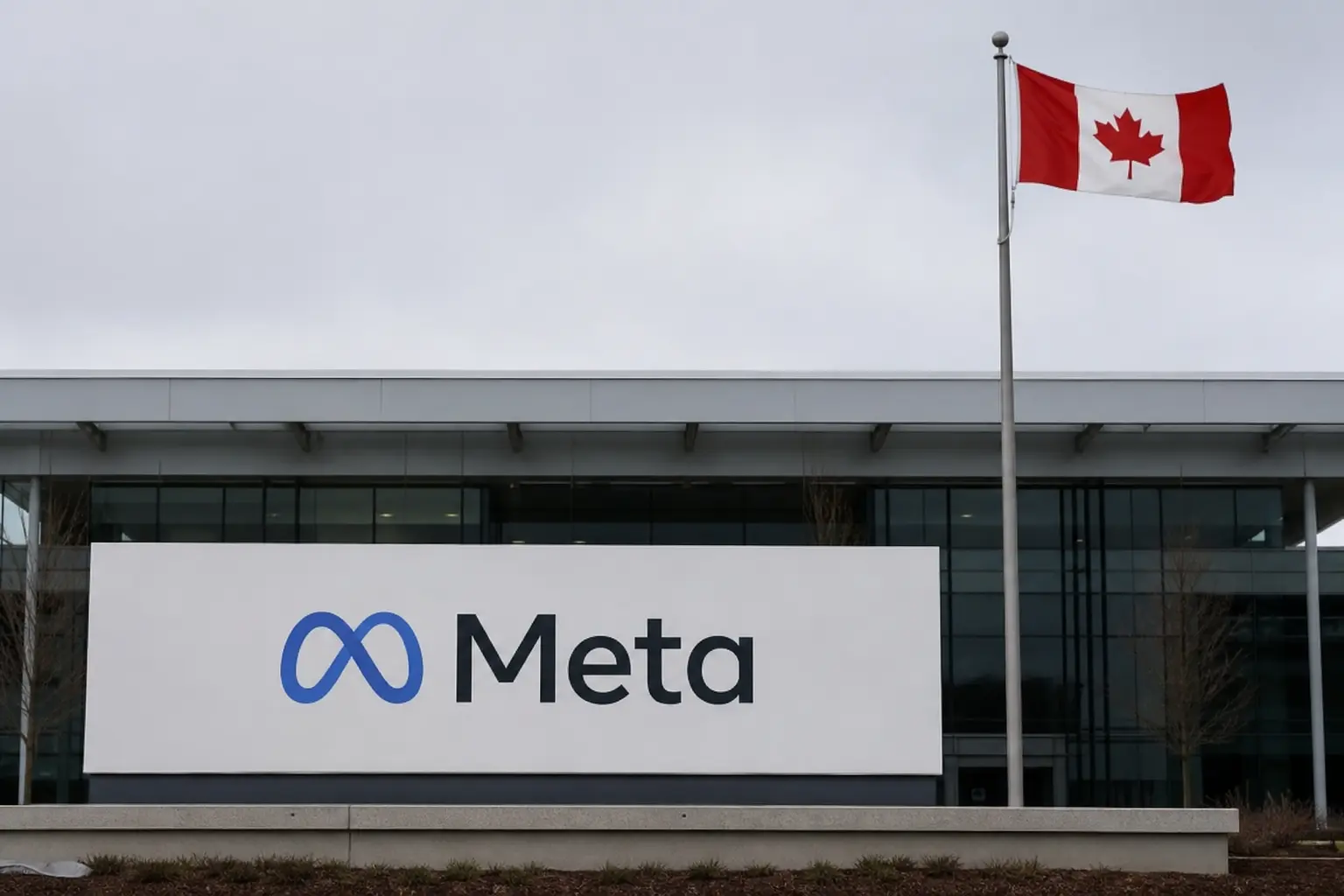
Meta Platforms (Nasdaq: META) said it will invest more than C$13 billion, about US$9.1 billion, to build its first AI-optimized data center in Canada, a 1-gigawatt campus in Sturgeon County, Alberta, that will become its largest facility outside the United States.
The commitment adds to Meta's already elevated AI infrastructure spending as the company weighs new ways to monetize compute capacity beyond its core advertising business. It also signals that hyperscale AI investment is expanding beyond the U.S., with power access and build speed becoming as important as chip supply.
Meta said the campus will be its 33rd data center globally and will support AI workloads across its products and research, including its social platforms, business tools, wearables and large language models. The company said it is breaking ground now.
The site sits in the Alberta Industrial Heartland, northeast of Edmonton. Meta describes it as a 1GW facility, while other reports said it could scale to as much as 1.8GW over time. A Meta spokesperson said the campus will span about 2.9 million square feet on roughly 1,750 acres and is expected to come online in the next two to three years, though the company has not given a firm in-service date.
Power supply is central to the project. Alberta officials have said the provincial grid cannot support multiple large AI data centers on its own, pushing developers to secure dedicated generation. The Meta site is expected to be backed largely by natural gas, including the planned 932-megawatt Greenlight Electricity Center being developed by a consortium that includes Pembina Pipeline, Morgan Stanley Infrastructure Partners and Kineticor Asset Management. The Greenlight plant is expected to start operating in the second half of 2030.
Meta said it will use a closed-loop liquid cooling system with dry cooling to eliminate operational water use, addressing a common source of opposition to hyperscale data centers. The reliance on gas-fired power may still draw environmental scrutiny.
The project will support more than 3,000 construction workers at peak and more than 300 permanent operating jobs, the company said. Meta also plans to spend about C$60 million on local infrastructure, including roads and water systems, and to provide grants and funding to local nonprofits.
The Alberta buildout fits a broader pattern of aggressive AI capital deployment. Meta has said it expects to spend $125 billion to $145 billion this fiscal year on data centers and related expenses. That spending has become a central investor debate: bulls see it as necessary to secure long-term AI capacity, while the near-term concern is that monetization may lag the pace of spending, pressuring margins.
The project also adds weight to reports that Meta is exploring a cloud-like business to sell excess computing capacity or hosted AI access to outside customers. If that effort advances, the company would move closer to direct competition with cloud providers including Amazon, Microsoft and Alphabet, as well as AI-focused specialists such as CoreWeave.
For now, the Alberta announcement is a capex story first. It expands Meta's global AI footprint with one of its largest facilities yet and raises the bar again for how much infrastructure the biggest AI companies are willing to fund to secure computing power.
Get trusted financial analysis, breaking market news, and expert commentary delivered directly to your inbox every morning.