Business
Raytheon Wins $745 Million MDA Contract for SM-3 IIA Interceptors
Raytheon, an RTX business, won a $745 million Missile Defense Agency contract for SM-3 IIA interceptor production and sustainment through 2031.
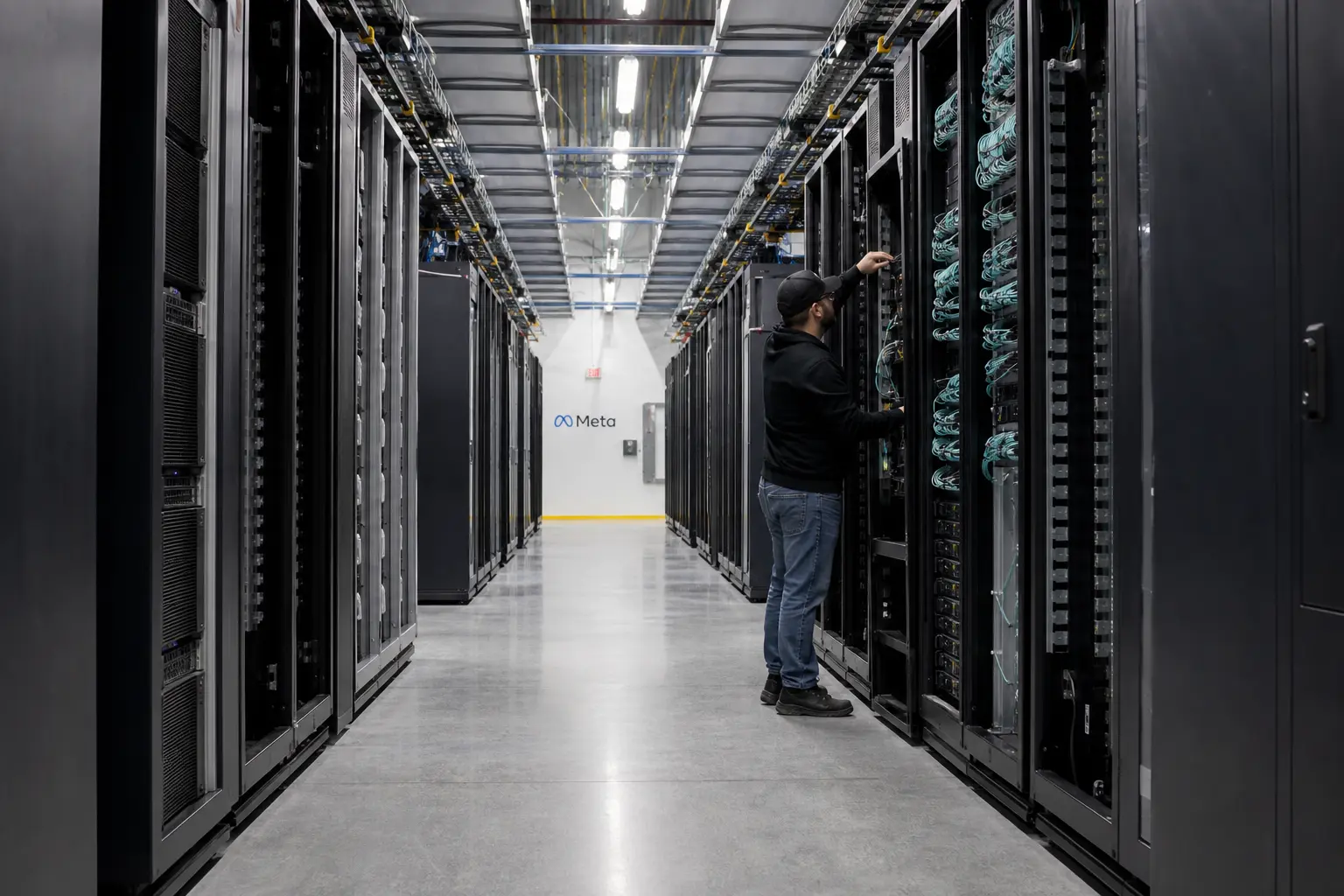
Meta Platforms (NASDAQ: META) plans to begin production of its custom IRIS artificial-intelligence chip in September 2026, according to an internal company memo reported by Reuters, a step that would advance the company's effort to build more of its AI infrastructure in-house.
The chip, code-named IRIS, is a data-center accelerator under Meta's Meta Training and Inference Accelerator, or MTIA, program. Reuters reported that the memo described IRIS as part of a four-generation in-house silicon roadmap and said the chip completed bug testing in about six weeks without significant problems.
The target matters because Meta is one of the largest buyers of AI computing infrastructure. A working internal accelerator could give it more control over the cost and performance of workloads that now rely heavily on third-party chips. It also has implications for the supply chain around custom AI silicon, particularly design services and advanced foundry capacity.
Meta is developing IRIS with Broadcom, while Taiwan Semiconductor Manufacturing Co. will manufacture the chip, according to the reported memo and subsequent industry coverage that cited it. That places IRIS within a model used by hyperscale technology groups, where internal chip teams define workload-specific designs and external partners handle parts of design execution and fabrication.
Meta is tying the chip effort to a broader buildout of AI capacity. The company has said it expects about 7 gigawatts of AI computing infrastructure in 2026 and aims to double that to roughly 14 gigawatts by 2027. Reuters previously reported parts of that expansion plan, and later corrections in secondary coverage noted that some interim gigawatt figures had been misstated, a sign that the pace of the buildout remains subject to revision.
IRIS is intended for Meta's internal AI workloads, including inference and recommendation systems, and is described as a supplement to the Nvidia and AMD graphics processors the company continues to buy in large volumes. That distinction is important. Even if Meta brings IRIS into production on schedule, there is no clear evidence that it plans a near-term break from external GPU suppliers for broad training and other compute-intensive AI tasks.
For investors, the immediate read-through is less about displacement and more about vertical integration. Custom accelerators can be better suited to specific workloads than general-purpose GPUs, particularly in inference, where efficiency and power consumption matter at scale. If Meta can deploy IRIS successfully, it could lower the unit cost of serving AI features across Facebook, Instagram, WhatsApp and related products while reducing some exposure to external chip pricing and supply constraints.
The news also strengthens the case for Broadcom's custom-chip design business and for TSMC's role as the main manufacturing platform for advanced AI semiconductors beyond merchant GPUs. A larger pool of customer-specific AI chips would broaden demand across the AI hardware stack rather than concentrate it in a few standard chip vendors.
Some secondary reports have attached unverified claims about specific memory, storage and optical suppliers to the IRIS program, along with estimates for the process node and packaging technology. Those details have not been established in primary reporting and remain uncertain.
The direction is clearer than the detail. Meta is committing more capital and engineering effort to custom silicon at a time when the largest AI operators are trying to align chip design more closely with their own workloads and economics. IRIS does not remove Meta from the external AI chip market, but it adds another signal that the biggest buyers want a larger role in designing the hardware they run.
Get trusted financial analysis, breaking market news, and expert commentary delivered directly to your inbox every morning.