
Business
Raytheon Wins $745 Million MDA Contract for SM-3 IIA Interceptors
Raytheon, an RTX business, won a $745 million Missile Defense Agency contract for SM-3 IIA interceptor production and sustainment through 2031.
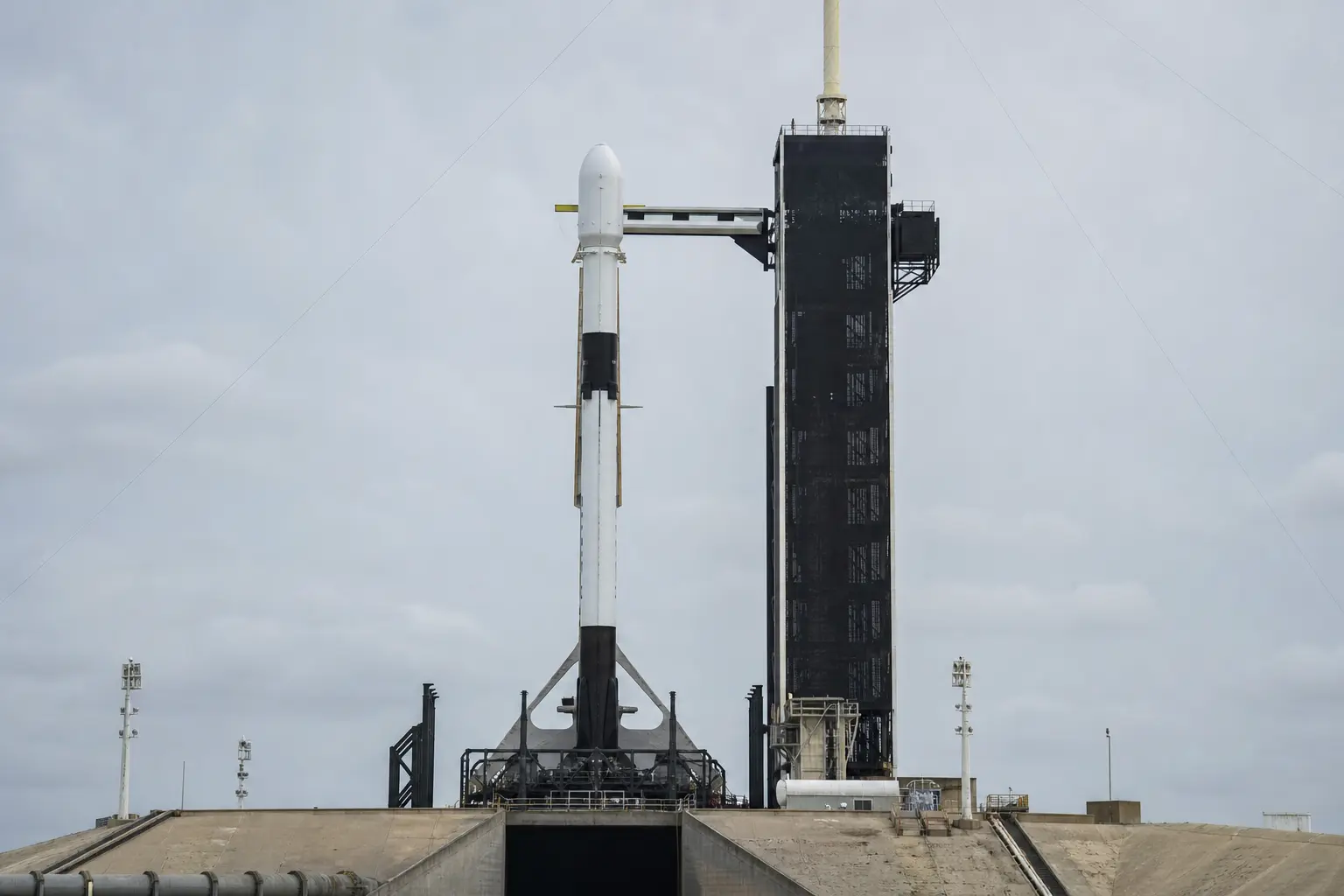
Wall Street banks initiated broad post-IPO coverage of SpaceX (NASDAQ: SPCX) with bullish ratings as the stock's quiet period expired, giving public-market investors their first coordinated read from major brokers on how to value the company after its June listing.
JPMorgan, Goldman Sachs, Morgan Stanley, Bank of America, UBS and Deutsche Bank all began coverage with positive recommendations. The initiations arrive as SpaceX joins the Nasdaq-100, a move that could drive sizable passive fund demand.
JPMorgan started at Overweight with a $225 price target. Goldman Sachs initiated at Buy with a $205 target, and Morgan Stanley at Overweight with a $300 target. Bank of America set a Buy rating and a $235 target, while UBS and Deutsche Bank began at Buy with targets of $210 and $255, respectively. Mizuho, RBC Capital Markets, Bernstein and Macquarie also initiated with positive recommendations.
Most targets sit above the current share price. Shares recently traded in the mid-$140s to low-$150s, below earlier highs and not far above the $135 IPO price. Goldman's $205 target implied roughly 28% upside from a July 6 close of $160.42, while consensus targets sat in the low-$200s.
Not every firm is bullish. MoffettNathanson initiated at Neutral with a $131 target. Even so, market data services show an overwhelming majority of Buy or equivalent ratings.
SpaceX went public on June 12, raising $75 billion at $135 a share. The quiet-period expiration cleared underwriters and other banks to publish formal research, and many moved quickly. Its addition to the Nasdaq-100 added a further catalyst.
JPMorgan estimated that index inclusion could bring about $4.3 billion in passive inflows as benchmarked funds and ETFs adjust holdings, giving SPCX a second support pillar beyond analyst sentiment as early trading cools from opening-day levels.
SpaceX has also secured investment-grade credit ratings, with S&P Global Ratings assigning BBB and Moody's assigning Baa1, both with stable outlooks. The ratings reflect equity and credit markets treating the company as a large-scale institutional issuer rather than a speculative new listing.
The bullish coverage does not remove valuation risk for a company that reached a market capitalization above $2 trillion soon after listing. But it signals that major banks see enough scale in launch services, Starlink connectivity and related infrastructure to support targets above the current price, leaving SPCX with cooling near-term price action, strong sell-side backing and an index-driven demand tailwind.
Get trusted financial analysis, breaking market news, and expert commentary delivered directly to your inbox every morning.