Business
Raytheon Wins $745 Million MDA Contract for SM-3 IIA Interceptors
Raytheon, an RTX business, won a $745 million Missile Defense Agency contract for SM-3 IIA interceptor production and sustainment through 2031.
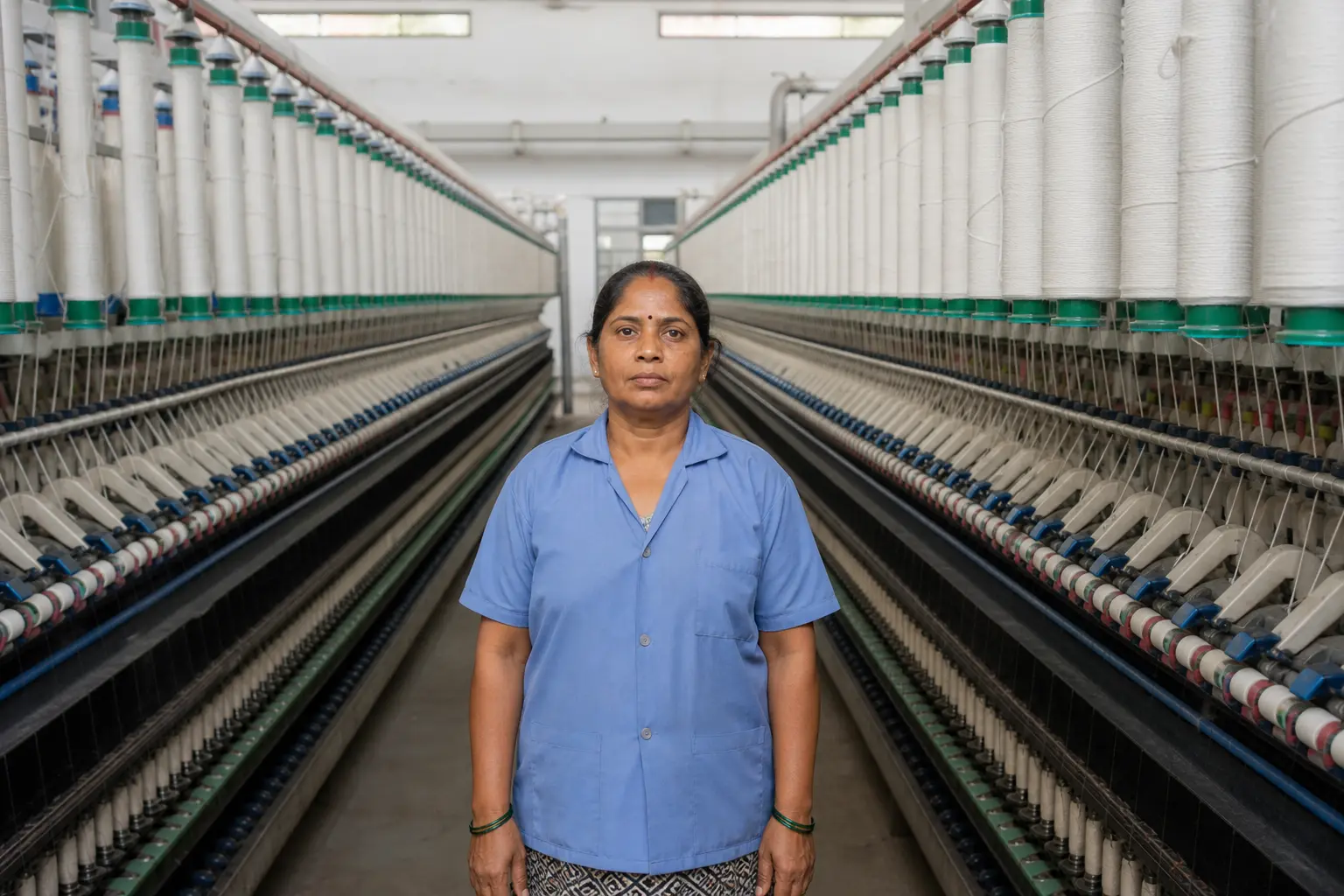
India has temporarily removed its 11% import duty on raw cotton from June 1 through end-October 2026, giving textile mills and apparel manufacturers a five-month window to source overseas supplies at lower cost.
The Finance Ministry's revenue department issued the measure in a notification dated May 30, 2026, using powers under the Customs Act and Finance Act that allow exemptions in the public interest. The exemption applies to raw cotton under HS code 5201, covering cotton that is not carded or combed.
Cotton is a core input for India's textile chain, and the suspension directly reduces landed raw-material costs for spinners, fabric makers and garment exporters. It is also likely to lift import demand from major exporting origins such as the U.S., Brazil and Australia during the waiver period.
Before the waiver, imported cotton faced an effective 11% levy, comprising 5% basic customs duty, 5% Agriculture Infrastructure and Development Cess and, in prior calculations, a 1% social welfare surcharge.
The government framed the decision as a supply and cost measure. Official statements said the exemption is intended to improve cotton availability, reduce input costs and support competitiveness. The textiles ministry said the relief should benefit smaller manufacturers that are more exposed to swings in fibre prices.
Industry groups welcomed the move. The Apparel Export Promotion Council said the exemption should reduce input costs across the textile and apparel chain at a time when downstream producers have faced pressure from higher cotton and yarn prices. The Southern India Mills' Association described it as relief for the full cotton textile value chain.
For investors, the near-term read-through is strongest for cotton-intensive manufacturers rather than growers. Lower raw-material costs can support margins for spinning mills, integrated producers and garment exporters, particularly those that rely on contamination-free imported cotton for export orders. The waiver may also encourage companies to advance purchases before the window closes.
The broader trade effect could be significant. Reuters reported that export-oriented mills could import around 600,000 bales during the duty-free period. Prior waivers redirected buying toward overseas suppliers and improved access to higher-quality cotton, though gains may be moderated by currency moves and uncertainty around U.S. tariff policy toward Indian textile shipments.
The decision follows a pattern rather than a permanent shift. India used temporary cotton duty waivers in 2022 and again in 2025, when higher fibre costs and export pressure prompted similar relief. That history points to a tactical tool tied to market conditions, not a structural liberalisation of cotton imports.
The main risks are the measure's temporary nature and the domestic political response. Grower groups have argued that cheaper imported cotton can pressure local prices, raising the possibility of further intervention or offsetting support if domestic conditions weaken.
Get trusted financial analysis, breaking market news, and expert commentary delivered directly to your inbox every morning.