Business
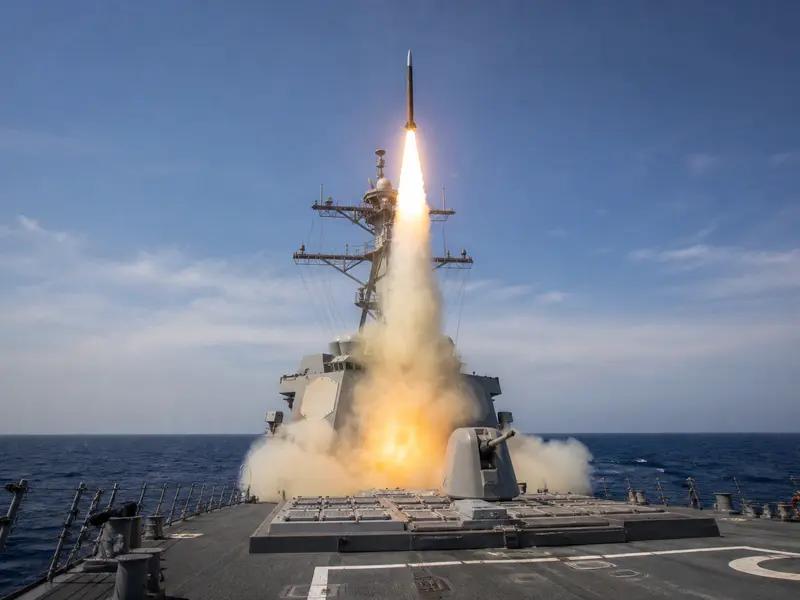
Raytheon Wins $745 Million MDA Contract for SM-3 IIA Interceptors
Raytheon, an RTX business, won a $745 million Missile Defense Agency contract for SM-3 IIA interceptor production and sustainment through 2031.
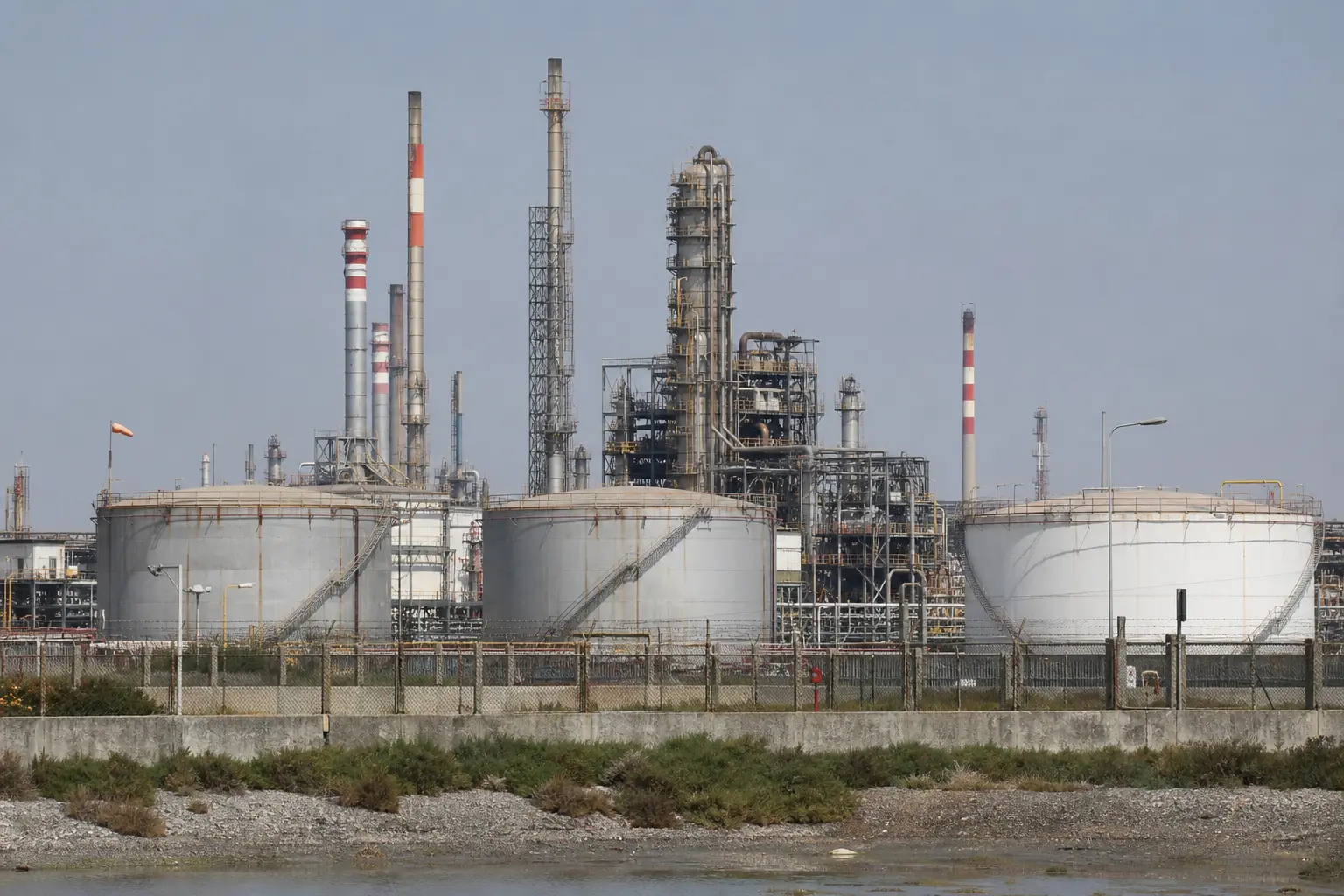
India will continue buying Russian crude despite President Donald Trump's threat of penalties, signaling no change in procurement policy for one of the world's largest oil importers.
Indian officials said the government has not instructed state-run or private refiners to reduce purchases from Russia. Foreign ministry spokesperson Randhir Jaiswal did not directly address Trump's warning, but his comments indicated New Delhi's position remains unchanged.
Trump said the U.S. could raise tariffs on India if it does not curb Russian oil purchases. CNBC reported he announced a 25% tariff starting Aug. 1, along with an additional unspecified penalty tied to those purchases. Reuters separately reported Trump said India had been told he was displeased and warned that Washington could swiftly increase tariffs.
India is prioritizing price and supply security. Russian crude has traded at a discount to other grades for much of the period since Western buyers pulled back, giving Indian refiners an economic incentive to keep taking cargoes. One Indian official said the government had not issued any instructions to oil companies to cut Russian imports.
That leaves a major part of the post-2022 oil trade intact. India has become one of the largest buyers of seaborne Russian crude since 2022, absorbing barrels displaced from Europe after the invasion of Ukraine, and its continued buying helps sustain Russia's export volumes and revenue. Preliminary June data cited by Reuters showed India imported about 2.70 million barrels per day of Russian crude, with Russia accounting for more than half of total crude imports. Kpler estimated June imports from Russia were on track to reach about 2.35 million barrels per day, near a record.
Before the Ukraine war, Russia was a minor supplier, at about 2.5% of India's crude imports, according to CNBC. That share rose sharply after European demand fell and discounts widened. India is the world's third-largest oil importer and consumer, so its sourcing decisions directly affect seaborne crude flows, freight demand and the spread between Russian grades and other benchmarks.
The near-term implication for investors is higher policy uncertainty rather than a physical supply disruption. If India keeps buying and Washington follows through with trade penalties, the pressure would likely show up first in tariffs, shipping patterns, insurance and refining margins rather than in lost barrels. That can keep a geopolitical risk premium in oil prices even when supply-demand balances appear loose.
The episode also highlights a constraint on U.S. pressure campaigns in energy markets. As long as large consumers buy discounted Russian crude on economic grounds, Russian exports can keep finding homes, limiting the impact of threats that stop short of removing supply. Whether Washington escalates beyond rhetoric remains uncertain. For now, India has signaled it is not changing course.
Get trusted financial analysis, breaking market news, and expert commentary delivered directly to your inbox every morning.