Business
Raytheon Wins $745 Million MDA Contract for SM-3 IIA Interceptors
Raytheon, an RTX business, won a $745 million Missile Defense Agency contract for SM-3 IIA interceptor production and sustainment through 2031.
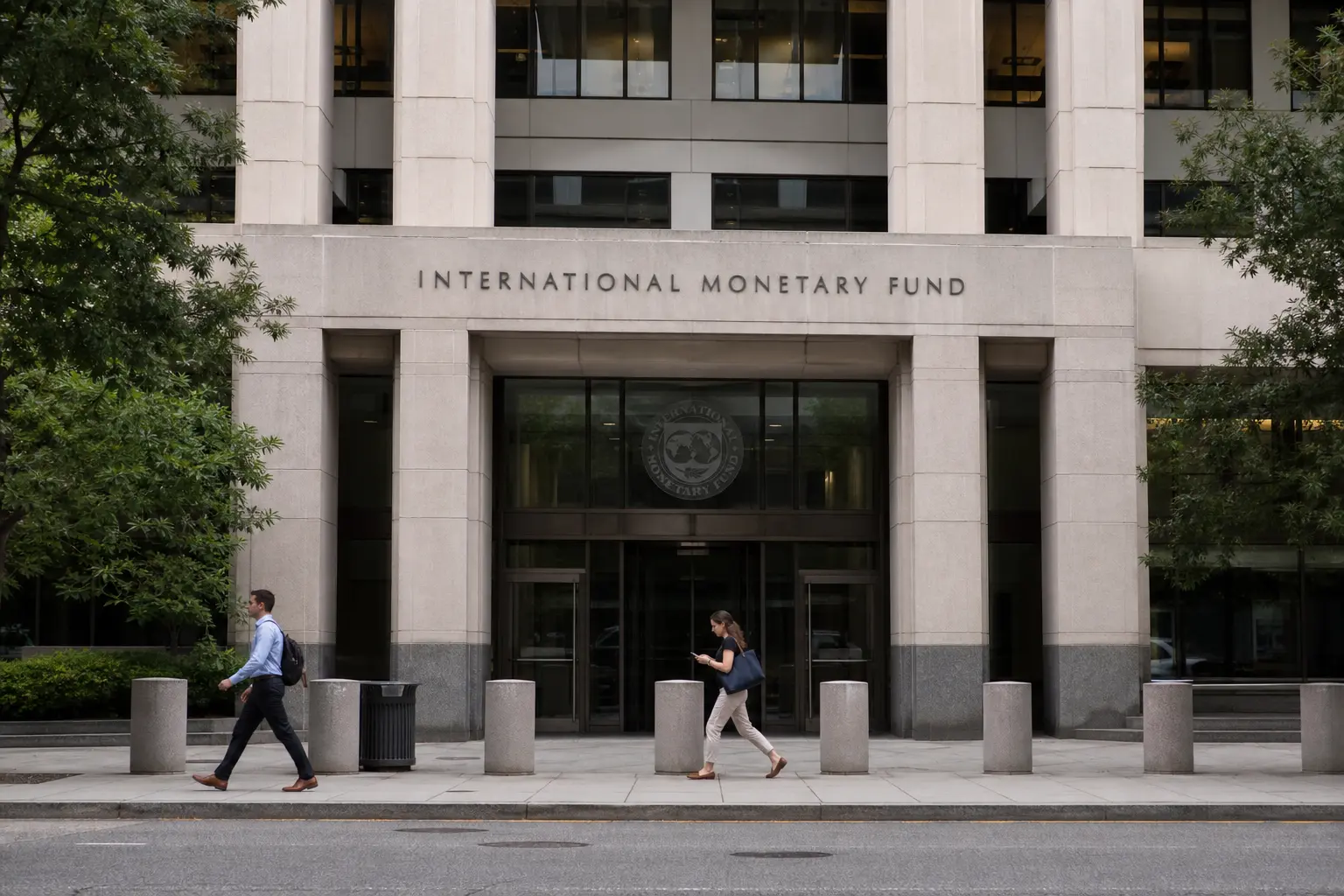
The International Monetary Fund said global disinflation has stalled, raising its 2026 headline inflation forecast to 4.7% and trimming its 2026 global growth projection to 3.0% in its July 8 World Economic Outlook update.
The revisions complicate the path for central banks that had been expected to keep easing as inflation cooled. For investors, the update points to a tougher backdrop for bonds and rate-sensitive equities, with higher odds that policy stays restrictive for longer if price pressures persist.
The IMF said global headline inflation is expected to rise from 4.1% in 2025 to 4.7% in 2026 before easing to 3.9% in 2027. That is a 0.3 percentage point increase for 2026 and a 0.2 point increase for 2027 relative to its April outlook. The fund said these projections indicate that the disinflation trend in place since the beginning of 2024 has stalled.
On growth, the IMF forecast global output expanding 3.0% in 2026 and 3.4% in 2027. It said that was broadly unchanged from April on a cumulative basis, but the near-term profile is weaker. The 2026 figure is down from 3.1% in April and 3.3% in the January update.
At the July 8 briefing, IMF officials said the world economy had weathered the shock from the war in the Middle East better than feared so far, with limited evidence of second-round effects. The fund said the conflict's energy impact remains central to the inflation story.
The IMF projected the average petroleum spot price index at $89 a barrel in 2026, 9% above the assumption in its April reference forecast. It said higher energy and food prices were the main drivers of the inflation revision. Global headline inflation rose year over year in May for a third straight month, breaking the downward pattern seen since early 2024.
The fund described the outlook as uneven across countries, with headwinds from the war and tailwinds from a technology upcycle tied to AI-related investment and demand. That leaves markets balancing two forces. Higher commodity prices and renewed inflation pressure argue for tighter financial conditions, while stronger technology spending cushions global activity and supports countries in that supply chain.
The July update extends a change in the IMF's narrative this year. In January, the fund expected global headline inflation to fall to 3.8% in 2026. In April, under a reference scenario built around a short-lived conflict in the Middle East, it saw 2026 inflation at 4.4%. The latest update now puts that figure at 4.7%.
For markets, the practical implication is greater uncertainty around the timing and extent of rate cuts. If inflation expectations rise with energy prices, short-dated yields could stay elevated and term premia may remain under pressure. Emerging markets and developing economies also face a harder mix of higher borrowing costs, tighter external financing and renewed debt strain.
The IMF said risks are more balanced than in April, but it still pointed to threats from renewed conflict, trade fragmentation and financial market repricing, including around expectations for AI. That leaves investors with slower growth, firmer inflation and less clarity on how quickly monetary policy can normalize.
Get trusted financial analysis, breaking market news, and expert commentary delivered directly to your inbox every morning.