Business
Raytheon Wins $745 Million MDA Contract for SM-3 IIA Interceptors
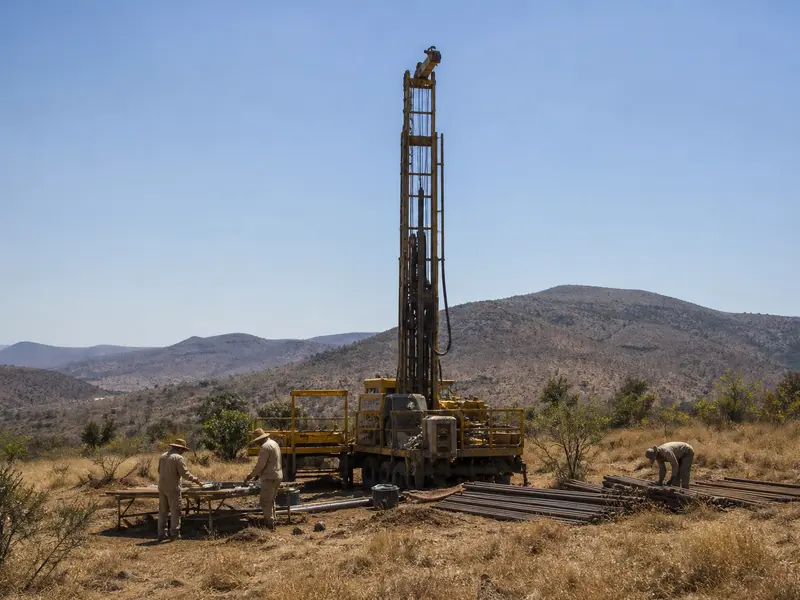
Raytheon, an RTX business, won a $745 million Missile Defense Agency contract for SM-3 IIA interceptor production and sustainment through 2031.
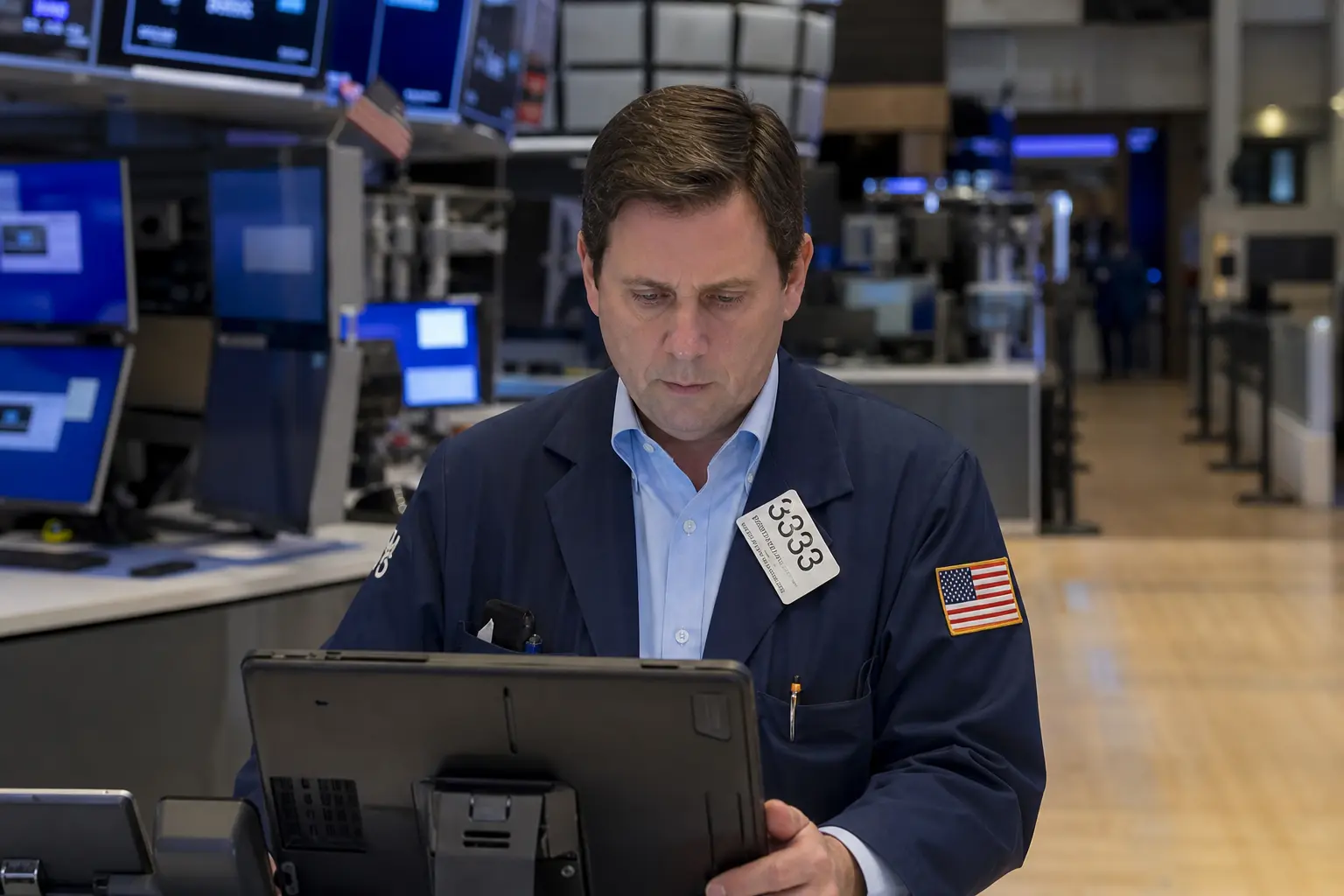
Global announced mergers and acquisitions reached a record $2.8 trillion in the first half of 2026, up 48% from a year earlier, the strongest year-to-date start since LSEG records began in 1980.
LSEG data show 47 transactions worth more than $10 billion were announced in the six months through June, with a combined value above $1.3 trillion. Those deals made up nearly half of global M&A volumes, the highest share on record.
The number of deals moved the other way. About 24,000 transactions were announced globally in the first half, down 9% from the same period in 2025 and the lowest first-half tally in six years.
That divergence points to a market driven by large strategic combinations rather than broad-based dealmaking. Companies pursued transformative acquisitions tied to artificial intelligence, power demand, infrastructure buildout and portfolio restructuring, while smaller and mid-sized deals stayed uneven.
Technology was the largest sector, with $649 billion of announced transactions. Cross-border dealmaking reached $893 billion, up 62% year-on-year and the strongest opening to a year since 2018.
Among the largest deals were NextEra Energy's proposed $66.8 billion merger with Dominion Energy and SpaceX's roughly $60 billion acquisition of Cursor, underscoring where buyers committed capital at scale: electricity networks, energy transition assets, AI-related infrastructure and data capacity.
The financing backdrop supported bigger transactions. Global investment-grade corporate debt issuance reached $3.4 trillion in the first half, up 10% from a year earlier and a record for the period, leaving highly rated acquirers with substantial access to funding even as borrowing costs weighed on deal economics.
For investors, the figures signal less a broad M&A recovery than a small group of very large companies reshaping industry structures. In equity markets, that concentrates the impact in large-cap names, where regulatory approvals, integration risk and balance-sheet changes bear directly on earnings and valuations.
The trend also affects banks and debt markets. Advisers exposed to large cross-border and sector-defining deals stand to gain higher fees, while credit investors will watch how acquisition financing affects leverage, ratings and refinancing needs.
Regional flows show wider cross-border appetite. EMEA dealmaking rose to $676 billion in the first half, more than double a year earlier and the highest in 19 years.
The question for the second half is whether record value can hold if financing conditions tighten or regulators turn less accommodating. For now, the pattern is clear: global M&A is rising because boards are doing fewer deals, but much bigger ones.
Get trusted financial analysis, breaking market news, and expert commentary delivered directly to your inbox every morning.