
Business
Raytheon Wins $745 Million MDA Contract for SM-3 IIA Interceptors
Raytheon, an RTX business, won a $745 million Missile Defense Agency contract for SM-3 IIA interceptor production and sustainment through 2031.
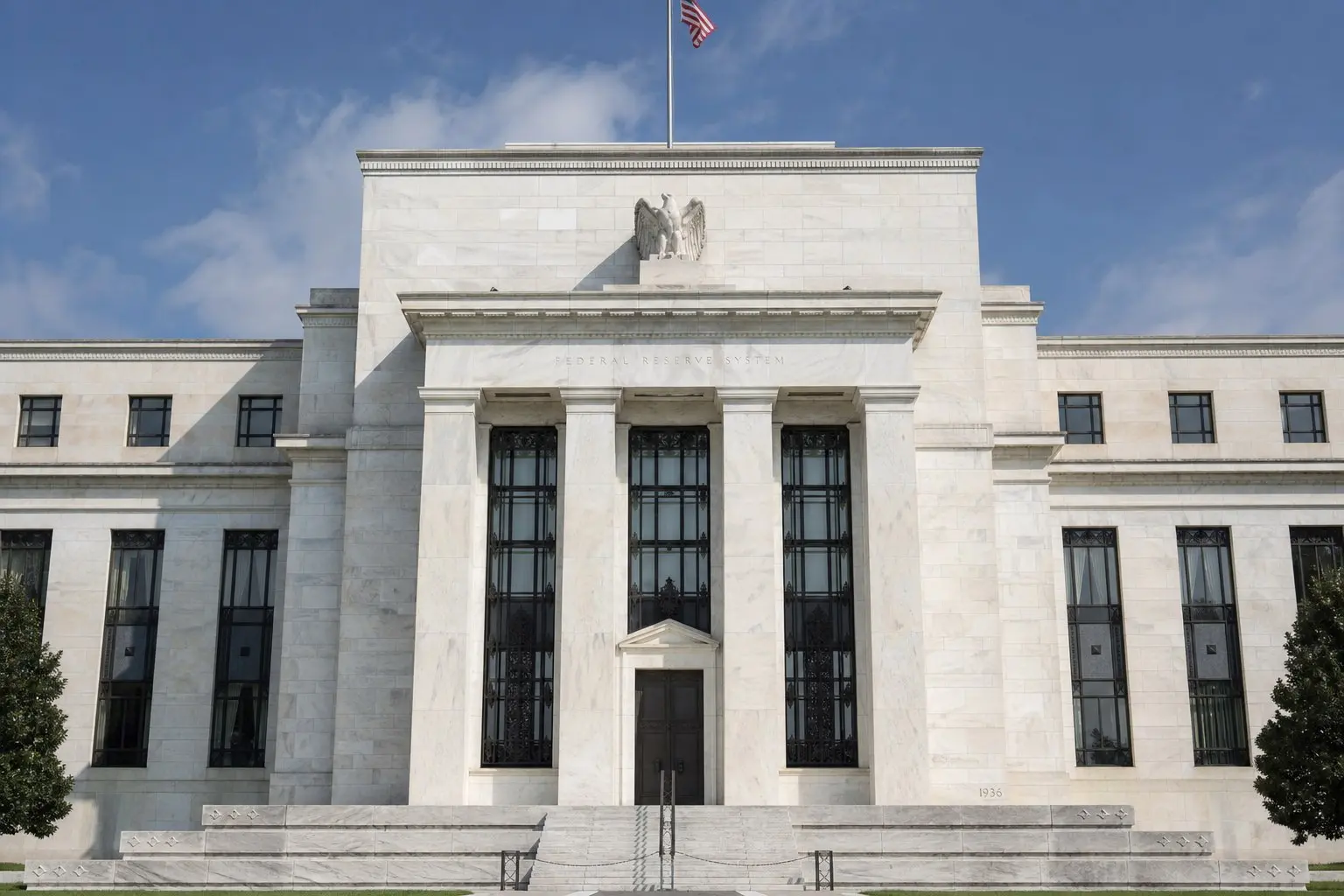
Fed funds futures now imply the effective federal funds rate will rise from about 3.62% to roughly 3.8% by October 2026, a path that points to at least one Federal Reserve rate increase from current settings, according to StreetStats data as of July 10.
The fed funds curve anchors expectations across money markets, Treasury yields and equity discount rates. A shift from pricing rate cuts to pricing a hike can change the return investors demand from bonds, equities and credit.
StreetStats' exact curve values could not be verified directly from its site, but public futures data support the signal. CME Group's October 2026 30-Day Fed Funds futures contract traded around 96.19 on July 10. Under the standard contract convention, that implies an average overnight rate of about 3.81% for the month.
That compares with an effective federal funds rate near 3.62% to 3.63% in recent data. The New York Fed's effective rate, as reflected in St. Louis Fed data, averaged 3.63% in June. MacroMicro showed 3.62% as of July 8.
The pricing indicates investors now see policy ending up modestly above today's effective rate by early autumn, rather than easing further.
The futures curve also matches the Fed's own guidance. In its June 17 Summary of Economic Projections, the Federal Reserve published a median 2026 federal funds rate projection of 3.8%. The market path implied by StreetStats and corroborated by CME now sits broadly in line with that median view.
The current target range for the federal funds rate remains 3.50% to 3.75%, with the effective rate near the middle of that band. An implied rate near 3.8% by October suggests investors assign meaningful odds to at least one 25 basis point increase, or to a path that keeps the effective rate higher within a revised target range.
That is a firmer stance than some earlier private-sector expectations for easing through 2026. BlackRock's iShares unit said earlier this year that the most likely path was for the Fed to bring rates down toward 3% over the course of 2026. Current futures pricing points in the opposite direction.
For fixed income, the repricing can feed directly into short-dated Treasury yields, cash returns and duration positioning. If investors expect the policy rate closer to 3.8% than 3.0%, they may demand higher yields across parts of the curve and reassess short-duration and intermediate-duration bonds.
For equities, a higher expected policy path raises the risk-free rate used in valuation models. That can weigh more heavily on sectors where valuations depend on cash flows projected far into the future, and can affect broader equity risk premia if earnings expectations do not improve enough to offset the higher discount rate.
Fed funds futures are widely used as a market gauge of monetary policy expectations. CME says the contracts reflect collective market views on the future course of Federal Reserve policy. As of July 10, that view is consistent with at least one additional rate increase by October 2026.
The pricing now aligns with the Fed's own 3.8% median projection for 2026, pointing to a policy backdrop that stays restrictive longer than many had expected.
Get trusted financial analysis, breaking market news, and expert commentary delivered directly to your inbox every morning.