Business
Raytheon Wins $745 Million MDA Contract for SM-3 IIA Interceptors
Raytheon, an RTX business, won a $745 million Missile Defense Agency contract for SM-3 IIA interceptor production and sustainment through 2031.
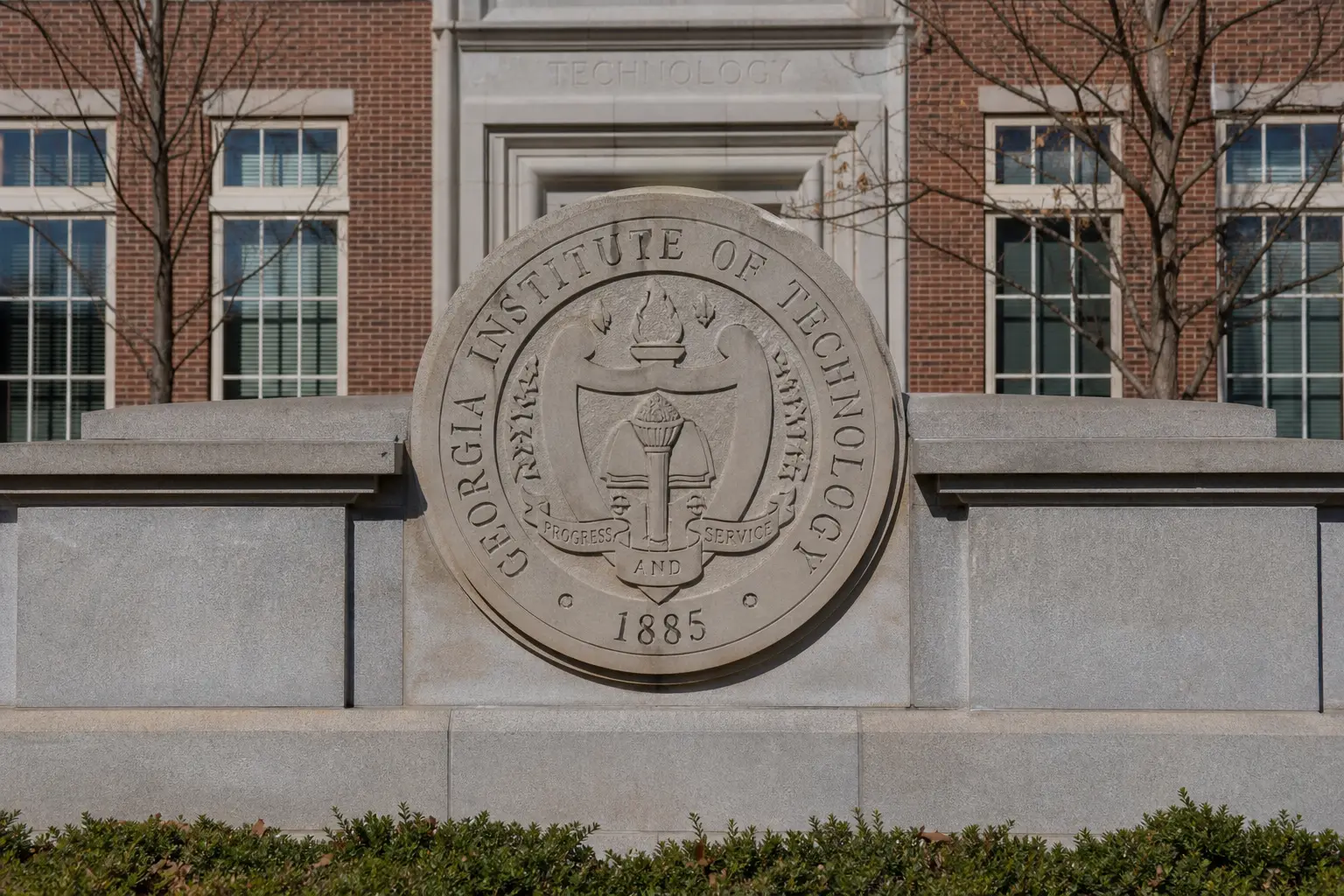
The U.S. Department of Energy has awarded Georgia Tech $7.5 million to lead a regional critical minerals consortium focused on the Atlantic Coastal Plain, extending Washington’s push to identify new domestic sources of materials used in batteries, defense systems, and advanced manufacturing.
The project, called Critical Minerals in the Atlantic Seaboard Plain, or CM-MAP, will map, characterize, and support potential recovery of critical minerals from sedimentary deposits and secondary feedstocks, including legacy mining residues, coal combustion byproducts, and other industrial waste streams. The award comes through DOE’s Office of Critical Minerals and Energy Innovation.
The funding is part of a broader $15 million DOE package for two regional consortia announced on June 3. The second award went to the University of Nevada, Reno for work in the Pacific Coast and Basin and Range regions.
Georgia Tech said CM-MAP will examine potential resources across the Atlantic Coastal Plain, with a focus on deposits including kaolin, bauxite, heavy mineral sands, and phosphates. The project also includes brownfield sampling and analysis of former industrial sites to determine mineral composition, rare earth characteristics, and the potential for extraction.
According to DOE-backed program descriptions, researchers plan to use statistical analysis and machine learning to predict where critical minerals may be concentrated and to help develop more efficient extraction methods.
The award is early-stage research funding rather than approval for a mine, processing plant, or commercial project. Still, it matters for investors because it adds federal backing to a part of the U.S. minerals chain that has drawn increasing attention as policymakers try to reduce reliance on imports.
DOE has said more than 95% of U.S. rare earth supply and more than half of most critical minerals come from foreign sources, with at least 14 critical minerals sourced entirely from abroad. That import exposure has pushed federal agencies to fund not only new mining prospects but also unconventional sources such as tailings, coal byproducts, and industrial residues.
CM-MAP builds on DOE’s earlier Carbon Ore, Rare Earth, and Critical Minerals initiative, which focused on coal and coal-related resources. The newer consortium format broadens that approach to regional mapping and feedstock assessment across a larger set of materials and waste streams.
For the market, the immediate impact is more about de-risking than supply. Mapping programs can identify where commercially relevant concentrations may exist near existing mining infrastructure, particularly in parts of the Southeast where kaolin and heavy mineral sands are already produced. If future data support viable extraction routes, that could eventually lower development timelines relative to greenfield projects.
The award also fits into a wider DOE spending wave. In May, DOE’s Office of Critical Minerals and Energy Innovation announced $45.7 million for 19 projects aimed at domestic supply chain gaps, including pilot-scale processing for magnesium and rare earth elements.
What remains unclear is which private-sector partners, if any, are tied to CM-MAP, along with the project’s detailed milestones, performance period, and any cost-sharing requirements. Georgia Tech’s public announcement did not identify corporate participants or specific state-level sampling targets. Until DOE releases fuller award documentation, any direct read-through to individual mining or processing companies remains uncertain.
Even so, the signal is clear. DOE is putting money behind the idea that future U.S. critical mineral supply may come not only from new mines, but also from coastal sediments, mine waste, and industrial byproducts that have already been disturbed and, in some cases, sit near existing infrastructure.
Get trusted financial analysis, breaking market news, and expert commentary delivered directly to your inbox every morning.