
Business
Raytheon Wins $745 Million MDA Contract for SM-3 IIA Interceptors
Raytheon, an RTX business, won a $745 million Missile Defense Agency contract for SM-3 IIA interceptor production and sustainment through 2031.
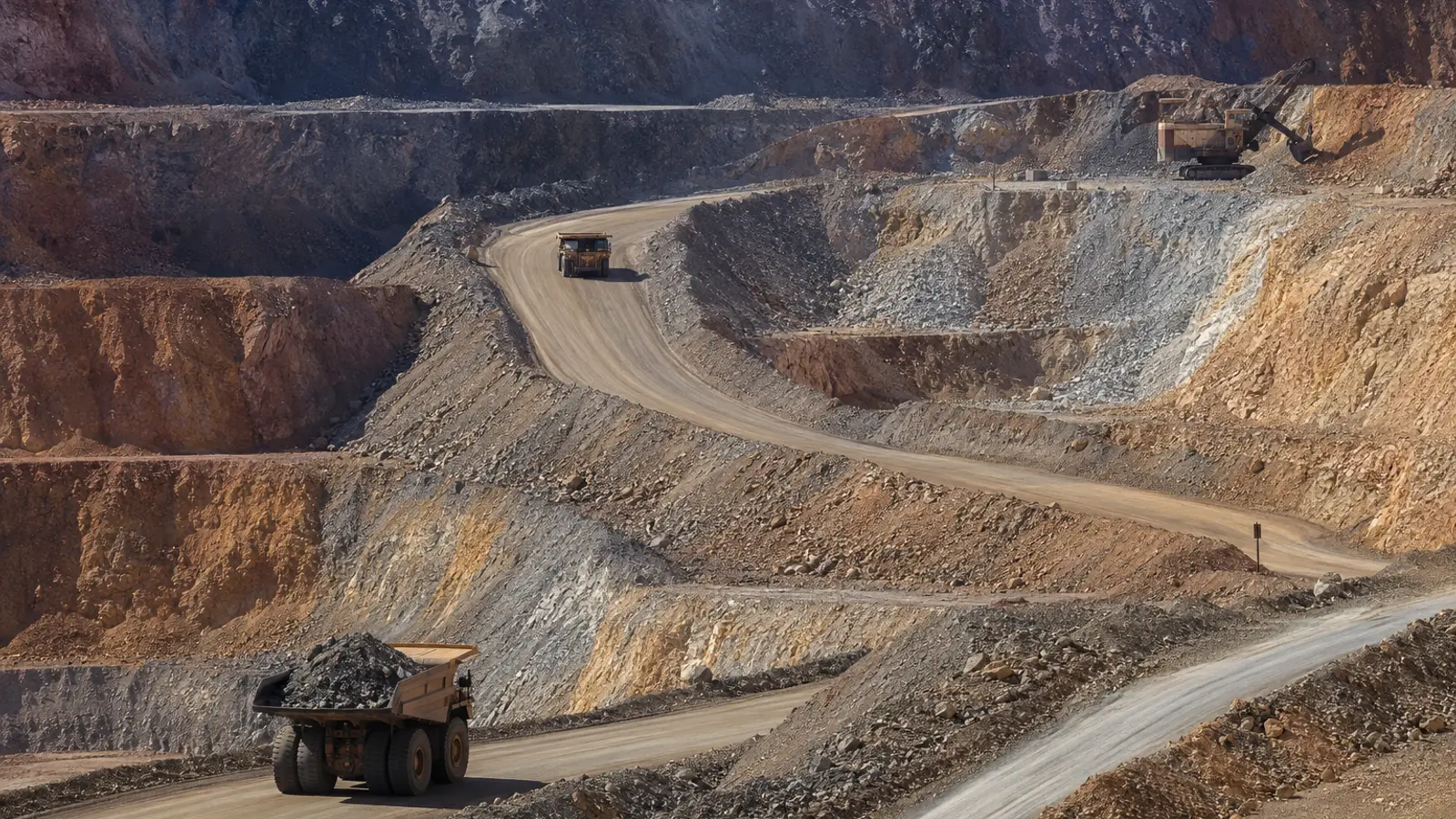
Copper and gold markets are trading on a narrow set of catalysts. Supply disruptions are tightening the copper outlook, while U.S. rate expectations and dollar moves are driving both metals, keeping prices elevated and volatility high.
Copper recently climbed to a record on the London Metal Exchange as traders responded to renewed mine supply concerns and improving sentiment around a possible easing in U.S.-China trade tensions. The benchmark contract rose as high as $11,200 a metric ton, above the previous record of $11,104.50 set in May 2024, and was up more than 27% for the year at that point.
The supply backdrop has become more constrained. Reuters reported that Glencore plc (LSE: GLEN) cut its full-year copper production guidance after lower output in the first nine months of 2025. Anglo American had earlier reported weaker copper production as well. Those downgrades added to a market already focused on disruptions at Grasberg in Indonesia, one of the world’s largest copper mines.
Goldman Sachs has cut its global copper mine supply forecasts for 2025 and 2026 after the Grasberg disruption. The bank estimates a total loss of 525,000 metric tons of mine supply, including a 160,000-ton reduction to its supply estimate for the second half of 2025 and a 200,000-ton cut for 2026. It now expects the 2025 global copper balance to move from a projected surplus of 105,000 tons to a deficit of 55,500 tons.
Citi also reduced its Grasberg assumptions and now expects global copper mine supply growth of 0.1% in 2025 and 1.3% in 2026, down from earlier forecasts of 0.4% and 1.8%. The bank projects a copper market deficit of about 400,000 tons in 2026.
Not all analysts agree on how durable the rally will be. Panmure Liberum has forecast a small copper surplus next year and said the latest move could run ahead of underlying demand if no new price catalyst emerges. That leaves the market balancing visible supply losses against a less certain demand picture.
Gold is moving on a related, but more policy-sensitive, set of drivers. Reuters reported that gold had gained 52% year to date before pulling back about 8% from a record high of $4,381.21 an ounce reached on October 20. The metal remains highly responsive to changes in real yields, the dollar and expectations for Federal Reserve policy.
According to Reuters reporting on Goldman Sachs research, copper and gold are expected to see the largest immediate upside in commodities from potential Fed rate cuts. Lower rates and a weaker dollar tend to support both bullion and industrial metals, particularly when investors are also watching inflation risks and stimulus expectations in China.
That same policy channel can quickly reverse. Earlier Reuters coverage of a broad commodities selloff showed how margin hikes and macro surprises can overwhelm supportive fundamentals. In that episode, gold fell 9% in a session, silver dropped 27%, and LME copper lost nearly 5%.
For investors, the near-term read-through is straightforward. Tight supply and higher metals prices can improve margins and cash flow for producers with low operating costs and near-term volume growth. But the same setup also leaves the sector exposed to abrupt reversals if Fed expectations change, the dollar strengthens, or speculative positioning unwinds.
Get trusted financial analysis, breaking market news, and expert commentary delivered directly to your inbox every morning.