Business
Raytheon Wins $745 Million MDA Contract for SM-3 IIA Interceptors
Raytheon, an RTX business, won a $745 million Missile Defense Agency contract for SM-3 IIA interceptor production and sustainment through 2031.
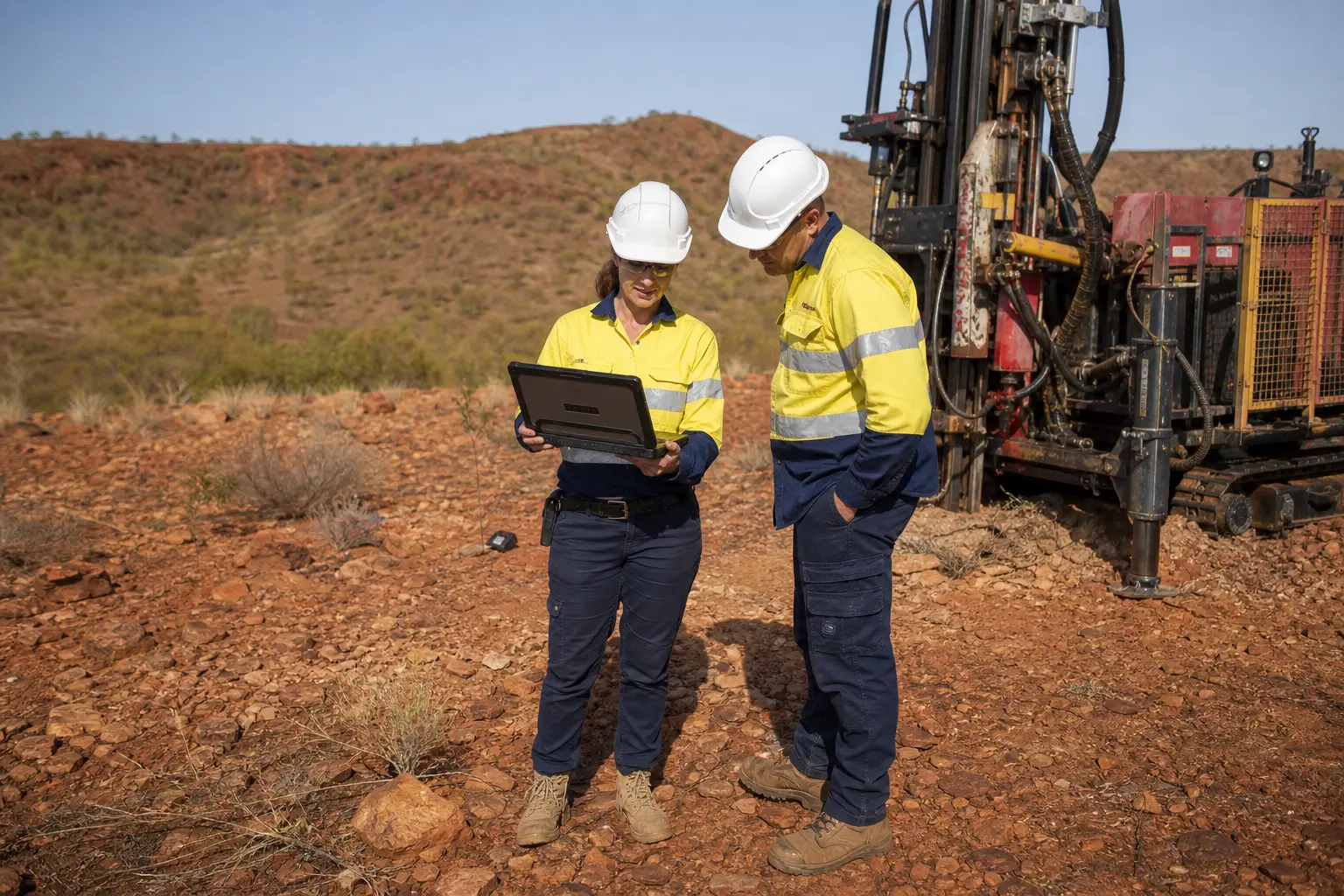
Canada said on July 9 it will provide C$6.7 million to two mining-technology projects led by Novamera and Koonkie Canada, tying federal industrial policy more closely to AI-enabled extraction and mine restoration.
Industry Minister Mélanie Joly announced the funding in Sudbury, Ontario, saying the projects aim to improve precision in critical-minerals mining and strengthen ecological restoration monitoring at mine sites. The two projects carry a combined value of C$19.8 million and are backed through Canada's Digital Technology Cluster, known as DIGITAL.
The larger award goes to Oakville-based Novamera, which will receive C$3.8 million toward a C$10.9 million project to advance its Surgical Mining technology. Ottawa said the system combines subsurface imaging, artificial intelligence, robotics and conventional drilling to access mineralized zones with greater precision. The technology targets deposits containing critical minerals such as copper and rare earth elements.
Vancouver-based Koonkie Canada will receive C$2.9 million toward an C$8.9 million project to develop an AI platform for ecological restoration and biodiversity monitoring at mine sites. The platform will integrate environmental DNA analysis, soil health data, remote sensing and Indigenous ecological knowledge, according to the federal announcement.
Project partners expect Koonkie's system could shorten restoration timelines by five to 10 years and cut restoration costs by up to 40% versus older methods. Those figures are partner expectations, not demonstrated commercial results.
The federal government said the two projects together could create as many as 35 jobs and maintain as many as 37 more. Ottawa framed the investment as part of a wider effort to move Canadian industrial technologies from development into operating environments while reinforcing domestic critical-minerals supply chains.
The two recipients appear to be privately held. For the sector, Novamera's policy support points to continued public backing for technologies that may improve the economics of narrow, irregular or otherwise difficult deposits. For operators in copper, rare earths and other critical minerals, greater precision in extraction could eventually reduce dilution and waste, though commercial deployment at scale remains unproven.
Koonkie's project addresses another cost center for miners: reclamation and closure. If AI-based restoration monitoring reduces timelines and costs as expected, it could affect mine closure planning, environmental compliance and long-term liability assumptions. That would matter for listed miners facing tighter scrutiny on permitting, rehabilitation and Indigenous engagement.
The funding extends a pattern of federal support for DIGITAL-backed mining technologies. Ottawa said it has co-invested more than C$3 billion alongside industry through the Global Innovation Clusters program.
The near-term financial impact on public mining companies is indirect. Neither Novamera nor Koonkie has a confirmed public listing in the available government and company materials. Public miners and juniors working with similar technologies, or partnering with these developers, could eventually use federally backed tools to improve project design, operating efficiency or restoration outcomes. Whether that translates into broad adoption will depend on field validation and commercial performance.
Get trusted financial analysis, breaking market news, and expert commentary delivered directly to your inbox every morning.