
Business
Raytheon Wins $745 Million MDA Contract for SM-3 IIA Interceptors
Raytheon, an RTX business, won a $745 million Missile Defense Agency contract for SM-3 IIA interceptor production and sustainment through 2031.
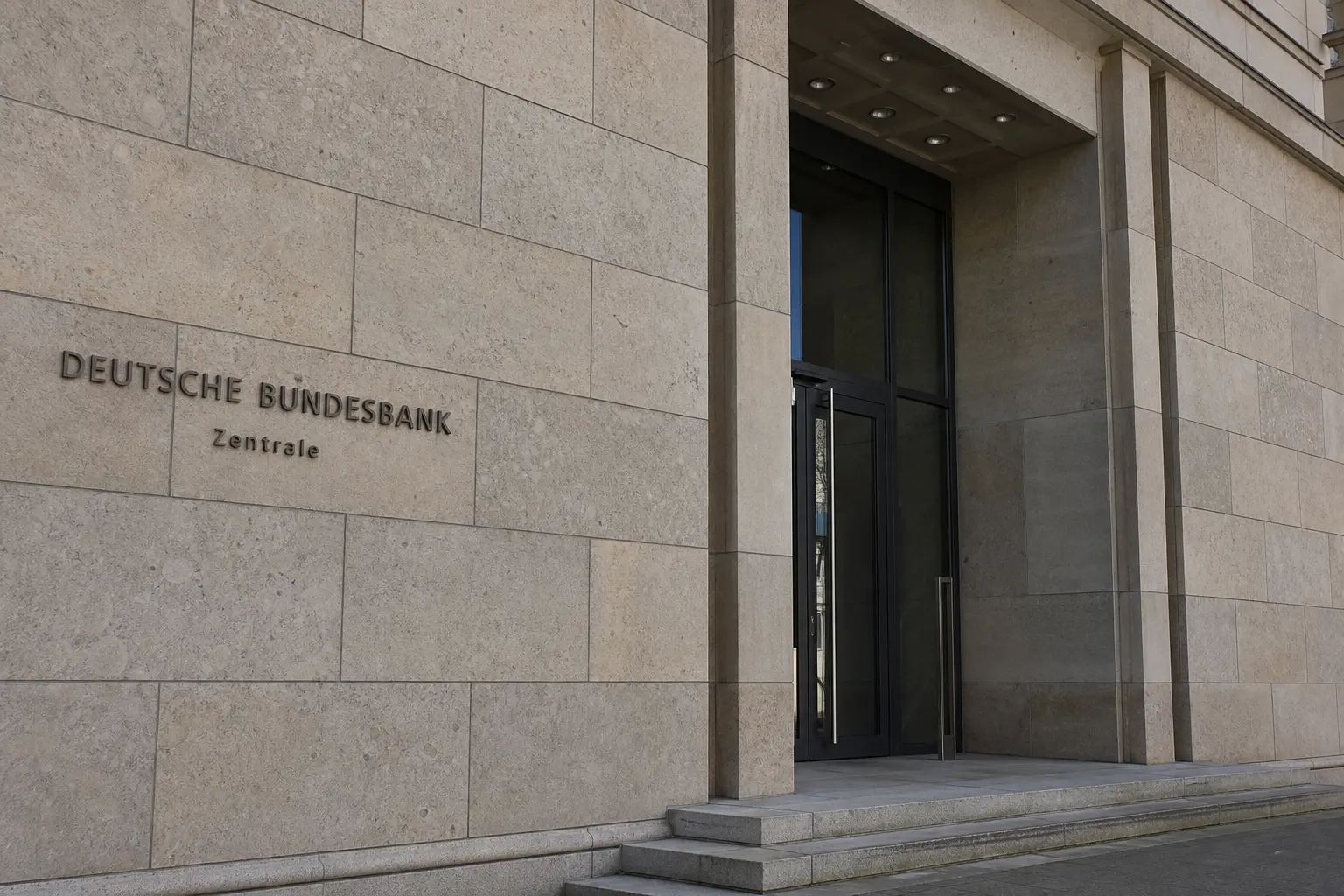
Germany’s statutory basic rate of interest rose to 1.52% on July 1, from 1.27% previously, after the Bundesbank reset the benchmark under section 247 of the German Civil Code. The move matters because the rate is used as the legal reference point for default-interest calculations, affecting late-payment charges in contracts, receivables and other credit relationships governed by German law.
The Bundesbank said the new rate took effect on July 1 and would be published in the Federal Gazette the same day. Under German law, the basic rate is adjusted twice a year, on January 1 and July 1.
For the latest reset, the Bundesbank referenced the European Central Bank’s most recent main refinancing operation before the adjustment date, citing the ECB’s June 30 rate of 2.40%. The statutory basic rate is not itself a policy rate or a market lending benchmark, but it moves in response to that ECB reference.
The 25-basis-point increase is modest in absolute terms. Still, it raises the statutory floor used in calculating interest on overdue claims. In consumer transactions, default interest is generally set at five percentage points above the base rate. In many commercial transactions, the surcharge is nine percentage points above the base rate. That means the July increase feeds directly into the cost of late payment where German civil law applies.
For companies, the change is most relevant in working-capital management and claims enforcement rather than day-to-day loan pricing. Corporate treasury teams, lenders and trade creditors may see slightly higher interest accruals on overdue receivables. Borrowers and customers that fall into arrears face correspondingly higher penalty costs.
The effect is likely to be most visible for businesses with meaningful invoice exposure, including suppliers, utilities and small and medium-sized enterprises that rely heavily on trade credit. It can also matter in dispute settlements and court claims where statutory default interest is applied.
The Bundesbank’s announcement does not point to any direct impact on listed companies, and no public issuer was singled out in the rate notice. The benchmark is a domestic legal reference rate rather than an investable market indicator. Even so, it can influence cash collection assumptions and the economics of delayed payments across German-law contracts.
The move marks an increase from the level held since January 1, 2026. The Bundesbank had previously reduced the rate to 1.27% effective July 1, 2025, and kept it unchanged at the start of 2026 before the latest adjustment.
For investors and credit analysts, the change is a reminder that higher euro-area policy settings can still flow through to legal and contractual benchmarks even when the direct market effect appears limited. In Germany, that transmission is clearest in the pricing of arrears, default clauses and receivables enforcement, where the statutory base rate serves as a fixed reference across a wide range of civil-law obligations.
Get trusted financial analysis, breaking market news, and expert commentary delivered directly to your inbox every morning.