Business
Raytheon Wins $745 Million MDA Contract for SM-3 IIA Interceptors
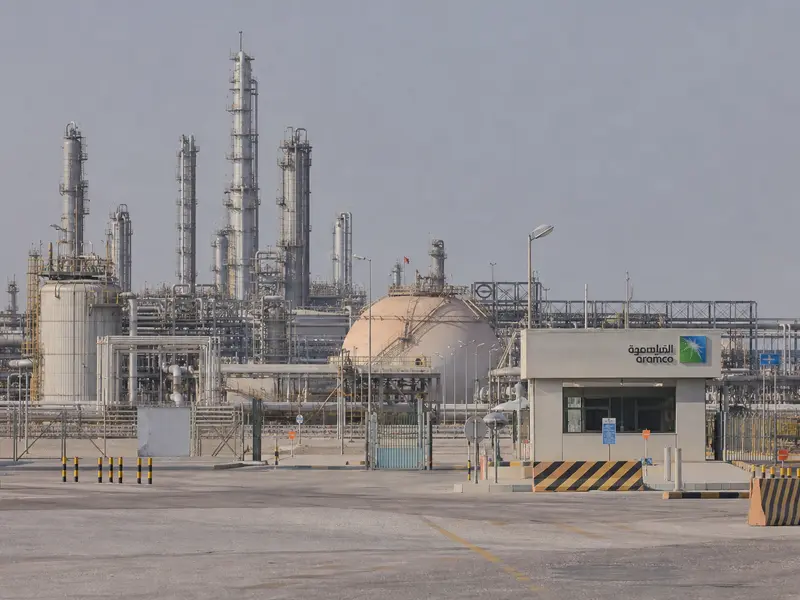
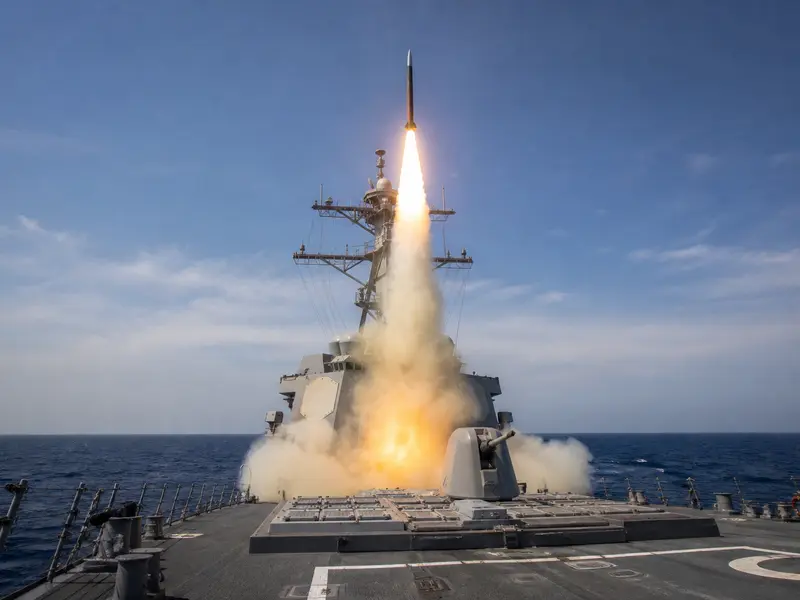
Raytheon, an RTX business, won a $745 million Missile Defense Agency contract for SM-3 IIA interceptor production and sustainment through 2031.
Brent crude climbed to a more than five-month high on Friday as intensified Houthi attacks in Saudi Arabia and concern over wider Middle East escalation drove a fresh risk premium into the oil market.
Brent futures touched $114.72 a barrel, the highest since May 4, before trading at $113.96 at 0810 GMT, up 79 cents, or 0.7%. The move capped a volatile week as traders weighed the threat of disruption to crude output, infrastructure and exports from a region central to global oil supply.
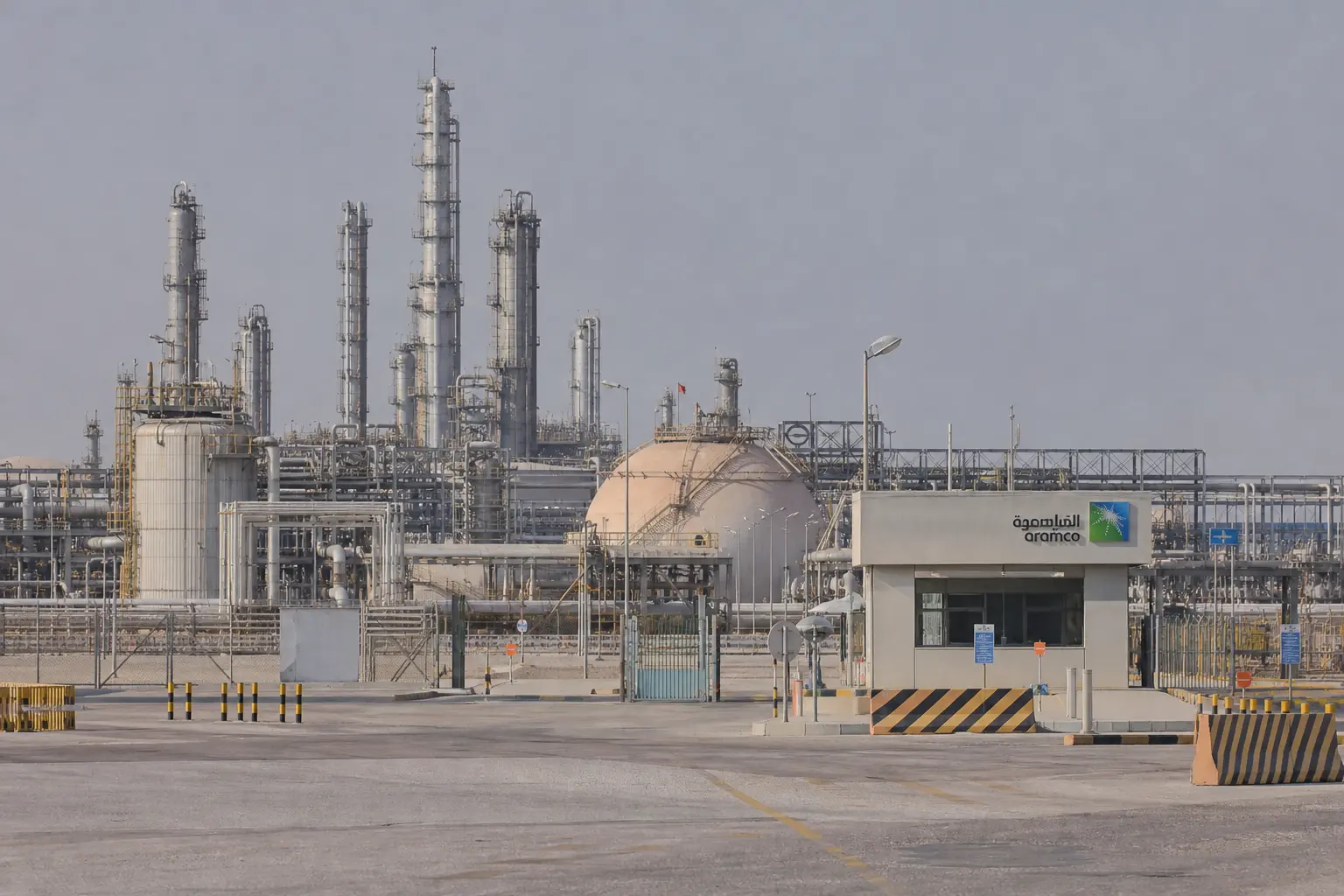
The immediate catalyst was a new wave of Houthi attacks on Saudi targets. Reuters reported that Saudi Aramco ordered the evacuation of its headquarters in Dhahran on Thursday after attacks linked to the Yemen-based group. A strike on the Dhahran complex caused a fire that spread across several floors, Reuters said earlier, citing people with knowledge of the matter.
The Houthis said they had launched ballistic missiles, cruise missiles and drones at Aramco facilities in Dhahran, Riyadh airport and an Aramco refinery in Riyadh. Saudi officials said Aramco operations were continuing normally, with employees working from home, according to Reuters.
The Dhahran complex houses a major Aramco operations center that oversees onshore and offshore oil rigs, pipelines, refineries and export terminals. The Houthis have threatened further attacks on Saudi airports and oil facilities, widening concern that the strikes could begin to interfere with energy logistics rather than stay a matter of headline risk.
The market was also reacting to the prospect of escalation involving Iran, though available reporting does not establish any confirmed decision or timetable for renewed strikes. Traders have treated that possibility as another source of supply risk rather than an established event.
Giovanni Staunovo, an analyst at UBS, said the market remained concerned about a potential escalation that, in a worst-case scenario, could trigger renewed supply disruptions. He said volatile oil flows and elevated freight rates had left the market undersupplied. In a separate note, he added that persistent attacks delaying deliveries would give elevated prices a firmer foundation.
Other analysts said the market was balancing resilient Gulf exports against mounting risks to shipping and infrastructure. Reuters reported that Gulf oil flows excluding Iran had risen in September to more than 81% of prewar levels. Saudi Arabia has also increased use of its East-West pipeline, with Energy Minister Prince Abdulaziz bin Salman saying earlier this month that throughput had reached 5.8 million barrels per day.
Still, attacks on vessels around the Strait of Hormuz and the campaign against Saudi targets have kept traders focused on vulnerability rather than current volumes. ING commodity strategists said the market was likely to remain nervous over potential supply disruptions. Tamas Varga of PVM said stronger Middle East export flows were being more than offset by attacks on ships and Saudi oil infrastructure.
For investors, oil is rising on fears of disruption rather than a verified production outage. No confirmed Saudi output loss, export terminal shutdown or refinery closure has been established in the available reporting. Even so, higher crude prices can feed through to fuel and transport costs, adding to inflation pressure and complicating the backdrop for central banks already watching energy closely.
Get trusted financial analysis, breaking market news, and expert commentary delivered directly to your inbox every morning.