Business
Raytheon Wins $745 Million MDA Contract for SM-3 IIA Interceptors
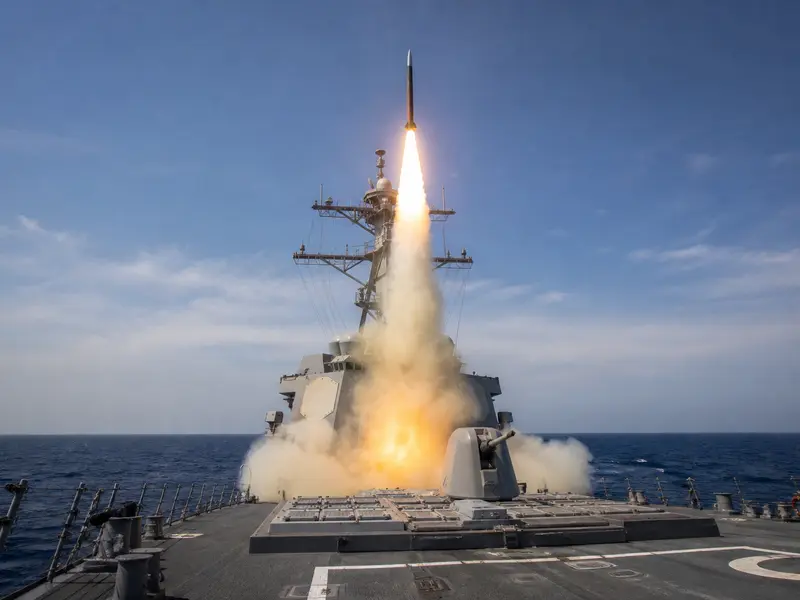
Raytheon, an RTX business, won a $745 million Missile Defense Agency contract for SM-3 IIA interceptor production and sustainment through 2031.
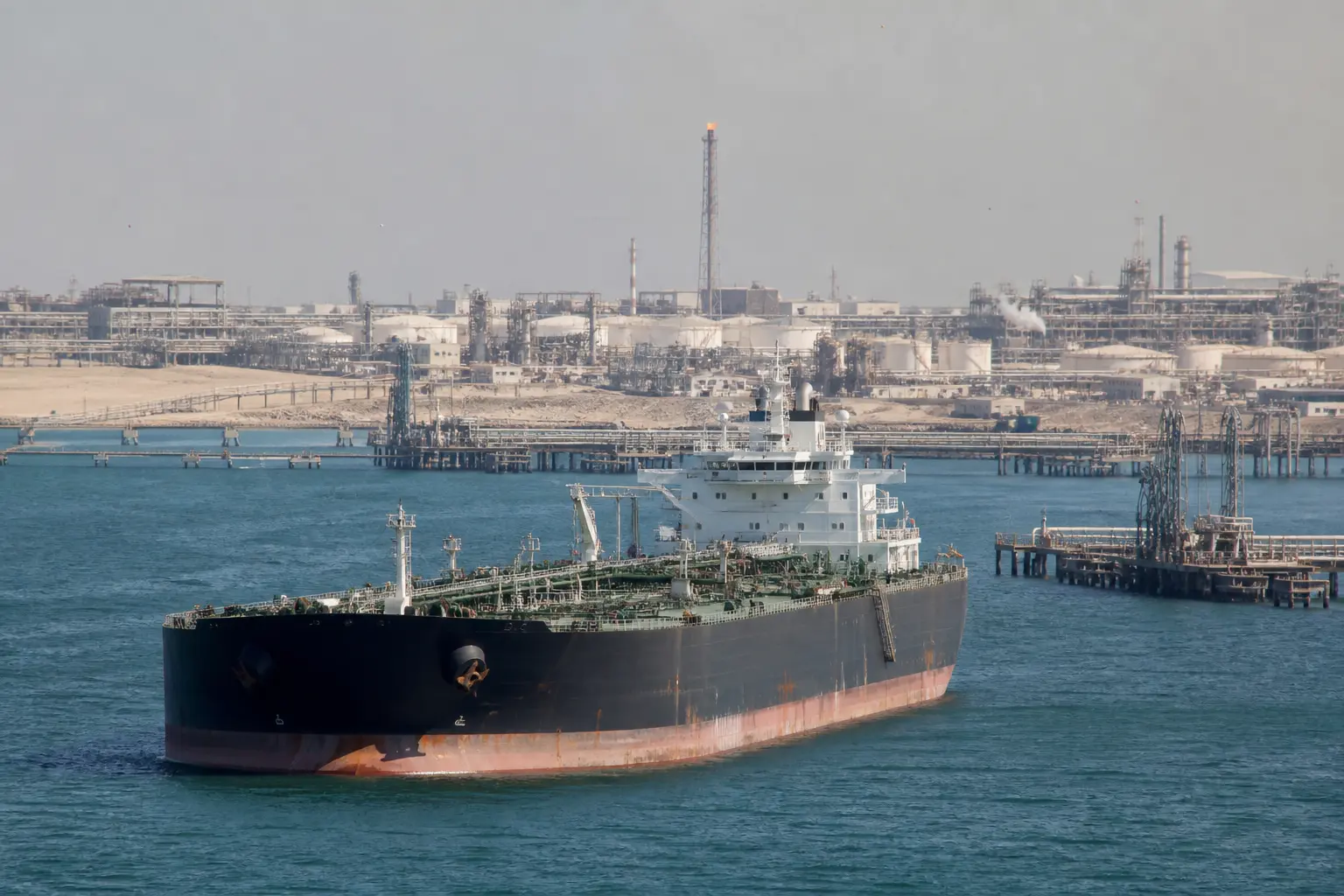
Brent crude rose above $110 a barrel on Tuesday to its highest level since May, as traders priced in reported attacks on Saudi energy infrastructure and commercial vessels in the Gulf. Sustained disruption to regional flows threatens to feed through to fuel, freight and industrial costs.
Brent futures touched $111.05 a barrel at one stage and were later quoted at $110.80, up $1.25, or 1.1%, by 0810 GMT. Earlier updates put the contract at $110.07 by 0628 GMT, after it reached $110.70 in the previous session. A later intraday quote showed Brent at $108.88 after a swing to $111.99, pointing to heavy volatility. The available reporting does not establish an official settlement price.
The immediate trigger was a fresh round of supply-risk concerns. Yemen's Iran-aligned Houthis said on Monday they had launched attacks against Saudi energy, airport and military targets, including an Aramco facility in Yanbu, the Shaybah oilfield, Riyadh's King Khalid International Airport and Abha airport. Saudi authorities did not immediately confirm the claims, and the reported attacks were not independently verified.
The risk extended to shipping lanes. Shipping-data firm Kpler said at least 18 vessels had reportedly been attacked over the preceding two weeks, and separate reporting citing Kpler put confirmed incidents involving commercial vessels at a minimum of 10 in the prior week. Another Kpler estimate said Gulf crude flows averaged about 8.5 million barrels per day over a seven-day period, down from more than 20 million bpd the week before. That figure was reported as an estimate rather than a confirmed measure of physical supply loss.
Tim Waterer, chief market analyst at KCM Trade, said traders remained more focused on the risk of further damage to Gulf energy infrastructure than on the prospect of extra Russian fuel reaching the market.
The Russian supply question has become a competing factor. Reporting on Friday said President Donald Trump had signed an executive order waiving key Russia-related sanctions and tariffs, including measures affecting purchases of Russian energy. Implementation remained unclear. Trump said he had not made a final decision, while Secretary of State Marco Rubio said officials wanted more time to evaluate the situation.
Looser restrictions raised the possibility of increased Russian diesel exports, which could ease some pressure in refined products. Shipping data cited in market reports showed at least two tankers signaling voyages to Turkey and Brazil. But uncertainty over the scope and duration of any waiver limited confidence that sustained Russian supply would offset Gulf disruption risk.
Russian crude production rose by 65,000 bpd in September to 8.43 million bpd, according to the International Energy Agency, though that was still about 870,000 bpd below the level a year earlier.
The price move now hinges on whether the tension turns into a real interruption to exports, shipping or refining. If Gulf infrastructure and transit routes hold, part of the risk premium could unwind quickly. If attacks intensify or flows fall further, higher crude and diesel prices could renew inflation pressure and strain transport, chemicals and other energy-intensive sectors.
Get trusted financial analysis, breaking market news, and expert commentary delivered directly to your inbox every morning.