Business
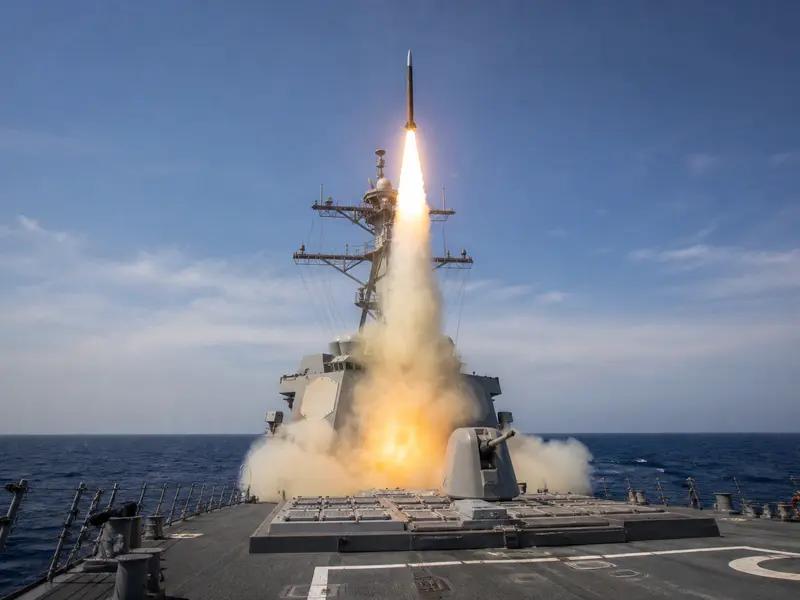
Raytheon Wins $745 Million MDA Contract for SM-3 IIA Interceptors
Raytheon, an RTX business, won a $745 million Missile Defense Agency contract for SM-3 IIA interceptor production and sustainment through 2031.
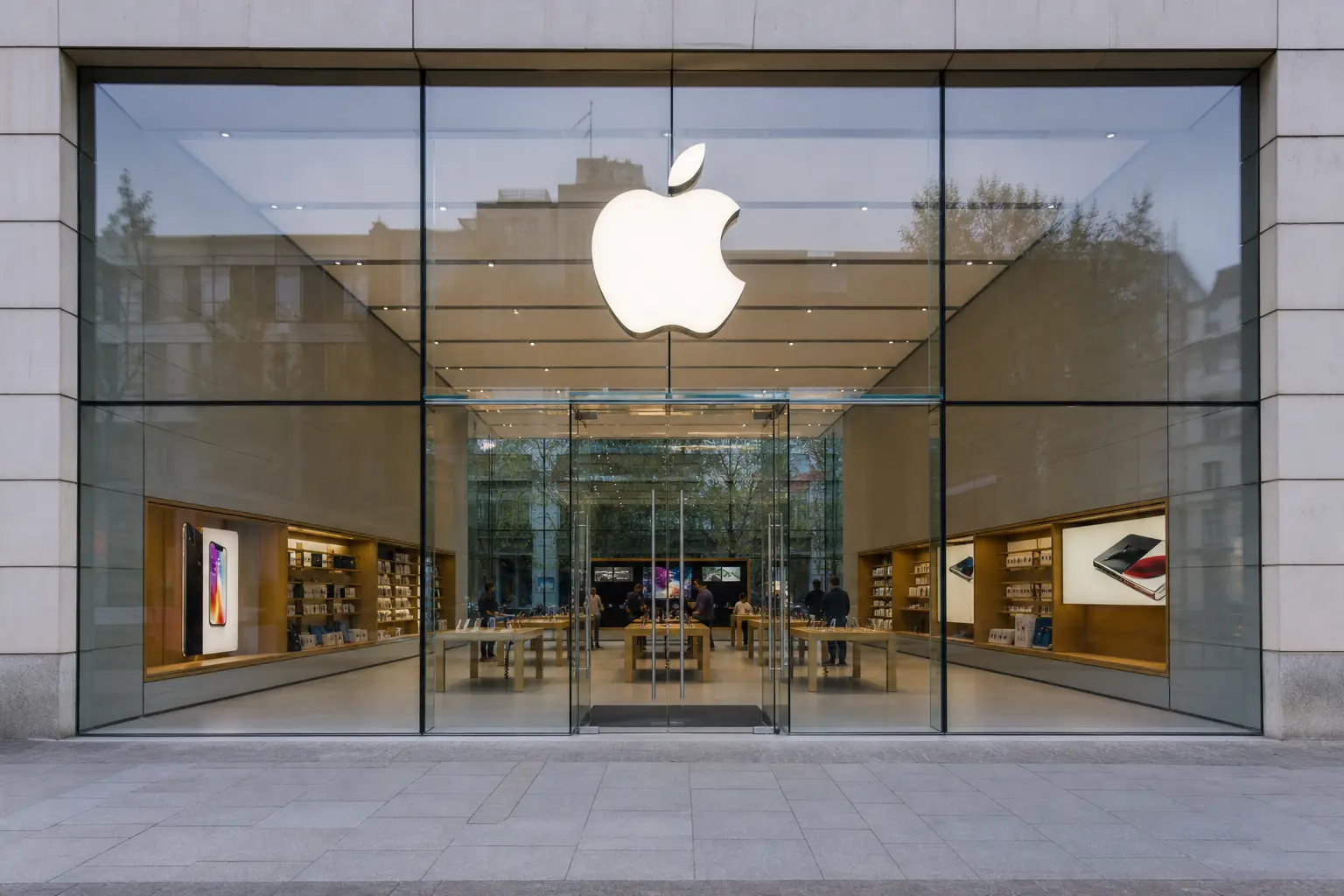
Apple (NASDAQ: AAPL) shares rose about 5% intraday after reports on the company's iPhone roadmap through 2027, its talks with Chinese memory suppliers and a reassessment of its ability to protect hardware margins through higher prices and a richer product mix.
The gain came even as markets digested a separate report that production of one upcoming iPhone model had been cut by 15%. Investors appeared to treat that as a near-term adjustment rather than a shift in Apple's earnings trajectory, with attention moving to longer-dated volume, pricing and supply-chain plans.
Reports citing people familiar with the matter said Apple plans at least five new iPhone models between the second half of this year and the first half of 2027. The lineup is said to include a foldable iPhone and at least two new models in early 2027, among them a standard iPhone 18 and an iPhone Air.
The same reports said Apple has asked suppliers to prepare to produce about 10 million foldable iPhones this year, up from an earlier forecast of 7 million to 8 million units. Apple has also reportedly secured components for about 80 million smartphones tied to models planned for the second half of 2026, with total smartphone production next year expected to exceed 220 million units. Apple has not confirmed those plans.
The roadmap points to a broader product range and a potential lift in average selling prices, particularly if foldables enter the lineup at the high end. IDC has estimated Apple's smartphone average selling price could rise 12% this year, helped by a richer mix and an expected foldable launch.
The rally also followed reports that Apple is in talks to buy memory chips from ChangXin Memory Technologies and Yangtze Memory Technologies for devices sold in China. Both firms are on a Pentagon list of companies alleged to support China's military, according to Bloomberg. The discussions are ongoing and no deal has been finalised.
A China sourcing arrangement could help Apple ease memory costs in one of its largest markets during a sharp industry supply crunch. It could also draw scrutiny in Washington, though current reporting indicates the Pentagon list does not itself bar private U.S. companies from doing business with those suppliers.
Apple's current major memory suppliers include Micron, SK Hynix and Samsung Electronics. Industry reporting has tied the shortage to producers directing more output toward higher-margin AI server memory, tightening supply for consumer devices.
That cost pressure was visible last month when Apple raised MacBook and iPad prices. The company said the consumer electronics industry faced an "unprecedented challenge" from a surge in memory and storage demand tied to AI data centers, adding that it had reached a point where it needed to begin raising prices on some products.
Apple shares fell more than 6% on the day of that announcement as investors weighed the risk of weaker demand. The latest rally suggests the market is now placing more weight on Apple's ability to pass through higher component costs, preserve margins and support revenue with a deeper iPhone pipeline.
The remaining uncertainty is execution. Apple has not confirmed the reported product timetable or foldable volumes, and any agreement with Chinese memory suppliers remains unresolved.
Get trusted financial analysis, breaking market news, and expert commentary delivered directly to your inbox every morning.